

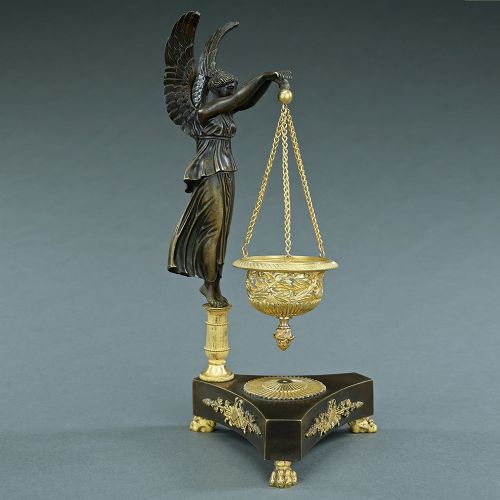
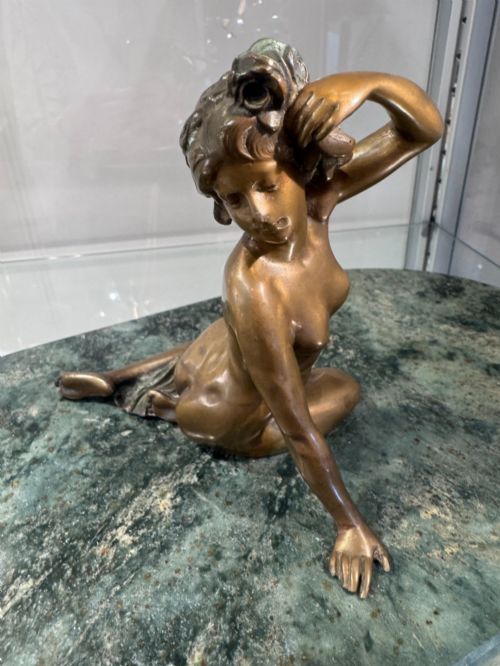
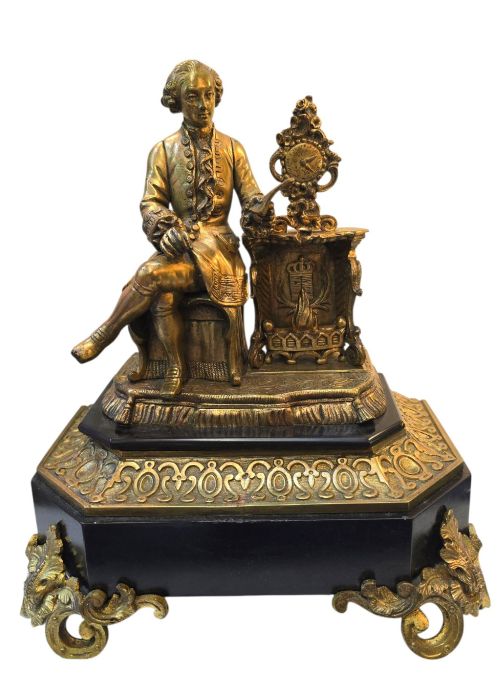
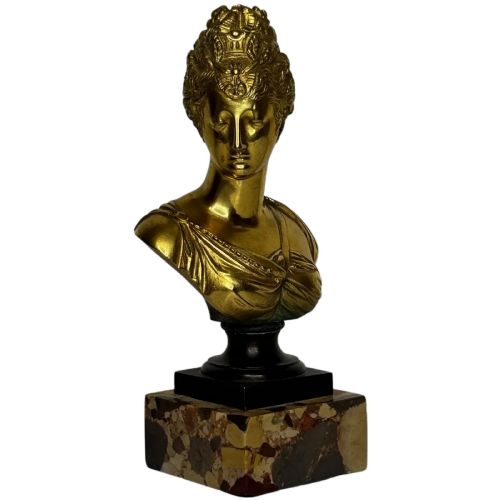

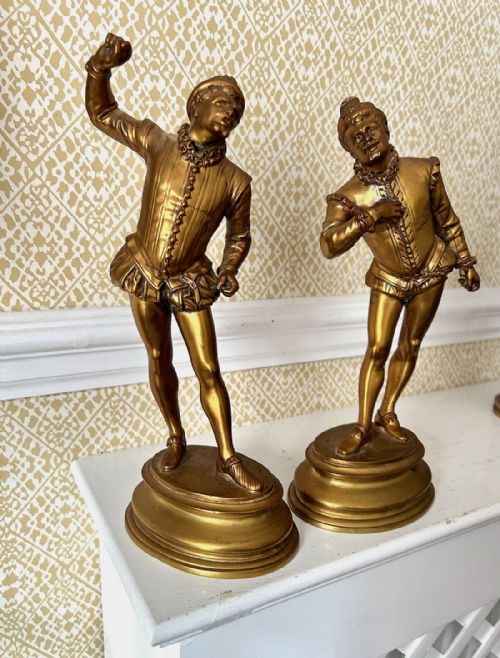


Gilt Metal Sculpture
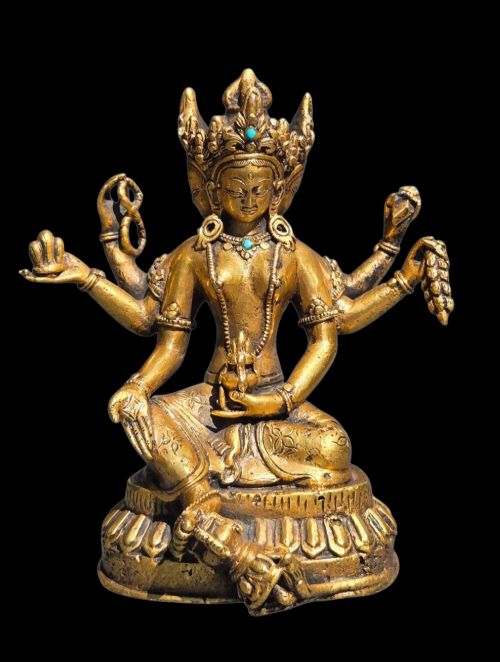
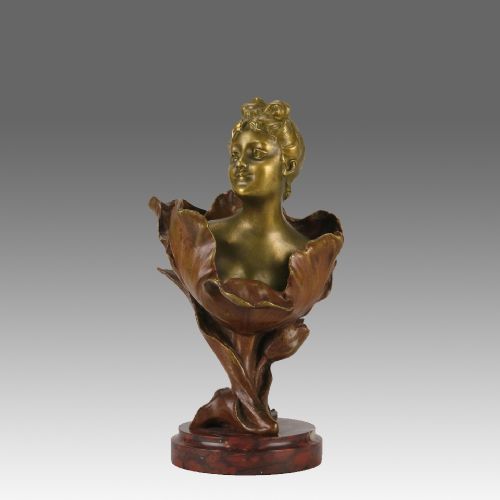
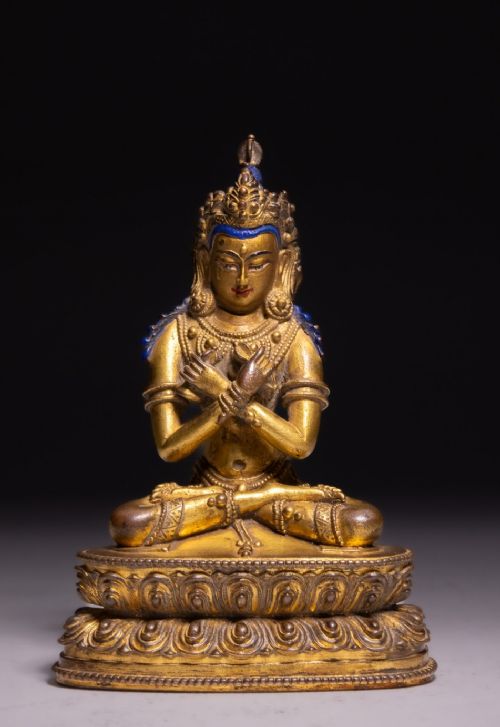
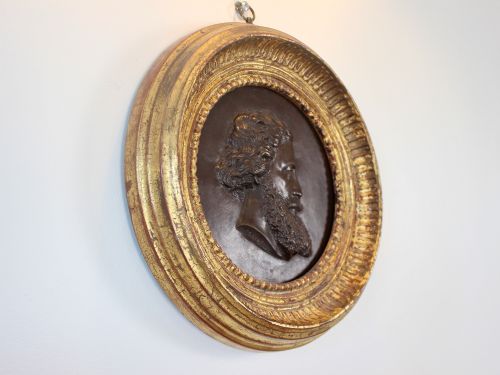
These pieces of gilt metal sculpture range from French Empire mantel clocks to Sino-Tibetan deities, offering a golden finish that catches any room's light.
Gilt Metal Sculpture
A gilt metal sculpture brings together cast metal forms and reflective golden surfaces, spanning periods from the 16th century to the 1930s. When you search for gilt metal sculpture, you meet works that cross cultural and stylistic boundaries, including French figures, Chinese buddhas, and Grand Tour souvenirs.
The objects take many forms, from statuettes and mantel clocks to portrait plaques, car mascots, and relief tableaux. Figures of women, animals, deities, and historical personages appear frequently in the available selection.
Origins vary widely between European workshops, notably French and Italian foundries, and Asian traditions such as Sino-Tibetan and Ayutthaya styles. Victorian, Art Nouveau, Art Deco, and Neoclassical periods all contribute distinct aesthetic approaches to the medium.
Materials and construction
Makers utilised bronze, brass, iron, and gilt metal as the primary foundational metals for casting. Ormolu and fire-gilding techniques applied thin layers of gold to the base metal, creating a durable and lustrous surface.
Secondary materials often complement the metalwork, including marble plinths, malachite, olive wood bases, and turquoise inlays. Casting methods ranged from traditional lost-wax processes to sand casting for larger or more industrial forms.
Gilt Metal Sculpture Retail Price Guide 2026
Typical asking prices for gilt metal sculpture among the pieces listed under this phrase on Sellingantiques today, from the lower quarter to the upper quarter. They describe what is for sale here now, not the wider market.
One cheerful piece depicts Winston Churchill as a V for Victory car mascot.
Distinctions in quality
The clarity of the chisel work and the depth of the chasing separate standard castings from finer productions. Master founders refined details by hand after casting, ensuring sharp facial expressions, drapery folds, and hair textures.
The preservation of the original mercury gilding or ormolu surface dictates visual richness. Pieces retaining their unrubbed golden tone display greater warmth than those with worn or later re-gilt finishes.
Pierre-Augustin Caron de Beaumarchais·Henri Godet·MAINFROY·Emile-Coriolan Guillemin·Leon Message·Jollet et Cie·Jennings Brothers·Jean Jacques Pradier·Barbedienne·Charlotte Monginot·Andre Guilmet·Jose Dunach·Charles Korschann
The Gilt Metal Sculpture Glossary
- Ormolu
- Gilded bronze, produced by applying a mercury and gold amalgam to a bronze object and heating it until the mercury vaporised. This French technique created a durable golden sheen.
- Lost-wax casting
- A method where a model is encased in wax, melted out, and replaced with molten metal. It allows for high intricate detail in sculptural pieces.
- Chasing
- The manual finishing of a metal casting using small hammers and punches. This process sharpens details and removes casting flaws.
- Patinated bronze
- Metal left to age naturally or treated with chemicals to produce a dark surface tone. Contrast between patinated areas and gilt highlights defines many 19th-century works.
- Grand Tour
- The 18th and 19th-century practice of travelling through Europe collecting classical art and souvenirs. Many small bronze sculptures originated as mementos of these journeys.
Gilt Metal Sculpture: Frequently Asked Questions
What is ormolu?
Ormolu refers to gilded bronze, created by applying a mixture of mercury and gold to a cast bronze base before heating. The process leaves a rich, golden finish across decorative objects.
Makers used this technique extensively on French clocks, mounts, and sculptural figures during the 18th and 19th centuries.
How do I clean gilt metal?
Dust gilt metal surfaces gently with a soft, dry brush to prevent scratching the delicate gold layer. Avoid chemical cleaners or water, which can strip or discolour the historical finish.
Professional conservation advice should be sought if the metal requires deeper cleaning or restoration.
Where were these sculptures made?
These sculptures originate from diverse regions, including French, Italian, and American foundries. Asian pieces from Chinese and Sino-Tibetan workshops also form part of the tradition.
European pieces often reflect academic styles or Grand Tour influences, while Asian works generally serve religious or decorative roles.
How do I date a bronze figure?
Dating relies on examining the casting technique, the style of the base, and any signatures or foundry marks stamped into the metal. Patination and wear patterns also offer clues regarding the age of the piece.
Historical context, such as Art Nouveau or Art Deco design motifs, helps narrow the production period.