

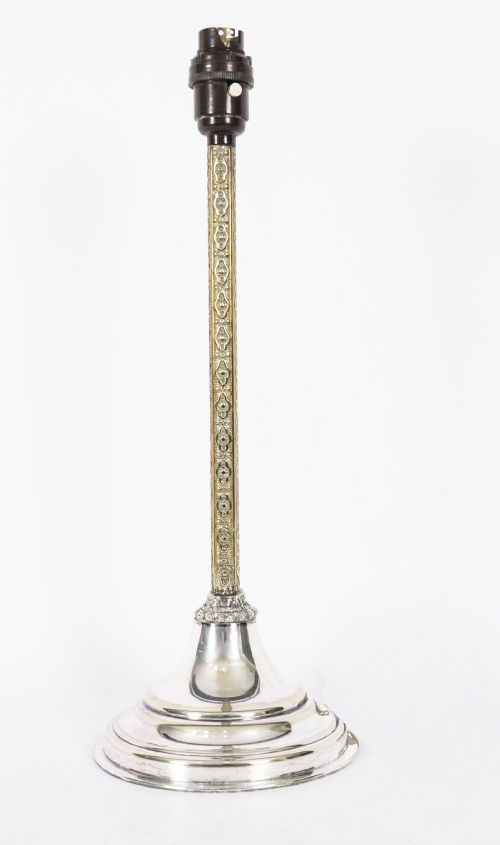
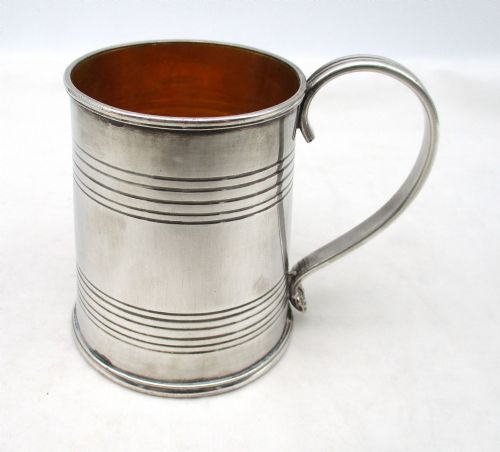
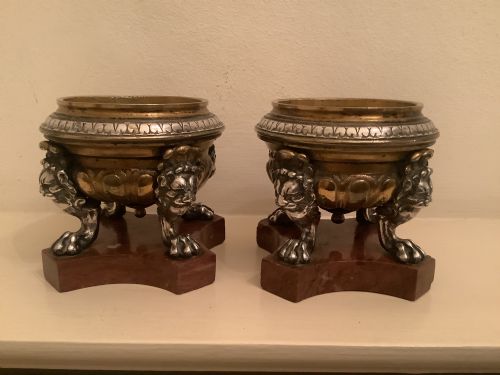
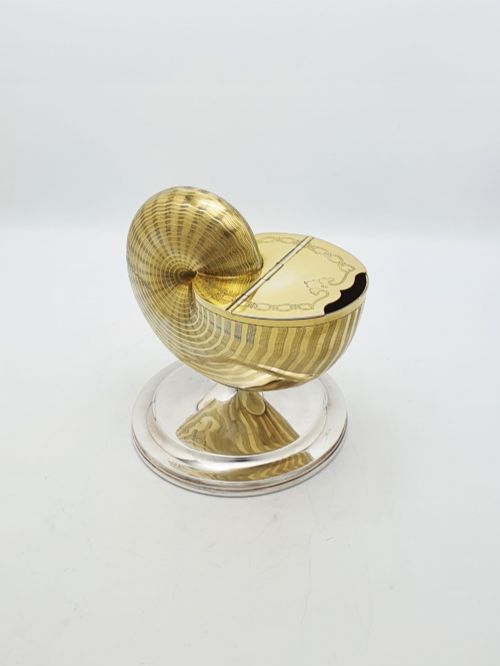
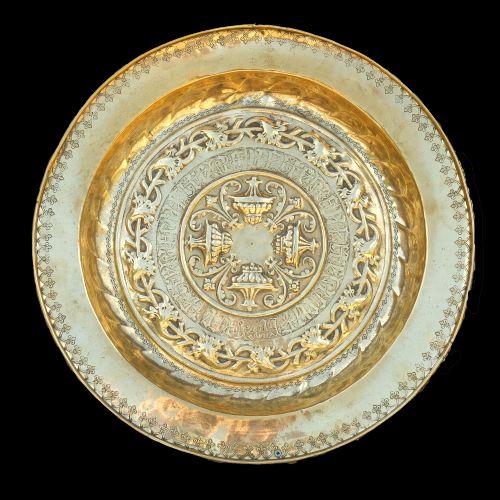


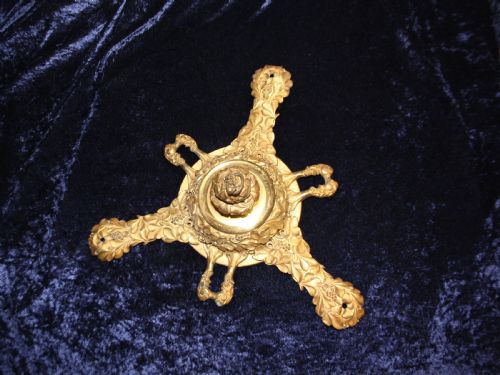
Gilt Metal Plate
These gilt metal plate items offer striking metallic presence and historical character for any interior scheme.
Gilt Metal Plate
A gilt metal plate brings together metallic craft and decorative utility across various historical periods.
You are likely to encounter pieces ranging from the sixteenth century to the early twentieth century on this page.
The selections span functional household items and decorative elements shaped by Victorian, Georgian, and Renaissance influences.
How they were made
Craftsmen utilised base materials such as brass, copper, and silver plate, applying gilding to create rich surface finishes.
Construction techniques involve working with metals alongside secondary elements like marble and wood to form sturdy decorative objects.
Gilt Metal Plate Retail Price Guide 2026
Typical asking prices for gilt metal plate among the pieces listed under this phrase on Sellingantiques today, from the lower quarter to the upper quarter. They describe what is for sale here now, not the wider market.
Listings feature items from the sixteenth century through to nineteen hundred, constructed in brass, copper, and silver plate.
What varies in quality
The refinement of surface chasing and the application of gold plating determine the visual depth of each example.
Integrity of form and the preservation of original metallic patination distinguish finer items from simpler production.
Mappin & Webb's
The Gilt Metal Plate Glossary
- Gilt metal
- Metal that has been treated with a thin layer of gold or gold-like material. This finish provides a bright decorative surface.
- Old Sheffield plate
- A composite material formed by fusing a layer of silver to a copper base. It is typical of Georgian and nineteenth-century manufacturing.
- Alms dish
- A large metal basin traditionally used for charitable collections or church offerings. Sixteenth-century examples often feature embossed religious motifs.
- Tazza
- A shallow bowl or cup raised on a stem and foot. These pieces served as decorative display items on formal tables.
Gilt Metal Plate: Frequently Asked Questions
What are gilt metal plates used for?
These metallic items serve primarily as decorative display pieces or historical table accents within a traditional interior setting.
Their polished surfaces catch the light, adding warmth and visual interest to a room without necessarily serving a utilitarian function.
How do I care for gilt metal?
Gentle dusting with a soft, dry cloth preserves the delicate surface gilding without causing abrasion or removing the finish.
Avoid chemical polishes or abrasive cleaners, which can strip away the historical plating and expose the underlying base metal.
How can I tell the period?
Examining the underlying manufacturing techniques, material composition, and stylistic motifs helps narrow down the date of production.
Renaissance pieces display distinct hammering and religious iconography, whereas nineteenth-century items often show machine-rolled plating methods.
Are these items purely decorative?
While many serve as ornamental centerpieces or wall dishes, some historical examples were designed for domestic utility.
Objects from earlier centuries often combined practical uses, such as holding offerings, with fine decorative craftsmanship.