


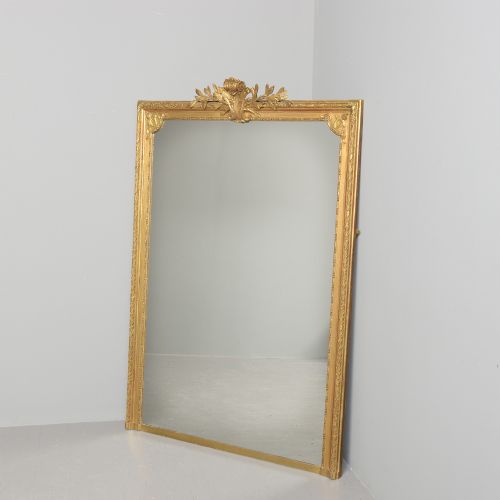
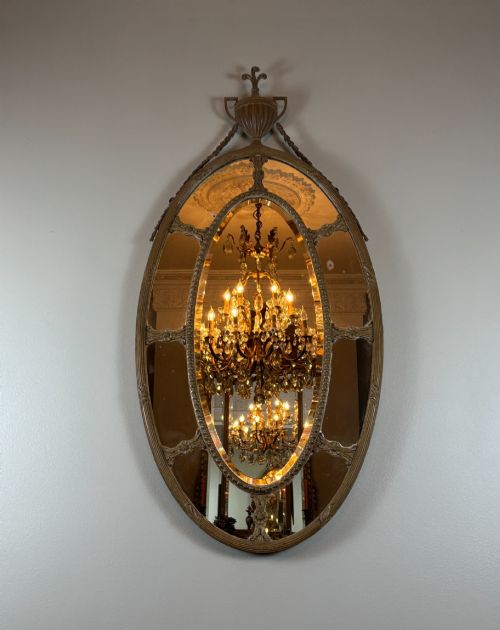
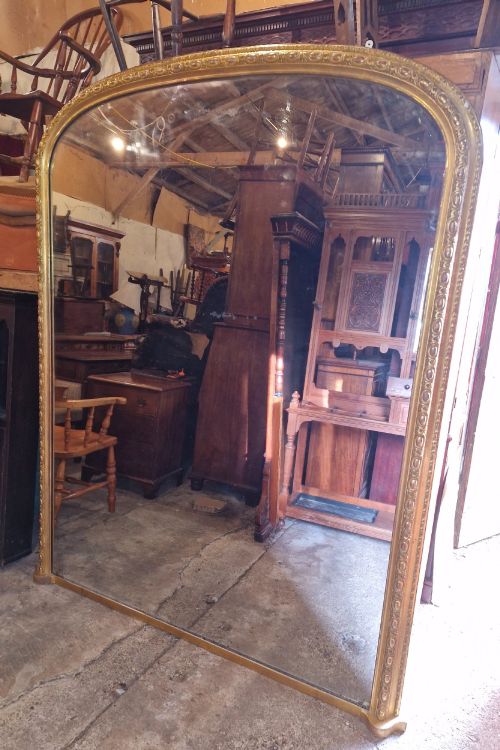
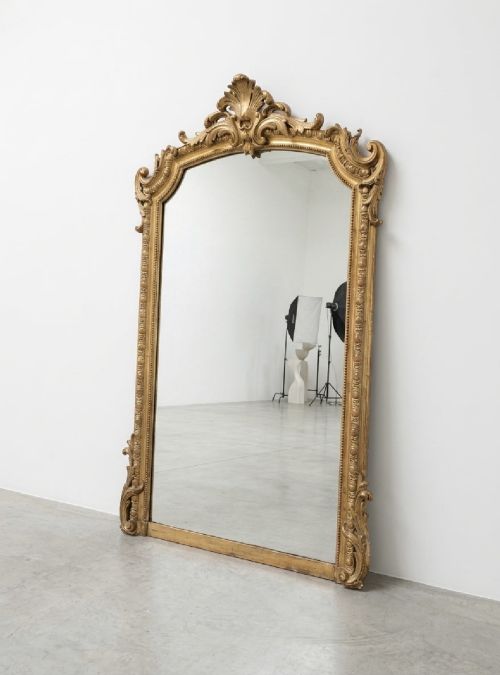

Gilt Gold Leaf Frame
A gilt gold leaf frame brings warmth and deep reflection to a room, holding mirrors and oil paintings alike through centuries of taste.
Gilt Gold Leaf Frame
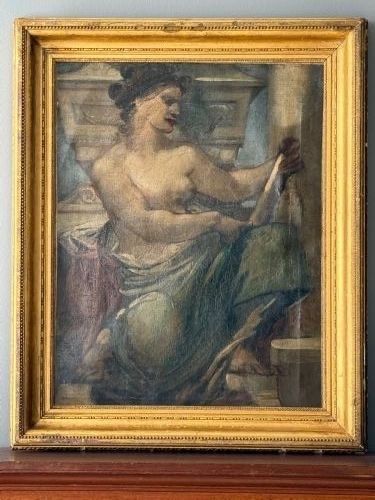
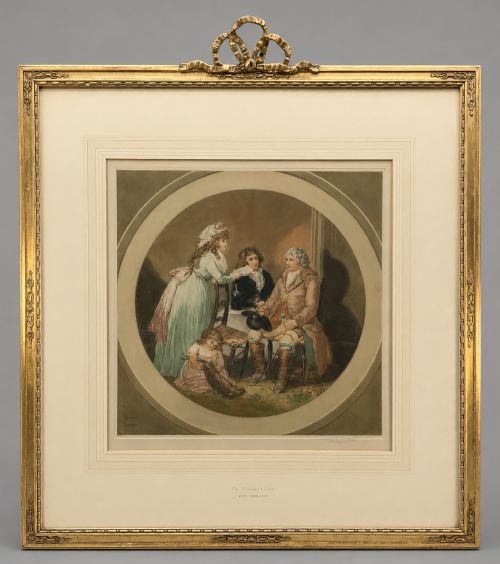
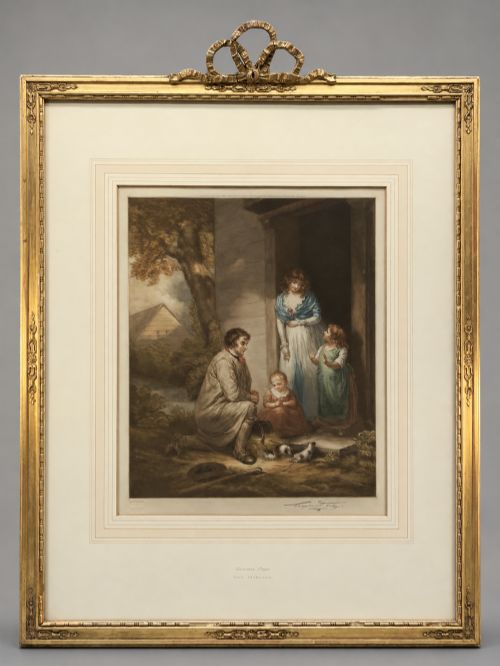
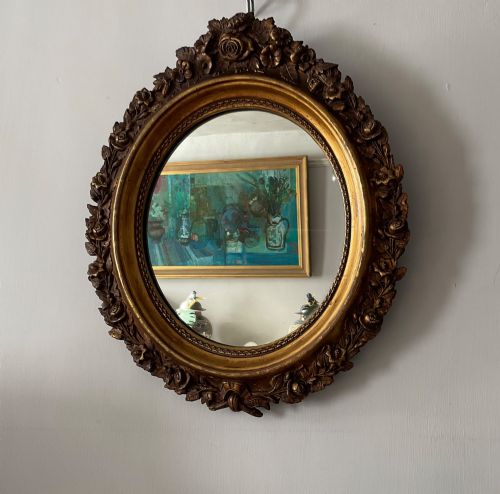
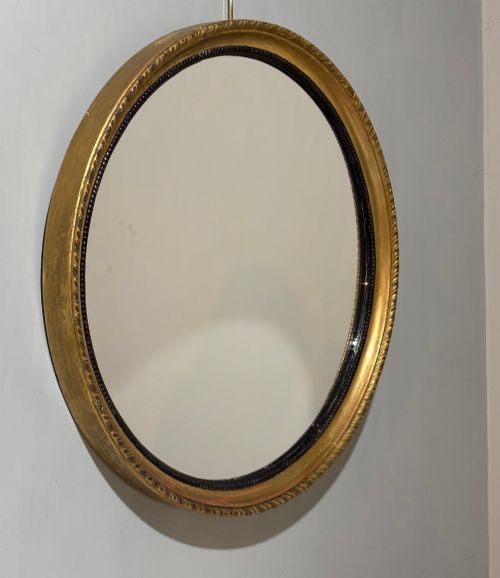
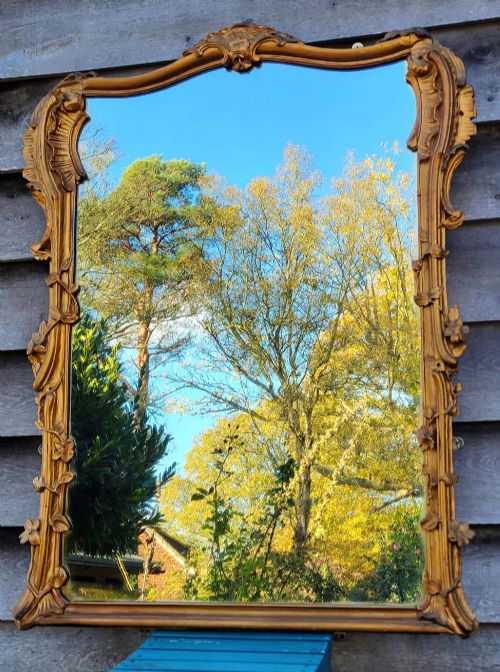
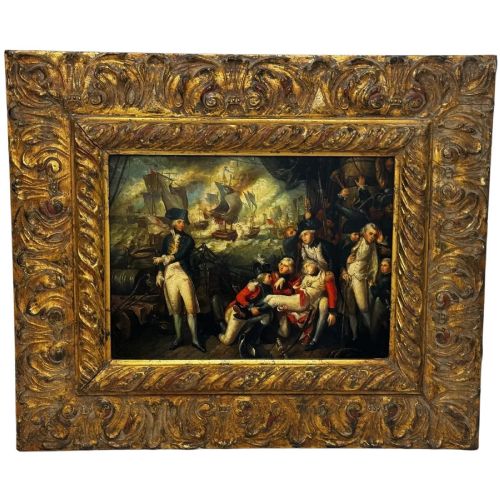
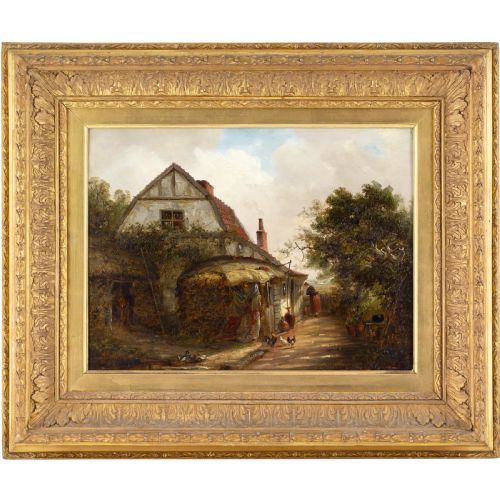
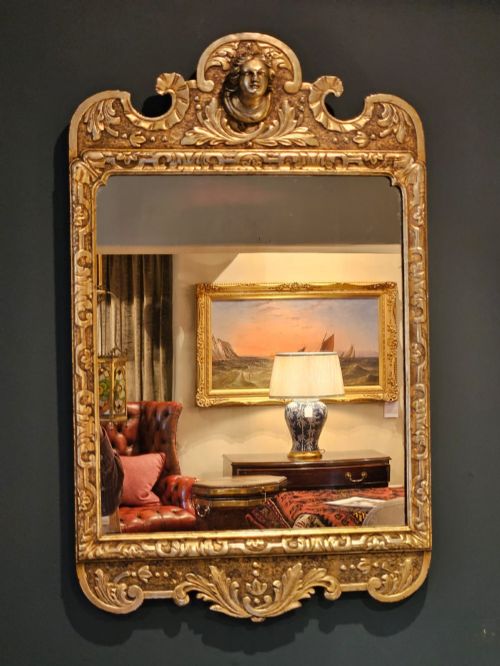
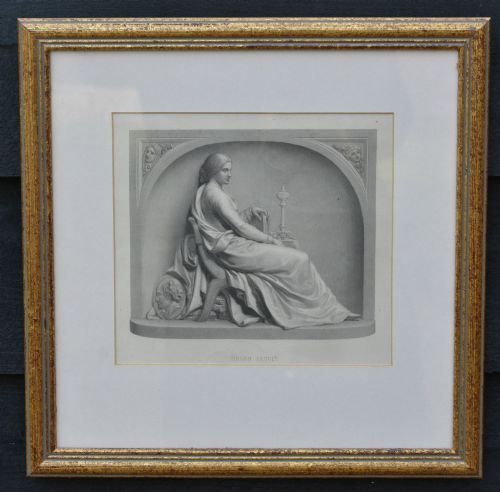
A gilt gold leaf frame primarily encloses wall mirrors, overmantel mirrors, and oil paintings originating from the seventeenth, eighteenth, and nineteenth centuries. These objects appear in styles ranging from Georgian and Regency to French Louis Philippe and Baroque.
Most examples found here take the form of large wall hanging mirrors or framed portraits, often carved from wood and finished with applied ornament. Buyers frequently encounter French and English domestic pieces designed to anchor a principal room.
The selection bridges decorative furnishings and fine art, uniting functional glass plates with historic canvases. Each piece relies on the interplay of reflective surfaces and gilded wooden mouldings to capture light within an interior.
How they were made
Carved wood provides the primary structural foundation for these frames, shaped from timber before receiving decorative layers. Artisans applied gesso over the wooden base to smooth the surface and prepare it for detailed moulding or carving.
Gold leaf and giltwood finishes were then applied by hand, creating the characteristic metallic sheen seen on these objects. Additional materials such as bevelled glass, mercury glass, and oil on canvas complete the construction of the mirrors and paintings held within.
Gilt Gold Leaf Frame Retail Price Guide 2026
Typical asking prices for gilt gold leaf frame among the pieces listed under this phrase on Sellingantiques today, from the lower quarter to the upper quarter. They describe what is for sale here now, not the wider market.
Listings span several centuries, incorporating seventeenth-century portraiture, eighteenth-century Georgian mirrors, and nineteenth-century French Louis Philippe designs.
What varies in quality
The precision and depth of the initial wood carving dictate the distinction between standard production and superior work. Crisp relief work in the gesso and woodwork preserves intricate details that shallower mouldings lose over time.
The application of the gold leaf layer and the preservation of the original gilt surface establish the visual authority of the piece. Authentic ageing in the materials, such as natural patination on the gilding and foxing on the glass plates, contributes to the integrity of the object.
Arsène Rochette of Versailles·Francis Lindo
The Gilt Gold Leaf Frame Glossary
- Giltwood
- Wood that has been covered with thin sheets of gold leaf or gold paint. This finish creates a luminous metallic surface characteristic of fine historic frames and mirrors.
- Gesso
- A plaster mixture applied to wood surfaces as a base for moulding and gilding. It allows craftsmen to carve intricate relief details before applying gold leaf.
- Overmantel mirror
- A large mirror specifically designed to hang above a fireplace mantel. These pieces frequently feature wide horizontal proportions and ornate framing.
- Mercury glass
- A type of double-walled glass blown in the nineteenth century with a silvering solution sealed inside. It produces a mottled, atmospheric reflection often termed foxing.
Gilt Gold Leaf Frame: Frequently Asked Questions
How do I hang a heavy overmantel mirror?
Heavy overmantel mirrors require secure attachment directly into wall studs using appropriate masonry or timber fixings. Due to the substantial weight of the wood and glass, professional installation is strongly advised.
Ensure the hanging wire or brackets distributed across the back are inspected for strength before mounting. The weight must be balanced evenly to prevent strain on the antique frame joints.
How should I clean a gold leaf frame?
Dust gold leaf surfaces gently using a soft, dry brush without applying moisture or chemical cleaning agents. Harsh liquids can strip the delicate metallic leaf and underlying gesso.
Professional conservators should handle any deep cleaning or restoration required on historic gilding. Regular light dusting is sufficient to maintain the surface safely.
What is foxed glass on a mirror?
Foxed glass refers to the natural oxidation and degradation of the silver backing over time. This process creates dark spots and soft patches across the reflective surface.
Collectors prize genuine foxing as an indicator of great age and authenticity in nineteenth-century mirrors. It softens the reflection and adds distinct historical character.
How do I date a giltwood frame?
Dating relies on examining the joinery, the composition of the gesso, and the style of the carved ornamentation. Georgian and Regency pieces display different decorative motifs compared to later Victorian or French Louis Philippe examples.
Backboards, fixings, and the manufacturing method of the glass plate also provide reliable clues to the exact period of origin.