


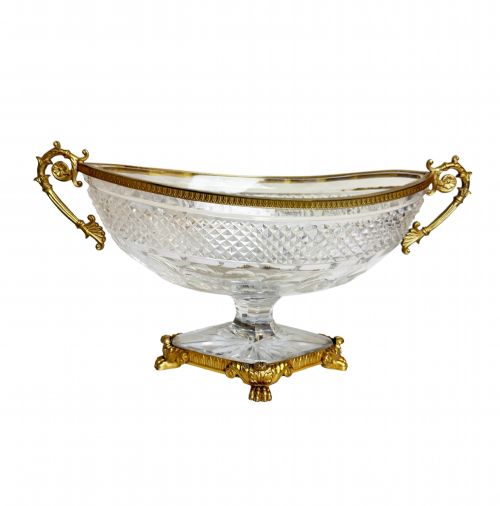


Gilt Glass Vessels
These gilt glass vessels combine luminous glass with brilliant metallic leaf and enamel, bringing historic craftsmanship and ornate display into a room.
Gilt Glass Vessels
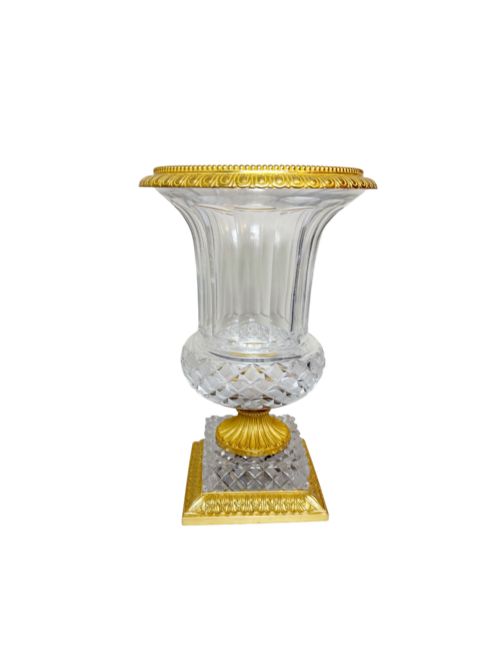
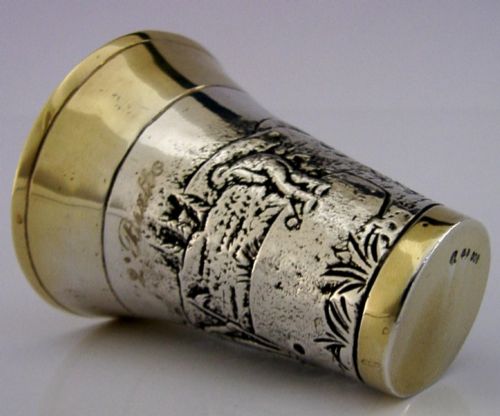
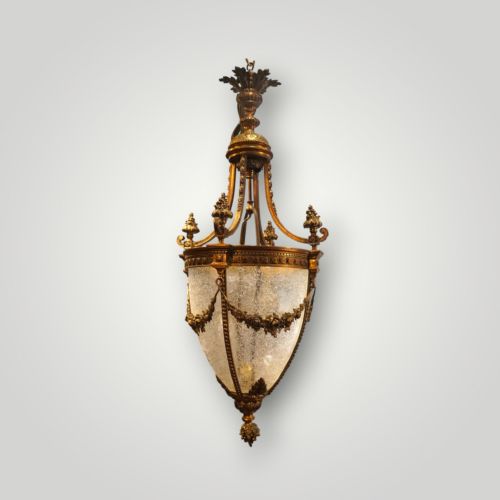
When you search for gilt glass vessels, you encounter a diverse array of decorative items spanning the nineteenth century and the turn of the twentieth century. The selection includes vases, decorative bowls, beakers, cups, tankards, centrepieces, hall lanterns, and jars produced in various European centres.
You are most likely to meet nineteenth-century Bohemian pieces alongside French crystal and ormolu mounts, Victorian opaque glass, and occasionally silver-mounted or enamelled works. These objects range from delicate painted tablewares to heavy bronze-cased ecclesiastical bottles and jardiniere stands.
The styles represented lean heavily towards historicism and revivalism, encompassing Victorian ornamentation, Rococo Revival, Louis XVI influences, Biedermeier simplicity, and French Belle Epoque sophistication. Each piece reflects the nineteenth-century appetite for richly decorated interior furnishings and display glassware.
How they were made
Makers utilised clear, white, crystal, or coloured glass bodies shaped through blowing, moulding, or cutting, sometimes employing multiple layered casings to achieve depth. Surface ornamentation was then applied by hand utilising gold leaf, parcel-gilt highlights, or liquid gilding.
Many items incorporate mixed media, combining the glass elements with gilt bronze mounts, ormolu stands, porcelain, and solid silver frameworks. Enamel work, hand painting, and fine engraving frequently accompany the gilding to create intricate pictorial or abstract panels across the vessel surfaces.
Gilt Glass Vessels Retail Price Guide 2026
Typical asking prices for gilt glass vessels among the pieces listed under this phrase on Sellingantiques today, from the lower quarter to the upper quarter. They describe what is for sale here now, not the wider market.
Listings for gilt glass vessels span the nineteenth century into the 1920s, featuring materials such as gold leaf, crystal, 800 silver, and gilt bronze.
What varies in quality
The standard of execution in the glass body and the refinement of the metal mounts determine the distinction between ordinary production and finer workshop output. Heavy crystal blanks, crisp hand-cut facets, and substantial bronze or silver mountings indicate greater initial cost and skilled labour.
The application and preservation of the gilding and enamel work also govern the merit of a piece. Finer examples display meticulously hand-chased metalwork, deeply etched or engraved glass details, and securely adhered gold leaf that has endured decades of handling without extensive loss.
The Gilt Glass Vessels Glossary
- Gilding
- The application of gold leaf or powder to the surface of glass or metal. It provides the characteristic metallic sheen seen on these decorative objects.
- Ormolu
- Gilded bronze used widely for mounts, handles, and stands in nineteenth-century decorative arts. It adds structural support and visual weight to fragile glass vessels.
- Cased glass
- Glass formed of two or more distinct layers of different colours or clarity. The outer layer is often cut away to reveal the contrasting colour beneath.
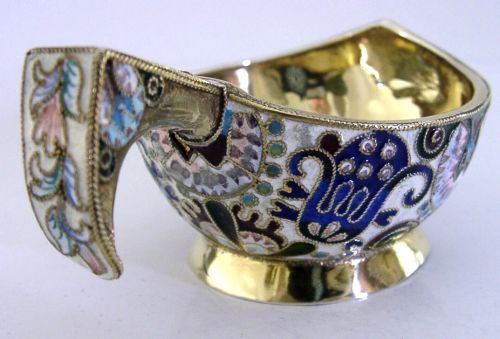
- Kovsh
- A traditional Russian boat-shaped vessel with a single handle, frequently rendered in precious metals with enamel and gilt decoration.
- Jardiniere
- An ornamental pot or stand designed to hold plants or flowers. In glass and gilt bronze, these pieces served as prominent centrepieces for dining tables.
Gilt Glass Vessels: Frequently Asked Questions
What are gilt glass vessels?
These items are decorative glass objects embellished with gold leaf, paint, or gilding, often paired with metal mounts like bronze or silver.
Produced largely during the nineteenth century across Europe, they served as ornamental tablewares, display pieces, and lighting fixtures.
How were they used?
Owners placed these vessels on mantelpieces, sideboards, and dining tables purely for ornamental display rather than heavy daily service.
Some specialised forms, such as centrepieces, jardiniere stands, and hall lanterns, functioned to hold flowers or illuminate grand hallways.
How do I care for gilt glass?
Keep these pieces out of direct sunlight and away from excessive moisture to protect delicate surface gilding and enamel work.
Dust them gently with a dry, soft cloth, avoiding commercial chemical cleaners that can easily strip away historic metallic finishes.
How do I identify periods?
Examine the weight of the glass, the style of the metal mounts, and the specific motifs used in any painted or engraved panels.
Victorian and Bohemian pieces often feature heavy floral engraving or cased colours, while French examples commonly incorporate refined ormolu and crystal.