



Gilt Glass Box
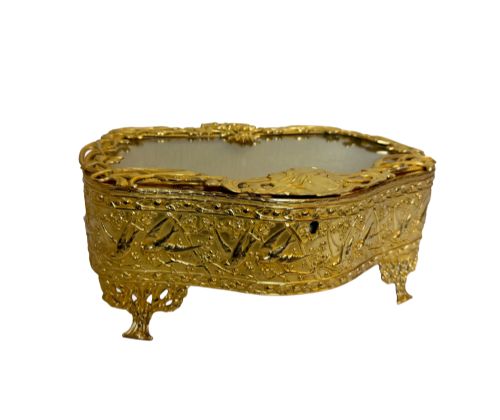
A gilt glass box sits on a dressing table to catch the light, holding small trinkets and treasures within its gilded metal frame.
Gilt Glass Box
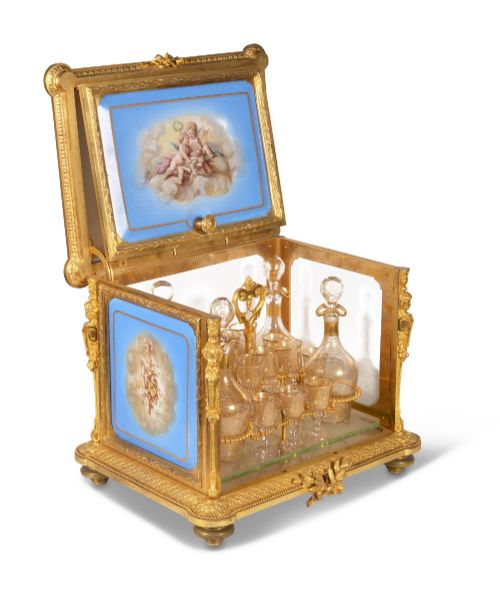
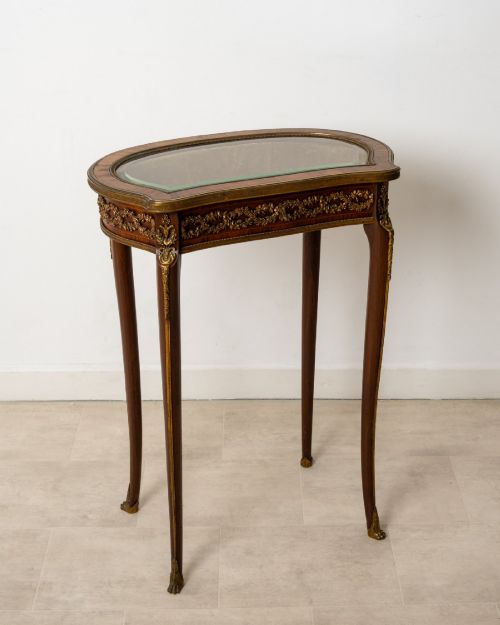
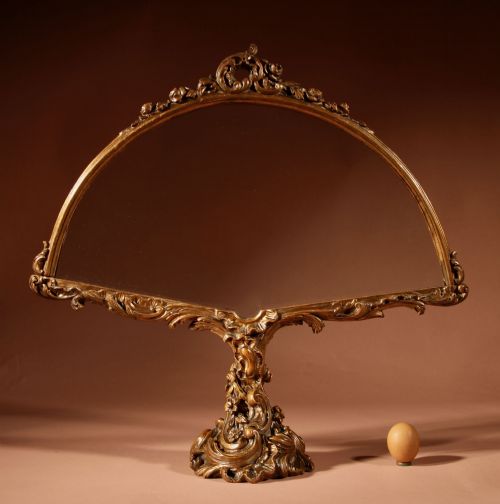
When you search for a gilt glass box, you encounter pieces primarily from the nineteenth century, including Victorian and French periods. These objects take the form of jewellery boxes, trinket boxes, and vitrine display tables designed for domestic display.
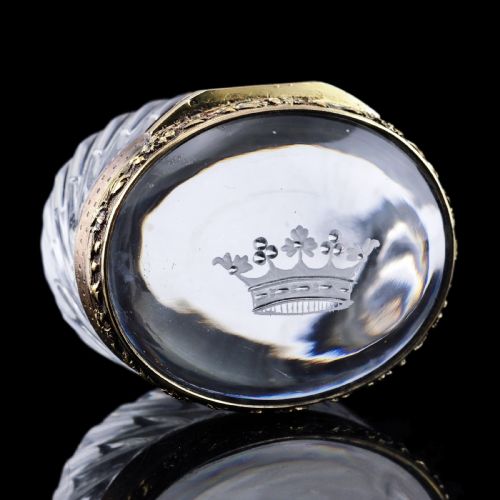
The most common examples combine glass and crystal panels with ormolu or gilt bronze mounts. They serve as receptacles for small valuables, scent bottles, and personal items.
Origins stretch across English and French workshops, utilising styles from Napoleon III to Art Nouveau. Each piece reflects the decorative tastes of the Victorian era and continental equivalents.
How they were made
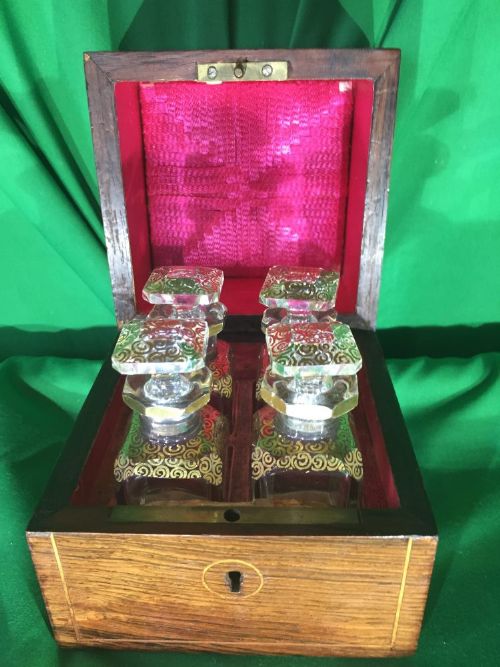
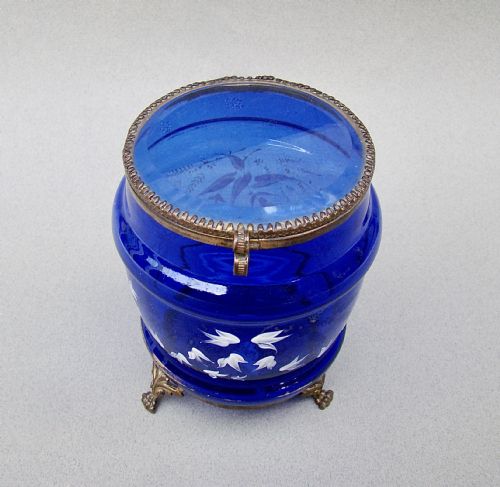
Maker's hands combined glass, cut crystal, and Bristol blue glass with cast ormolu, brass, and gilt bronze mounts. Structural integrity often relied on wood foundations like rosewood, kingwood, mahogany, or coromandel beneath the metal and glass panels.
Internal spaces were frequently lined with velvet, silk, or leather to cushion the contents. Metal components were cast, chased, and gilded to frame the transparent glass panes securely.
Gilt Glass Box Retail Price Guide 2026
Typical asking prices for gilt glass box among the pieces listed under this phrase on Sellingantiques today, from the lower quarter to the upper quarter. They describe what is for sale here now, not the wider market.
Listings feature items spanning the 1850s through 1900, incorporating materials like cut crystal, velvet, and gilt bronze.
What varies in quality
The standard of execution in the metal mounts separates everyday wares from exceptional items. Crisp chasing on the ormolu and heavy gauge glass or cut crystal indicate superior production values.
Original linings of silk and velvet alongside well-fitted hinges and secure closures elevate a piece. The integration of materials, such as Baccarat crystal set in heavy bronze mounts, distinguishes finer examples.
The Gilt Glass Box Glossary
- Ormolu
- Gilded bronze or brass used for mounts and decorative accents on furniture and boxes. It provides a rich golden appearance without solid gold construction.
- Vitrine
- A glass-fronted cabinet or display table designed to showcase small objects and curiosities. These pieces elevate storage into a visual display.
- Baccarat
- A renowned French crystal manufacturer known for heavy, brilliant-cut glass items. Pieces bearing this association command attention for their clarity and weight.
- Casket
- A decorative box used for holding jewels, letters, or small valuables. They often feature hinged lids and elaborate metal fittings.
Gilt Glass Box: Frequently Asked Questions
What is a gilt glass box used for?
These boxes held jewellery, trinkets, and small personal possessions on dressing tables and desks. Their transparent walls allowed owners to view contents while keeping them secure.
Over time, they transitioned from functional dressing room accessories into decorative display pieces for salons and drawing rooms.
How do I date a glass and ormolu box?
Dating relies on stylistic clues like Napoleon III curves, Art Nouveau lines, or Victorian proportions. Maker marks, screw types, and construction methods also help place an object in the nineteenth century.
Comparing the mount design and glass thickness to dated examples in the listings clarifies the period of manufacture.
Are French and English boxes different?
French pieces from the nineteenth century frequently employ ornate ormolu mounts and heavy crystal panels in Rococo or Louis XV revival styles. English boxes often lean towards rosewood, coromandel, or walnut foundations with restrained brass fittings.
Both origins share a focus on interior luxury through velvet and silk linings.
How should I clean a vintage glass box?
Glass panels require a soft cloth and mild glass cleaner applied sparingly to avoid seeping into the metal mounts or fabric linings. Ormolu and gilt bronze need only gentle dusting to preserve their gilded surface.
Moisture can damage old silk and velvet interiors, so internal cleaning should remain minimal.