




Gilt Framed Shadow Box
A gilt framed shadow box brings depth and drama to a room, enclosing delicate three-dimensional displays behind glass.
Gilt Framed Shadow Box
When you search for a gilt framed shadow box, you encounter deep glazed enclosures and display cases designed to protect and highlight intricate objects. The examples available on this page span the eighteenth and nineteenth centuries, taking the form of wall art, display cases, and framed wall art.
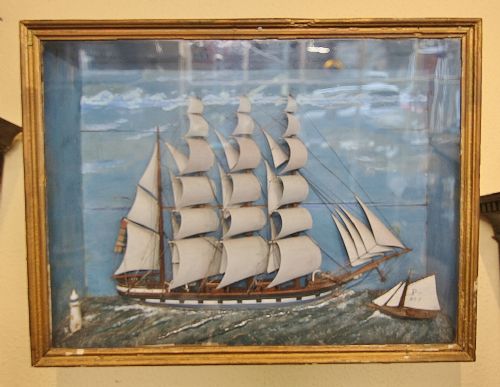
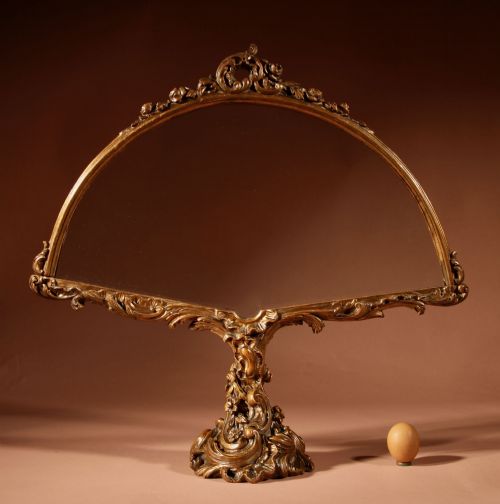
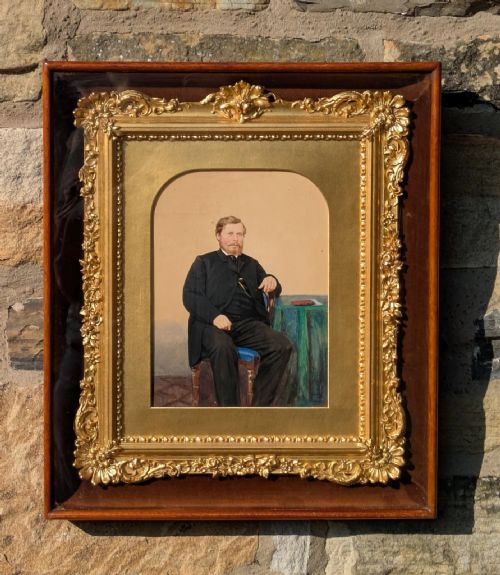
The most likely version to meet here is a Victorian or French creation, often housing maritime dioramas, devotional figures, fans, or relief tableaux. These pieces use gilded wood, gilt metal, glass, velvet, and paper to create layered interior scenes.
Originating from periods such as the Victorian era and eighteenth-century France, these shadow boxes and display cases function as miniature stages. They preserve fragile materials like mother-of-pearl, lace, cork work, and Nevers glass figures behind protective glazing.
How they were made
Makers constructed the housings using carved and gilded wood or gilt metal, forming deep frames to accommodate three-dimensional contents. Glass fronting protected interior arrangements from dust and handling while allowing a clear view of the scenes within.
Interiors frequently featured fabric mounts such as velvet to provide a contrasting background for portraits, devotional figures, and detailed dioramas. Artisans assembled complex miniature elements by hand, utilising cork work, painted components, mother-of-pearl, and delicate lace.
Gilt Framed Shadow Box Retail Price Guide 2026
Typical asking prices for gilt framed shadow box among the pieces listed under this phrase on Sellingantiques today, from the lower quarter to the upper quarter. They describe what is for sale here now, not the wider market.
Listings feature items from the 18th century, 19th century, and Victorian period, utilising materials such as glass, wood, paper, velvet, and gilt wood.
What varies in quality
The sophistication of the internal subject matter dictates the upper tier of these pieces, particularly where intricate hand-carved elements or specialised components like Nevers glass figures are present. Simpler frames with standard paper or fabric backing sit at the other end of the scale.
The execution of the gilding and the depth of the timber framing also set examples apart. Finer pieces demonstrate careful carving and balanced composition within the glazed box, whereas basic iterations rely on simpler surface finishing and less complex interior arrangements.
The Gilt Framed Shadow Box Glossary
- Shadow Box
- A deep, glass-fronted frame designed to display and protect three-dimensional objects or dioramas on a wall. It creates a contained stage for miniature scenes and delicate artefacts.
- Diorama
- A three-dimensional scene depicting historical events, maritime vessels, or landscapes using model figures and constructed elements. These often appear inside deep glazed frames.
- Gilt Wood
- Timber that has been coated with gold leaf or gilt paint to give a bright, metallic surface finish. It provides the ornate exterior structure for many period display cases.
- Nevers Glass
- Lampworked glass figures produced in the French town of Nevers, frequently found in devotional shadow boxes from the eighteenth century. These delicate miniature sculptures require careful housing behind glass.
- Automaton
- A self-operating mechanical device or figure integrated into nineteenth-century displays to create movement. Such pieces combine mechanical ingenuity with decorative framing.
Gilt Framed Shadow Box: Frequently Asked Questions
What fits inside a shadow box?
These deep enclosures house a variety of three-dimensional objects, ranging from maritime dioramas and fighting figures to devotional glass items and mounted fans.
Interior mountings often include velvet backings designed to support delicate materials like lace and mother-of-pearl securely.
How do I hang a heavy frame?
Due to the depth of the glazing and the solid timber construction, these frames require secure wall fixings capable of supporting substantial weight.
Ensuring the hanging wire or brackets match the mass of the gilt wood structure prevents strain on the wall and the frame alike.
Where should I place these pieces?
Positioning these glazed displays away from direct sunlight protects vulnerable interior materials like paper, painted surfaces, and fabric mounts from fading.
Placing them at eye level in rooms with stable humidity allows the intricate details of the dioramas and tableaux to be appreciated clearly.
How do I clean the glass?
Maintenance involves wiping the exterior glazing with a soft cloth and a gentle cleaning solution applied to the cloth rather than directly to the frame.
Care must be taken near the gilded wood edges to avoid moisture damage to the metallic surface finish.