






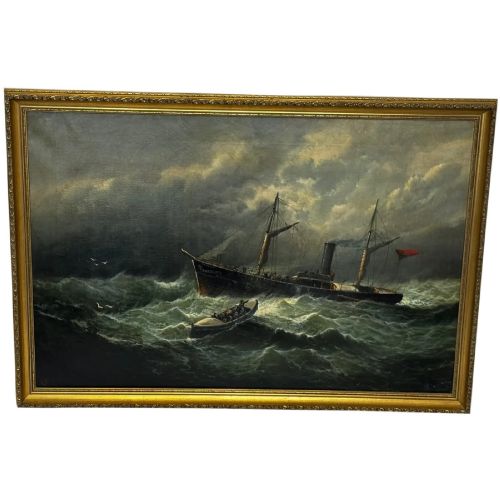
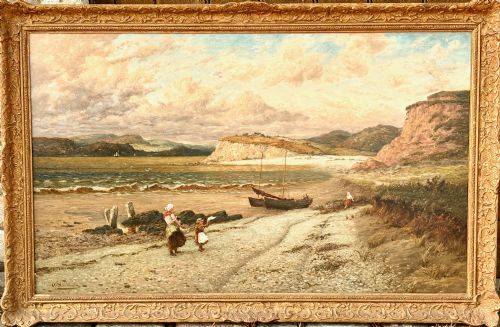
Gilt Frame Marine Art
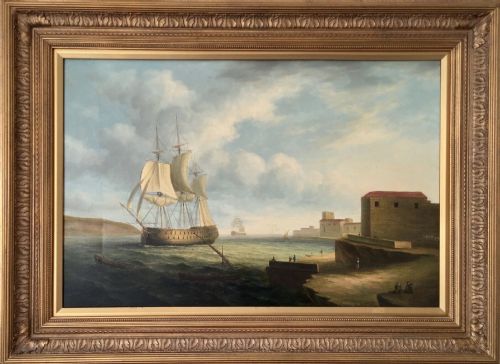
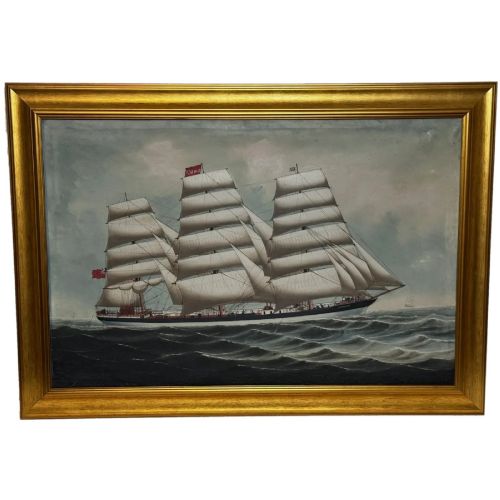
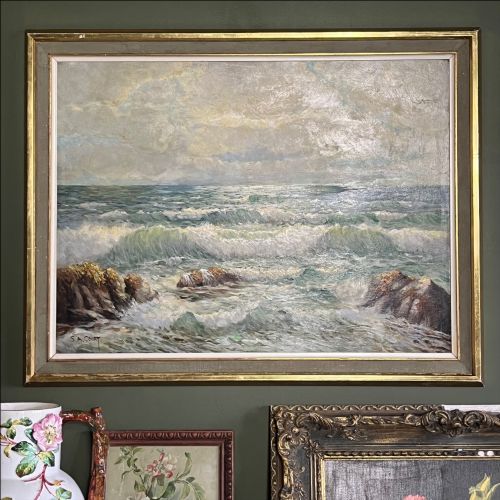
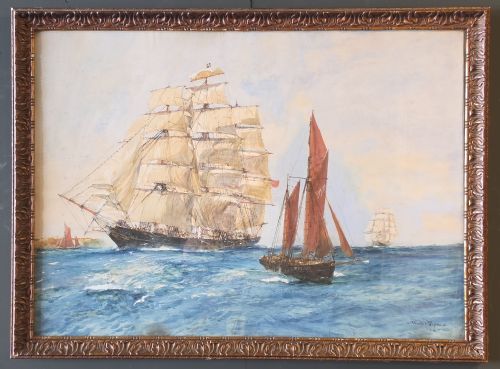
Gilt frame marine art brings together historic seascapes, naval engagements and coastal harbours encased in ornate gold-toned mouldings.
Gilt Frame Marine Art
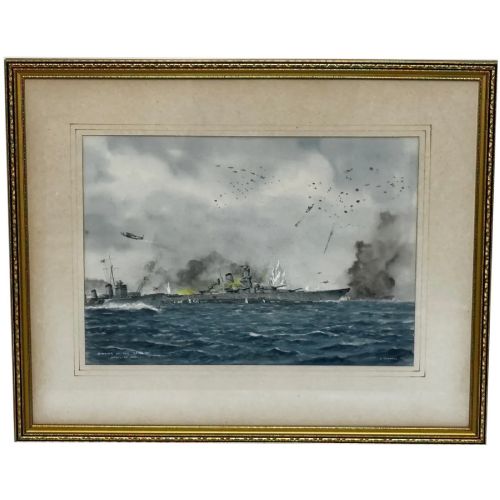
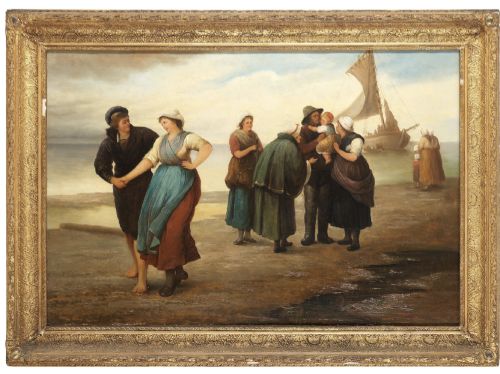
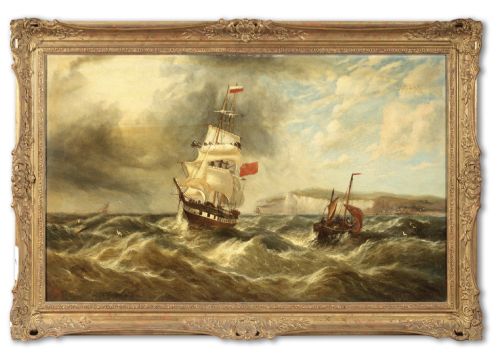
When searching for gilt frame marine art, buyers encounter traditional oil paintings and watercolours depicting ships, coastal views and rough seas. These works span the nineteenth century and into the twentieth century, capturing vessels from galleons to steamships.
The most common formats on this page are oil on canvas or board and paper watercolours, largely originating from British and European schools. Subjects range from calm harbour scenes to dramatic shipwrecks and naval battles.
Frames play a structural and aesthetic role in these pieces, predominantly utilising gilt wood or gilt finishes to complement the maritime subject matter. They offer a window into historical maritime commerce, exploration and coastal life.
Materials and construction
These works rely on oil paint or watercolour applied to canvas, wood panels, board or paper. Artists utilised these mediums to capture the shifting light of the sea, coastal skies and atmospheric weather conditions.
Listings feature works from the 19th Century, Victorian period, and 1960, executed in oil and watercolour on canvas, paper, and wood.
Indicators of quality
Quality in these works rests on the artist's ability to render water, light and vessel rigging with conviction and anatomical accuracy. Stronger paintings demonstrate a sophisticated handling of maritime atmosphere, wave movement and maritime architecture.
The relationship between the painting and its gilt frame influences the overall integrity of the piece. Frames that retain their original gilding and proportional heft enhance the visual impact of the artwork within.
Eugène-Louis Gillot·William McAlpine·Reginald Arthur Borstel·Sidney A Court·Edward Mills·Charles Edward Dixon·Eric Tufnell·William Banks Fortescue·John Rose Miles·William Broome·Bonaventura Peeters·Peter Brannan·Francis Moltino·Bernard Benedict Hemy·Thomas Creswick·Willem Bos·Charles Euphraisie Kuasseg·John Wilson Carmichael·Joseph Farquharson·John Moore of Ipswich·Nicholas Condy·Richard B Spencer·William Henry Williamson·Arthur Joseph Meadows
The Gilt Frame Marine Art Glossary
- Gilt
- Covered with a thin layer of gold leaf or gilt paint. This finish creates a reflective border that isolates the maritime scene from the surrounding room.
- En plein air
- Painted out of doors to capture natural light and direct observation. This method is frequently seen in coastal and harbour landscapes.
- Seascape
- A work of art depicting the sea. These scenes focus primarily on coastal views, open water or marine weather rather than land-based subjects.
- Watercolour
- Paint consisting of colour suspended in a water-soluble binder. Applied to paper, it creates translucent washes well suited for delicate skies and water.
Gilt Frame Marine Art: Frequently Asked Questions
What subjects do these marine paintings show?
The artworks depict a wide range of maritime subjects including warships, merchant vessels, bustling harbours, and stormy seas. Many capture specific historical events, naval battles, or quiet coastal scenes from the nineteenth and twentieth centuries.
Artists frequently recorded working vessels, fishing boats, and coastal landmarks like lighthouses and abbeys. These scenes provide a visual record of maritime history and coastal life during the period.
How do I identify the period of a maritime painting?
Dating often relies on the type of vessels depicted, such as three-masted schooners, wooden barques, or early steamships, which evolved rapidly across the nineteenth and twentieth centuries. Clothing styles of figures in the composition also offer clues to the era.
Signatures, framing styles, and the backing materials of the canvas or board help narrow down the decade. Many works also carry inscriptions or documentation on the reverse detailing the ship or location.
Were these paintings made for display in homes?
Maritime paintings were historically commissioned or purchased by shipowners, captains, and collectors who wanted to celebrate naval achievements or coastal commerce. Their gilt frames reflect a domestic interior aesthetic designed to showcase status.
While some larger canvases hung in institutional or mercantile offices, many standard-sized oils and watercolours suited domestic parlours and studies. They brought the drama of the sea into inland homes.
How should I care for an oil painting in a gilt frame?
Keep the artwork away from direct sunlight and fluctuating humidity to prevent the canvas from slackening and the oil paint from cracking. Gentle dusting with a soft, dry brush helps maintain the surface without disturbing the medium.
Avoid using liquid cleaners on both the canvas and the gilt frame, as moisture can damage the gilding and underlying gesso. Professional conservation is recommended if the frame requires structural repair or cleaning.