



Gilt Decorative Porcelain Vessel
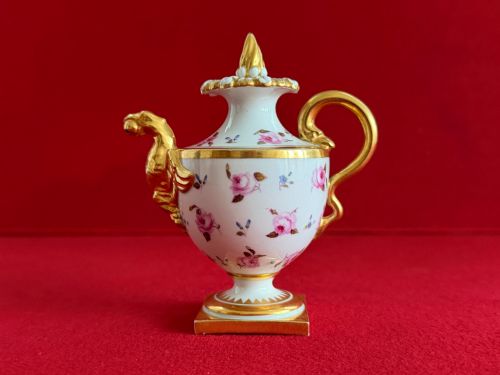
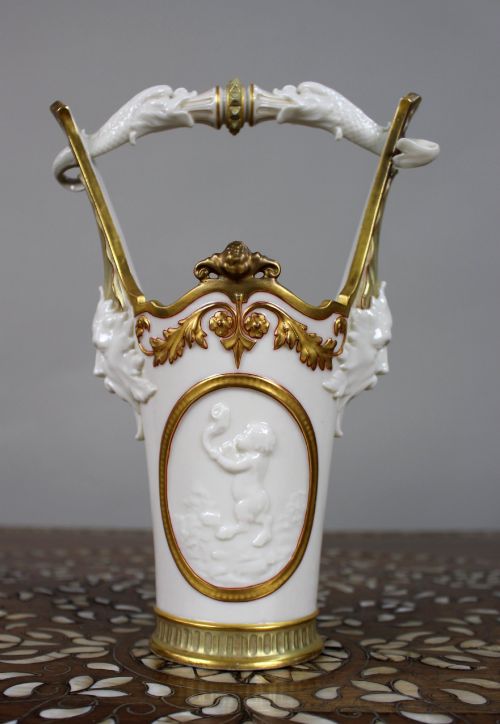
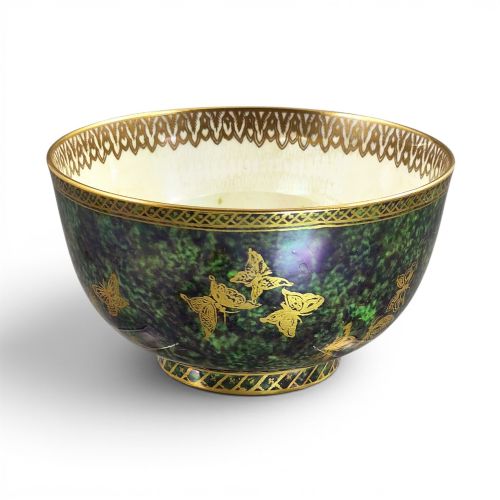
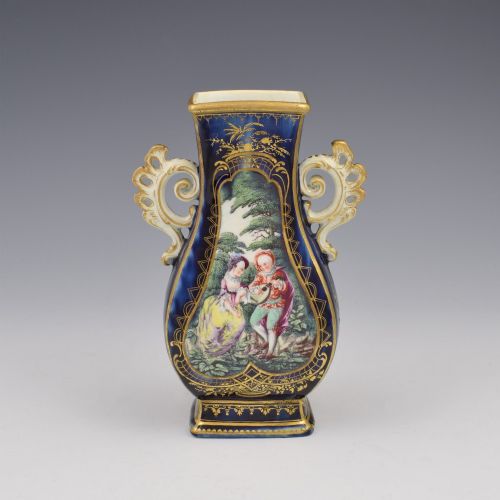
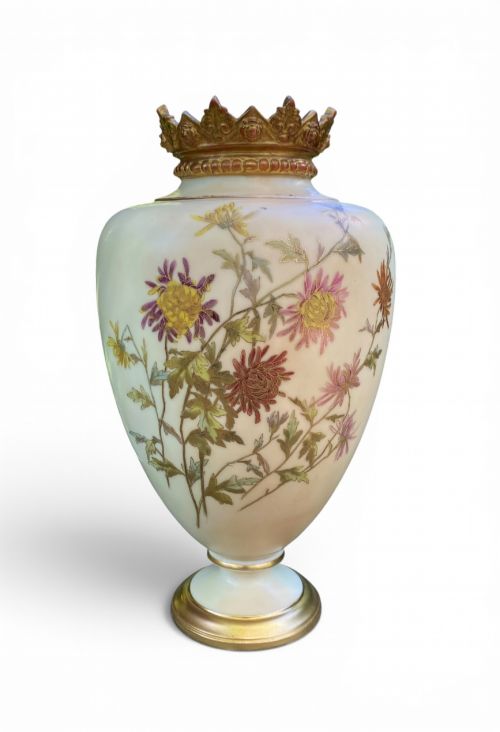
These gilt decorative porcelain vessel pieces combine fine ceramic bodies with rich metallic leaf and hand-painted scenes, appealing to collectors of ornate nineteenth- and twentieth-century tableware.
Gilt Decorative Porcelain Vessel
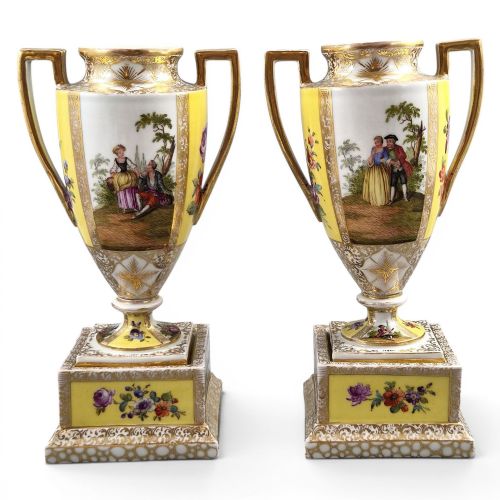
A gilt decorative porcelain vessel is typically a vase, urn, bowl, or lidded jar adorned with metallic highlights and enamel painting. The selection spans the nineteenth century through the early decades of the twentieth century, encompassing both British manufactories and continental or Japanese ateliers.
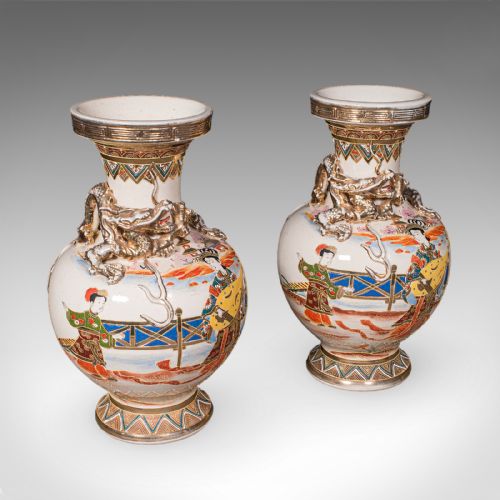
Most examples found here originate from major British potteries such as Royal Worcester and Coalport, alongside Japanese Satsuma and Kutani wares. Forms range from classical campagna urns and boat-shaped bowls to miniature vases and apothecary jars.
Makers often drew inspiration from earlier classical periods, resulting in revival styles that incorporate elaborate hand-painted figures, landscapes, or botanical studies framed by raised gilding.
Materials and construction
Production relied on refined porcelain, bone china, or earthenware bodies shaped by throwing, moulding, or casting. Artisans applied cobalt blues, rich enamels, and polychrome pigments directly onto the glazed or biscuit surface before a secondary kiln firing.
Gilding was executed using gold leaf or powdered gold suspended in a medium, which was meticulously painted onto the ceramic and subsequently burnished to achieve a brilliant metallic sheen against the matte or glossy glaze.
Listings feature porcelain vessels from the nineteenth and twentieth centuries, including works by Royal Worcester, Coalport, and Japanese Satsuma makers.
Evaluating the craftsmanship
Quality rests primarily on the precision of the hand-painting and the depth of the gilding. Skilled artists executed intricate figural scenes, botanical studies, and complex borders with fine control, whereas lesser examples rely on stencilled transfers or simplified motifs.
The weight and refinement of the porcelain body, alongside the crispness of moulded details such as handles and feet, distinguish standard production wares from exhibition-quality pieces intended for display.
Flight Barr and Barr·Royal Worcester·Samuel Alcock and Co·Helena Wolfsohn Dresden·Ernst Wahliss·Coalport
The Gilt Decorative Porcelain Vessel Glossary
- Gilding
- The application of gold leaf or gold paint to the surface of ceramics. This technique creates metallic accents that highlight rims, handles, and painted panels.
- Campagna Urn
- A classical vase shape characterised by a flared body sitting on a pedestal base with twin handles. It mimics ancient Roman stone vessels in porcelain form.
- Lustre
- A type of ceramic glaze containing metallic oxides that produce an iridescent, rainbow-like sheen when fired in a reduced oxygen atmosphere.
- Baluster
- A vertical architectural form resembling a pillar, featuring a rounded swelling body that tapers toward a narrow neck and foot.
- Koro
- A traditional Japanese incense burner typically supported on three legs and fitted with a pierced lid to allow scented smoke to escape.
Gilt Decorative Porcelain Vessel: Frequently Asked Questions
What is a gilt decorative porcelain vessel?
A gilt decorative porcelain vessel is an ornamental ceramic object, such as a vase, urn, or bowl, enhanced with gold leaf or metallic paint and detailed artwork. These pieces were created primarily for display in nineteenth- and early twentieth-century drawing rooms.
They encompass a wide variety of forms, from British cabinet vases painted with fruit and flowers to Japanese Satsuma wares decorated with complex figural scenes and raised gold.
How were these vessels used originally?
Most of these vessels served as purely ornamental objects placed on mantelpieces, side tables, or in specialised cabinets. Some forms, such as potpourri jars and rose water sprinklers, fulfilled a functional role by diffusing fragrance through domestic spaces.
Chocolate cups, loving cups, and apothecary jars combined practical utility with high-status decoration, often featuring on formal dining tables or in personal dressing rooms.
How should I care for a gilt porcelain vessel?
These pieces require gentle handling, as hand-painted enamels and burnished gold leaf can be sensitive to abrasion and moisture. Dust them lightly with a soft, dry brush rather than using chemical cleaning agents or submerging them in water.
Display them away from direct sunlight to preserve the vibrancy of the pigments and prevent any degradation of the delicate metallic gilding over time.
How do I identify the period of a piece?
Dating relies heavily on factory backstamps, painter signatures, and stylistic markers specific to eras such as the Regency period, the Victorian era, or the Japanese Meiji period. Stylistic clues include the colour palette, the complexity of the gilding, and the shape of the ceramic body.
Consulting manufacturer records helps narrow down the production year, particularly for established British potteries that utilised systematic date codes on their porcelain.