



Gilt Decorated Mirror
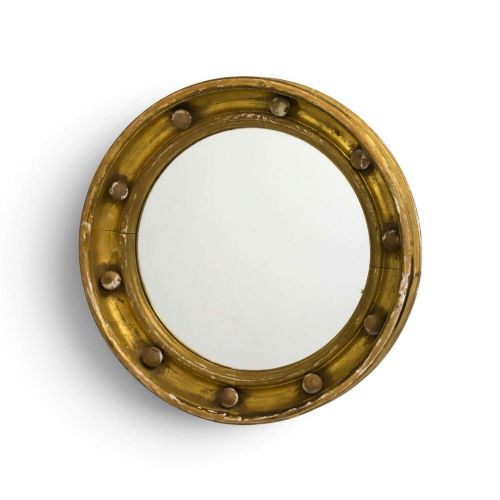
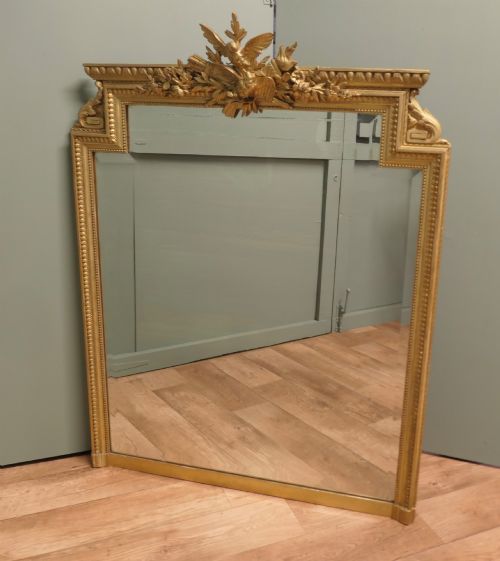
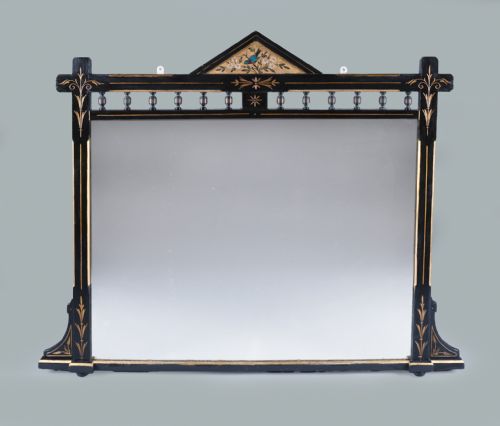
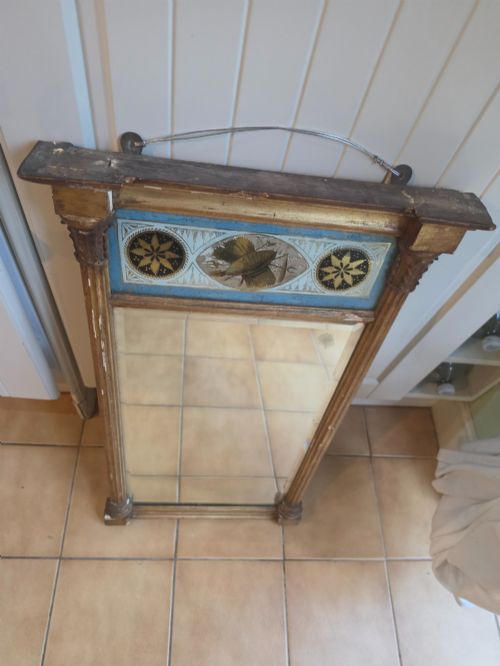
These gilt decorated mirror examples bring together nineteenth-century craftsmanship and classical styling to anchor a room.
Gilt Decorated Mirror
A gilt decorated mirror combines reflective glass with decorative frames finished in gold leaf, paint, or gesso. Buyers searching for this phrase seek statement pieces that reflect light while adding historical character to an interior.
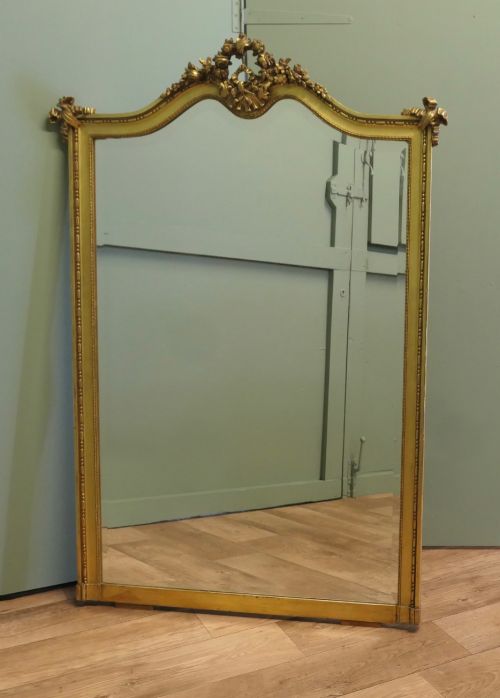
The pieces on this page span the nineteenth century through the Edwardian period, encompassing wall mirrors, overmantels, and trumeaus. French Louis Philippe examples and English overmantel mirrors appear alongside distinct Revival styles.
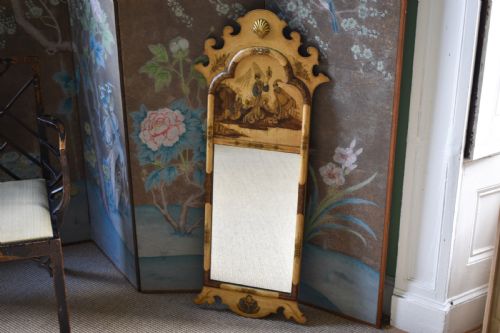
Chinoiserie and Baroque Revival interpretations offer alternative aesthetics within the selection. Buyers frequently encounter nineteenth-century wall mirrors and larger overmantel formats designed to hang above a fireplace.
How they were made
Carved wood and gesso form the structural base for many of these frames. Artisans applied thin layers of gold leaf or paint over the gesso preparation to achieve the characteristic gilt surface.
Techniques varied from traditional English japanning to French trumeau construction. Specialised joinery and hand-carved elements, such as acanthus columns or lions' heads, define the decorative detailing.
Gilt Decorated Mirror Retail Price Guide 2026
Typical asking prices for gilt decorated mirror among the pieces listed under this phrase on Sellingantiques today, from the lower quarter to the upper quarter. They describe what is for sale here now, not the wider market.
Materials across these listings include carved wood, gesso, gold leaf, and painted surfaces.
What varies in quality
The depth and execution of the carved wood surface dictate the overall calibre of the piece. Crisp detailing in the gesso work separates standard production from finer examples.
The integrity of the original gilding and paintwork influences the piece's character. Trumeau panels and specialised finishes like scarlet japanning show distinct levels of artisan skill.
The Gilt Decorated Mirror Glossary
- Gesso
- A plaster-like mixture applied to wood surfaces as a base for paint or gold leaf. It allows artisans to carve intricate relief details before gilding.
- Trumeau
- A decorative wall mirror featuring a painted panel or artwork positioned above the glass. These originate primarily from French interior design traditions.
- Overmantel mirror
- A large horizontal mirror designed specifically to hang above a fireplace mantel. They frequently incorporate architectural columns or classical motifs.
- Japanning
- A European imitation of East Asian lacquerwork used on furniture and frames. It involves layered varnishes and often incorporates painted Chinoiserie scenes.
Gilt Decorated Mirror: Frequently Asked Questions
Where should I hang a gilt decorated mirror?
These mirrors suit placement above a living room fireplace or as a focal point on a main hallway wall. Their reflective glass helps distribute natural light throughout smaller spaces.
Overmantel formats require secure wall fixings due to their substantial size and wooden construction. Balance the mirror's width against the furniture piece positioned directly beneath it.
How do I identify the period of my mirror?
Examine the construction materials, frame joinery, and decorative style markers such as Baroque Revival or Regency motifs. Nineteenth-century pieces often display hand-carved gesso details specific to their decade of origin.
Backboards and mirror plate characteristics also offer clues to age. Original mercury glass or early bevelled edges help confirm a nineteenth-century timeline.
What is a trumeau mirror?
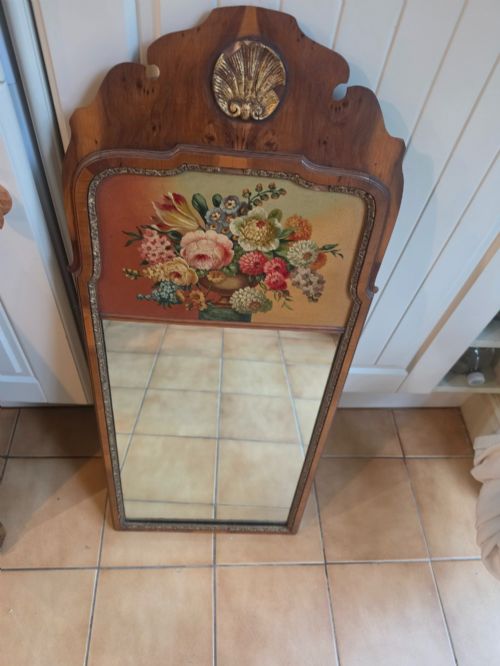
A trumeau mirror combines a lower glass plate with an upper decorative panel containing painting or carving. This French style filled wall spaces between windows or above mantelpieces.
They bring architectural height and painted detail to a room. The upper panel often depicts classical scenes or floral motifs characteristic of the nineteenth century.
How do I clean a gilded frame?
Dust the carved wood and gesso surfaces gently with a soft, dry brush. Avoid applying liquid cleaners directly to the gold leaf or painted areas to protect the finish.
Use standard glass cleaner applied to a cloth rather than the frame for the mirror plate. Prevent moisture from seeping into the edges of the antique glass.