





Gilt Decorated Furniture
Gilt decorated furniture brings striking metallic surface work into a room, offering functional seating, storage, and display across periods from the nineteenth century onward.
Gilt Decorated Furniture
When searching for gilt decorated furniture, buyers encounter a diverse selection of pieces designed to bring metallic ornament into domestic interiors. The range spans functional items such as side cabinets, dining chairs, and occasional tables, alongside specialised forms like plant stands, footstools, and piano stools.
The selection on this page draws heavily from nineteenth-century origins, extending through Edwardian interpretations and early twentieth-century pieces. Styles are notably varied, encompassing Regency design, Chinoiserie lacquerwork, Aesthetic Movement influences, and Louis XV or Swedish revivals.
Among these forms, cabinets, side cabinets, and occasional tables appear most frequently alongside seating and smaller display stands. Each piece utilises surface decoration, paint, and lacquer to elevate standard timber frames into distinct decorative statements.
How gilt decorated furniture was made
Construction relies upon traditional cabinet-making timbers, painted wood, and papier-mâché, providing structural foundations for subsequent decorative finishes. Artisans applied gold leaf and gilding directly to wood, simulated rosewood, or ebonised surfaces to achieve high-contrast metallic highlights.
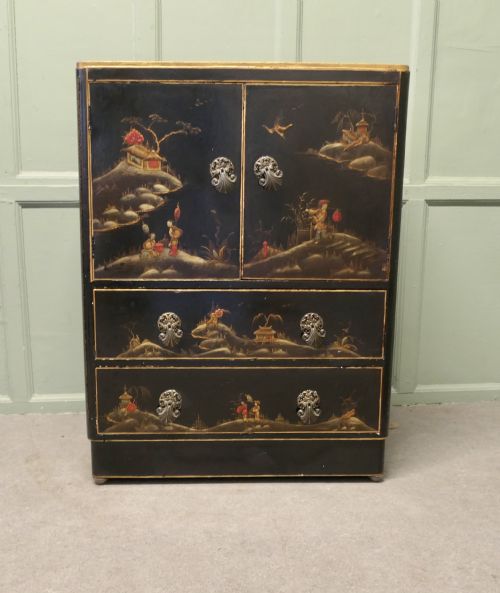
Lacquerwork forms a major technique within the evidence, particularly seen in black and scarlet japanned pieces finished with detailed oriental motifs. Surfaces are frequently paired with secondary materials including brass hardware, marble tops, and velvet upholstery.
Specialised techniques extend to the integration of porcelain plaques and intricate hand-painted Chinoiserie scenes. These methods required careful preparation of the wooden or papier-mâché substrate to ensure the gold leaf and decorative pigments adhered securely.
Gilt Decorated Furniture Retail Price Guide 2026
Typical asking prices for gilt decorated furniture among the pieces listed under this phrase on Sellingantiques today, from the lower quarter to the upper quarter. They describe what is for sale here now, not the wider market.
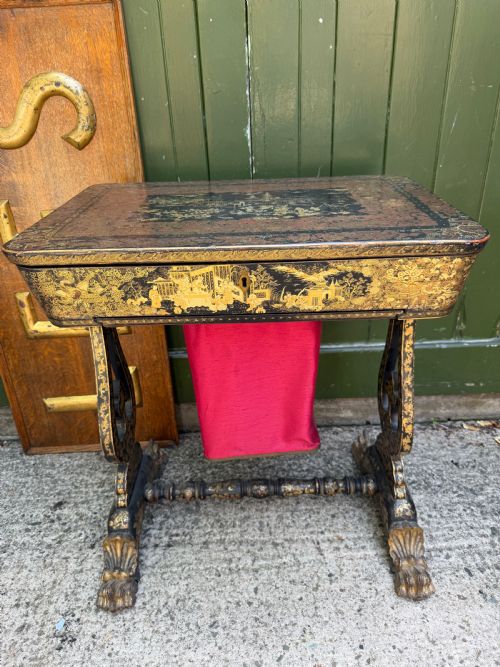
A sewing table designed to hold stray threads now hosts your television remote.
What varies in quality
Quality in these pieces rests upon the precision of the surface decoration and the execution of the underlying cabinet work. Finer examples display crisp, hand-applied gilding and well-preserved lacquer work that retain their original depth and sheen.
The sophistication of the design execution separates standard utility pieces from more ambitious commissions, particularly within revival and Chinoiserie styles. The integration of high-grade materials, such as genuine marble tops or specialised porcelain plaques, elevates the overall standard of manufacture.
The Gilt Decorated Furniture Glossary
- Chinoiserie
- European decorative style reflecting Chinese artistic traditions, characterised by painted or lacquered motifs of figures, landscapes, and pavilions. It gained significant popularity during various revival periods in British and continental furniture making.
- Japanned
- European imitation of East Asian lacquerwork, created by applying layers of varnish and resin, then curing and decorating the surface. Red and black grounds are traditional variants.
- Gilding
- The application of gold leaf, gold dust, or gold paint to a solid surface such as wood, metal, or papier-mâché. This technique provides the signature metallic brilliance found across these items.
- Papier-mâché
- A composite material consisting of paper pieces or pulp, sometimes reinforced with textile, bound with an adhesive and moulded. It was widely utilised for lightweight occasional tables and decorative items before being painted and lacquered.
Gilt Decorated Furniture: Frequently Asked Questions
What periods do these pieces come from?
The listings encompass items produced during the nineteenth century, including the Regency era and the Aesthetic Movement. Later pieces extend into Edwardian interpretations and the early twentieth century.
Design influences span specific revivals such as the Louis XV and Swedish styles, reflecting changing aesthetic preferences across multiple decades.
How were these items used in period interiors?
These furnishings served functional roles in reception rooms, parlours, and drawing rooms as seating, storage, and display surfaces. Cabinets and corner cabinets housed prized possessions, while occasional tables and plant stands held decorative objects.
Smaller items like piano stools and sewing tables combined practical utility with ornamental presence in private domestic spaces.
What materials are common in this furniture?
Wood forms the primary structural material, frequently finished as painted wood, ebonised timber, or simulated rosewood. Papier-mâché also appears on lighter occasional pieces.
Surfaces are distinguished by gold leaf, lacquer, brass mounts, marble tops, and velvet upholstery, creating rich tactile and visual contrasts.
How do Chinoiserie and Regency styles differ?
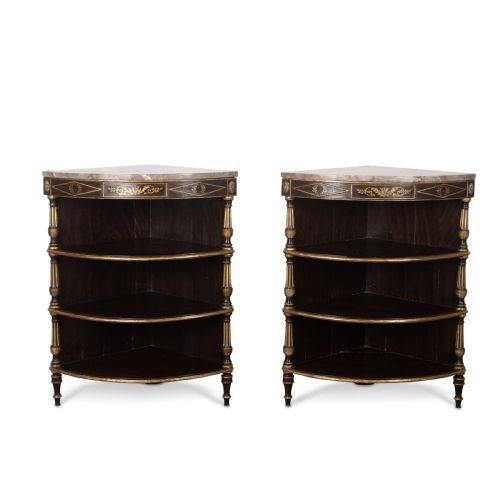
Regency items often feature classical lines, ebonised finishes, and simulated exotic woods with restrained architectural mounts. Chinoiserie pieces focus on oriental lacquerwork featuring painted motifs and scenes.
Both styles utilise gilding, but their underlying forms and decorative vocabularies originate from distinct design traditions.