




Gilt Carved Side Chair
These gilt carved side chair examples bring ornate gilding and structured seating together, offering dramatic focal points for period rooms.
Gilt Carved Side Chair
A gilt carved side chair provides decorative seating designed primarily for salons, drawing rooms, and formal dining spaces rather than daily heavy use. These pieces appear across various historical periods, ranging from 18th-century Italian workshops to 19th-century English and continental revivals.
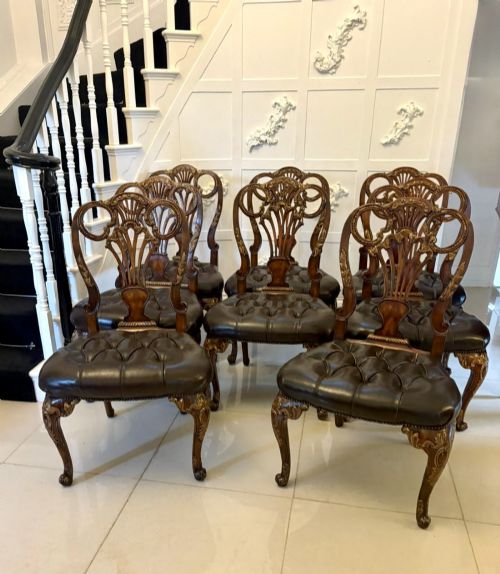
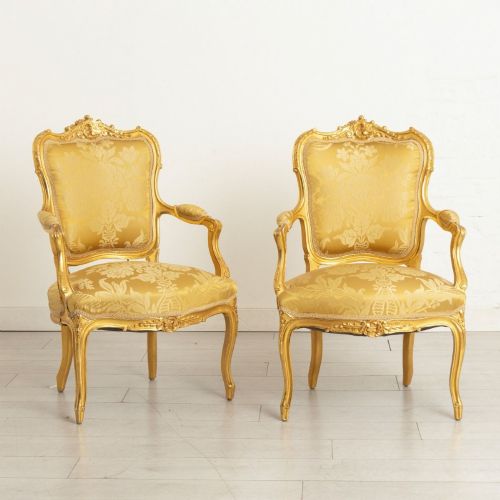
Buyers encounter numerous regional interpretations on this page, including French Rococo and Empire models, English Regency designs, and Anglo-Dutch high-back forms. Giltwood, parcel-gilt walnut, and painted beech surfaces define the visual character of these seating options.
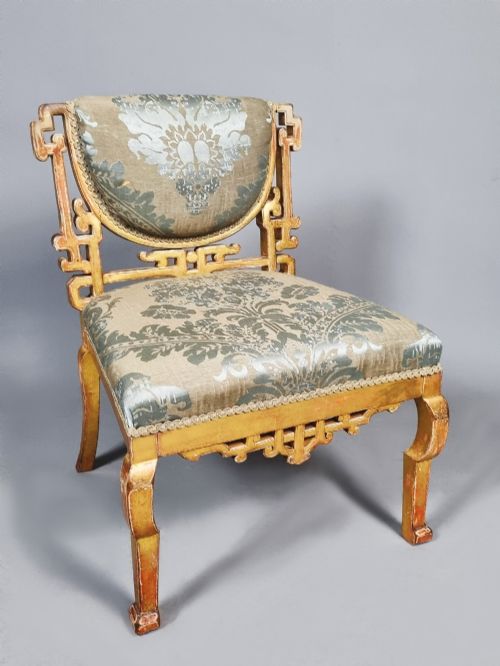
Makers utilised diverse ornamental vocabularies, referencing French chateau aesthetics, Chinese Chippendale motifs, and simulated bamboo framing. Such chairs function effectively as occasional seating or decorative accents against perimeter walls.
How they were made
Carvers shaped structural frames from solid hardwoods like beech, walnut, and oak before applying surface decoration. Joinery relied on traditional mortise and tenon techniques to ensure stability across slender legs and intricate open backs.
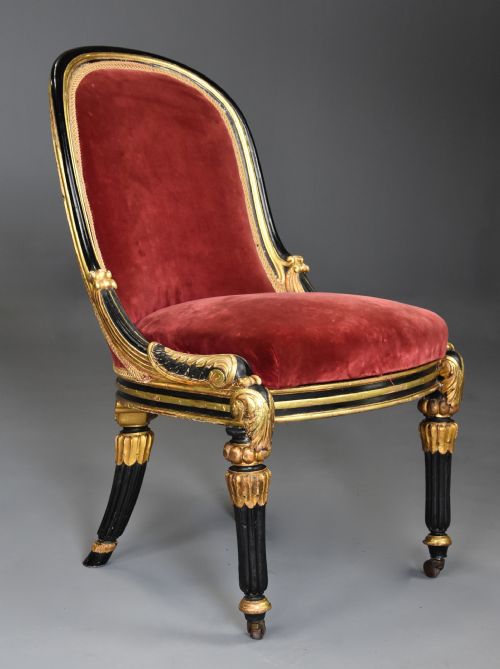
Gilding involved applying thin sheets of gold leaf over a prepared base layer of gesso on wood. Artisans also utilised parcel-gilding to highlight specific carved details against ebonised or painted wooden grounds.
Gilt Carved Side Chair Retail Price Guide 2026
Typical asking prices for gilt carved side chair among the pieces listed under this phrase on Sellingantiques today, from the lower quarter to the upper quarter. They describe what is for sale here now, not the wider market.
Listings feature items spanning from the 18th century through the Edwardian era and the 1930s.
What varies in quality
The crispness and depth of the carved ornamentation separate standard production from superior work. Skilled carvers achieved sharp, undercut details in the wood that catch light across the gilded surface.
The integrity of the underlying frame and the historical accuracy of the gilding application dictate the lasting merit of the piece. Well-preserved gold leaf retains a warm, soft lustre that machine-applied metallic paints fail to replicate.
Waugh and Son·Daniel Marot·Lamb of Manchester
The Gilt Carved Side Chair Glossary
- Giltwood
- Wood that has been decorated with gold leaf applied over a prepared gesso ground. This traditional finish provides a luminous, reflective surface characteristic of formal antique furniture.
- Gesso
- A plaster mixture applied to wooden furniture frames to create a smooth surface for gilding. Carvers often incised intricate patterns directly into this hardened layer before applying gold leaf.
- Parcel-gilt
- A decorative treatment where only specific carved elements or raised portions of a wooden piece are gilded. The remaining areas are typically painted, ebonised, or left as natural polished wood.
- Bergere
- An enclosed upholstered armchair with wooden framing and upholstered sides. These French seating forms often feature exposed polished or gilded wooden structures.
- Caning
- Woven rattan material utilised for chair seats and backs. This lightweight technique offered flexible support in formal occasional seating.
Gilt Carved Side Chair: Frequently Asked Questions
Where should I place a gilt carved side chair?
These decorative chairs suit formal reception rooms, bedrooms, and hallways where visual impact matters more than constant lounging.
They work effectively as single accent pieces against walls or paired symmetrically beside a fireplace or console table.
How do I care for antique gilding?
Dust the gilded wooden surfaces gently with a soft, dry brush to prevent accumulating dirt.
Avoid moisture, liquid cleaners, and abrasive cloths, as these substances can permanently damage fragile gold leaf.
Were these chairs meant for daily dining?
Most examples function as occasional, salon, or bedroom seating rather than robust everyday dining chairs.
Delicate carved frames and intricate gilding reflect their primary role as ornamental furnishings in formal interiors.
How can I tell different revival styles apart?
French Rococo revival models display asymmetrical scrolling foliage and C-scroll motifs, while Empire pieces feature neoclassical symmetry and military-inspired ornamentation.
English Regency and Chippendale variations incorporate distinct regional carving traits, from simulated bamboo to elaborate pierced backsplats.