

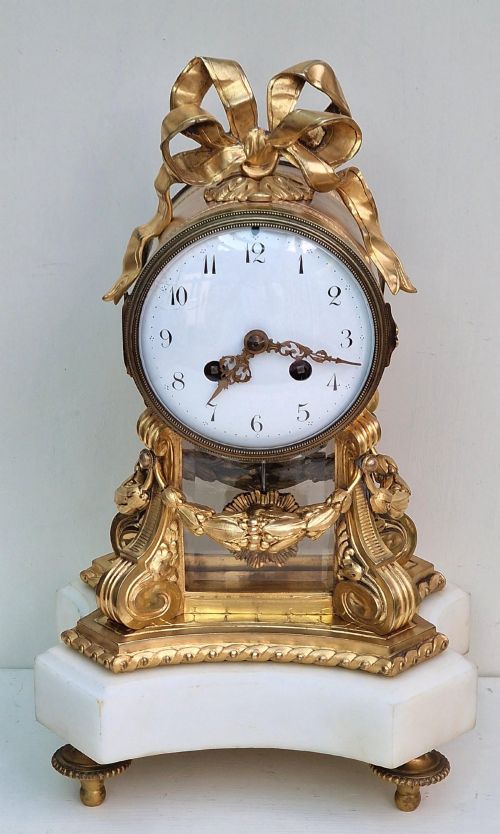
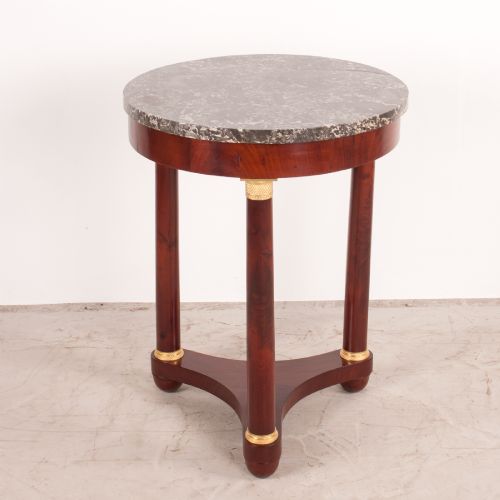

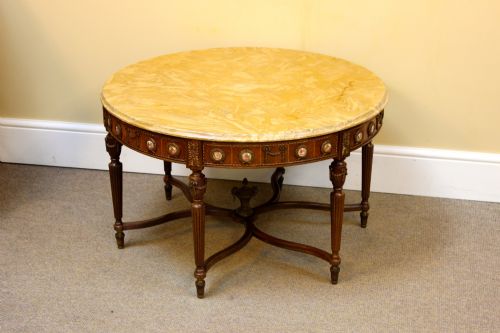
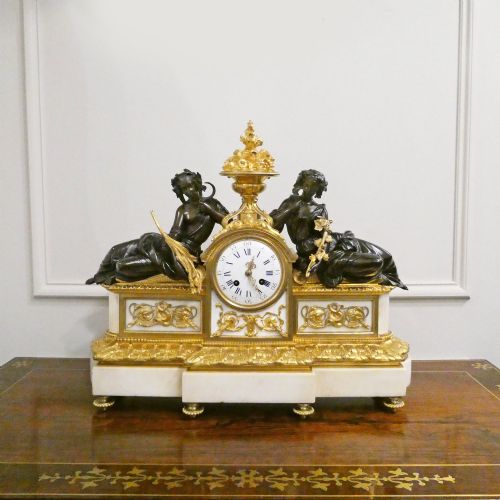
Gilt Bronze Marble Table
When seeking a gilt bronze marble table, you are looking at substantial French surface design built from solid stone and cast metal.
Gilt Bronze Marble Table
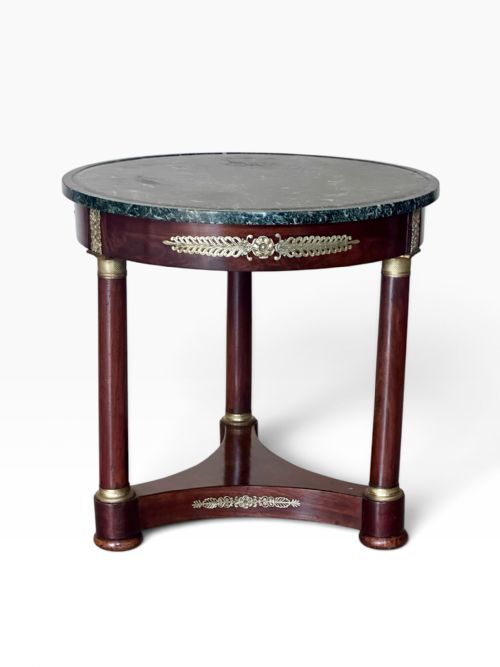
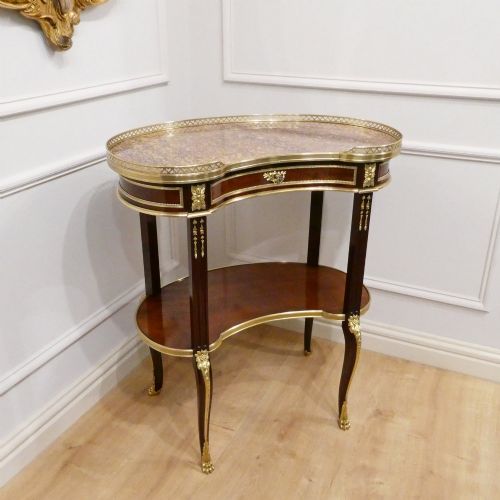
A gilt bronze marble table combines heavy stone surfaces with cast and gilded metallic mounts, originating largely from nineteenth-century French workshops. The selection centres on occasional pieces, gueridons, and console tables that employ polished stone tops supported by decorated timber frames.
Makers shaped these surfaces for formal reception rooms, frequently styling them after Louis XVI or Empire aesthetics. You will encounter side tables and larger centre tables resting on elaborate legs connected by stretchers.
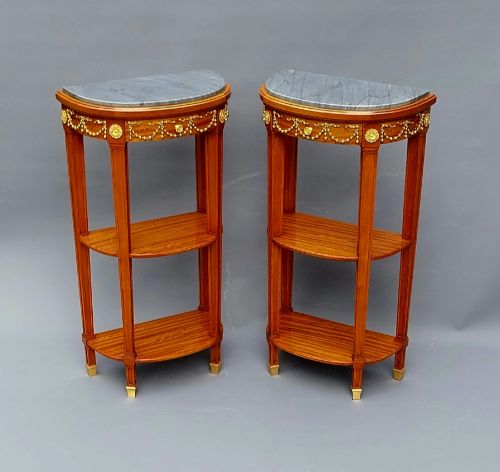
The marble slabs vary from white varieties to green onyx and deep red marble, fitted precisely into wooden or metallic frames. Ormolu mounts define the edges, aprons, and legs with classical motifs and floral patterns.
How they were made
Craftsmen built the main carcases from dense timbers like mahogany, walnut, and kingwood, often applying intricate veneers or rich polish. Heavy marble slabs were cut, levelled, and polished by hand to fit flush within the wooden or metal rims.
Metal elements relied on bronze casting techniques, subsequently fire-gilded to produce the characteristic ormolu finish that catches the light. Skilled artisans chased the cooled metal surfaces with fine chisels to sharpen the leaf work and figurative details before screwing or pinning them to the wood.
Several tables retain clever pull-out candle slides tucked directly beneath their heavy stone rims for midnight reading.
What varies in quality
Quality rests primarily on the depth and crispness of the bronze chasing, where sharper relief work indicates superior workshop standards. The density and grain of the marble top also dictate grade, alongside the weight and thickness of the cast ormolu mounts applied to the frame.
Construction methods separate standard production from master craftsmanship, visible in the tightness of the timber joints and the weight of the underlying mahogany or kingwood carcase. Pieces bearing maker stamps or attribution to notable Parisian ateliers demonstrate higher execution standards in every fitted component.
Maison Millet·Charles à Orléans·Vincenti·Siffel and Cartier·Krieger Paris·E Kahn·Reiche·Japy Freres·Philippes Paris·Berger·Edwards and Roberts·Linke·Paul Sormani
The Gilt Bronze Marble Table Glossary
- Ormolu
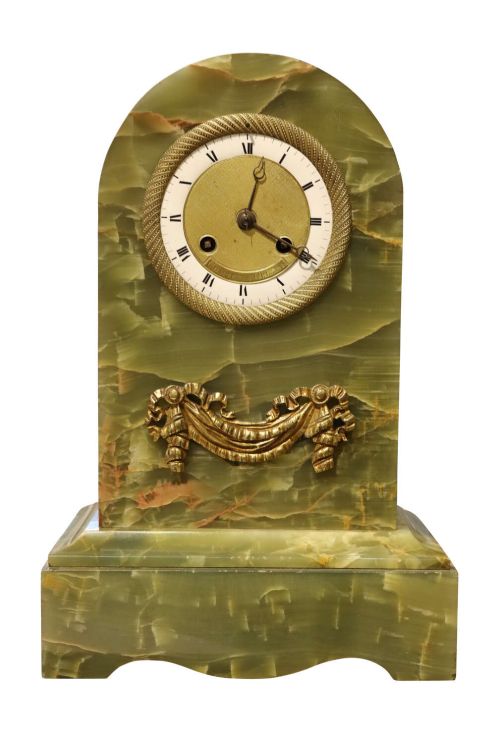
- Finely chopped and cast bronze that has undergone a mercury gilding process to produce a bright gold appearance. This material is widely used for decorative mounts on nineteenth-century furniture and clock cases.
- Gueridon
- A small round occasional table supported by a central pillar or multiple legs. These frequently feature marble tops framed by cast bronze galleries.
- Console table
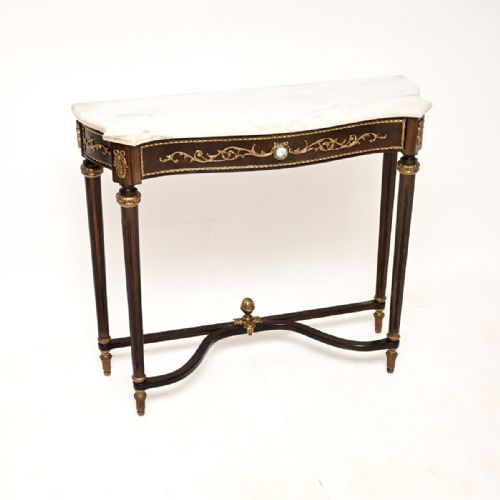
- A table designed to stand against a wall, often secured with brackets. They commonly combine marble surfaces with elaborate gilt bronze legs and aprons.
- Cassolette
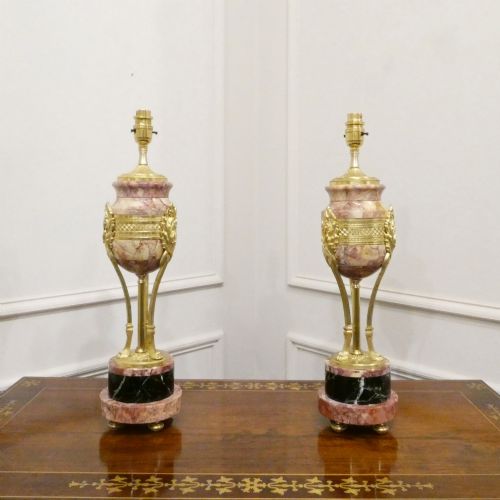
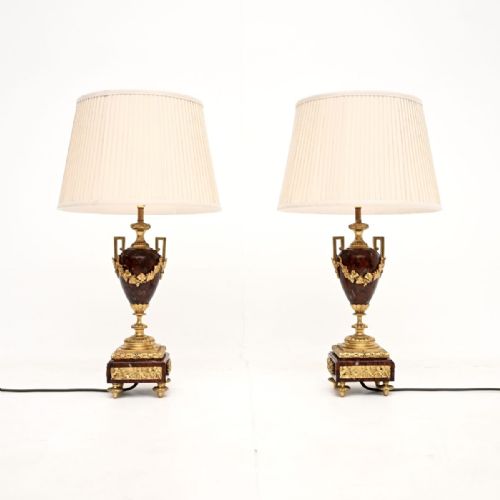
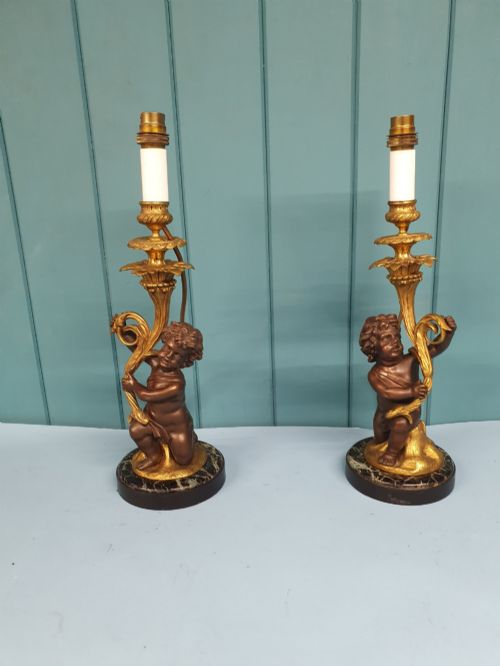
- A decorative vessel shaped like a vase, frequently adapted as a lamp in nineteenth-century interiors. They are turned from solid marble and fitted with removable ormolu lids.
- Bouillotte table
- A small circular card or occasional table featuring a raised brass gallery around the edge of the marble top. They typically include small pull-out candle slides beneath the rim.
Gilt Bronze Marble Table: Frequently Asked Questions
Are these tables sturdy enough for daily use?
Nineteenth-century console and centre tables are structurally heavy due to the dense stone slabs they carry. They safely support lamps, books, and decorative objects during everyday activities.
Take care not to sit or lean heavily on the edges, as the downward pressure can stress the joints where the frame meets the legs.
How do I distinguish Louis XVI style from Empire pieces?
Louis XVI style tables typically display straight tapering fluted legs, ribbon twists, and restrained classical leaf motifs. The overall geometry relies on symmetry, light proportions, and crisp architectural lines.
Empire pieces present heavier, more imposing forms drawing on ancient Roman and Egyptian motifs. You will see denser mahogany frames supported by claw feet, sphinxes, or heavy cast ormolu caryatids.
Can I place these tables on wooden floors?
The combined weight of the timber frame, marble slab, and bronze mounts makes these pieces exceptionally heavy. Placing protective felt pads beneath the feet prevents scratching on delicate wooden flooring.
Because the weight is substantial, ensure the floor level is even so the table does not rock and strain its structural joints.