
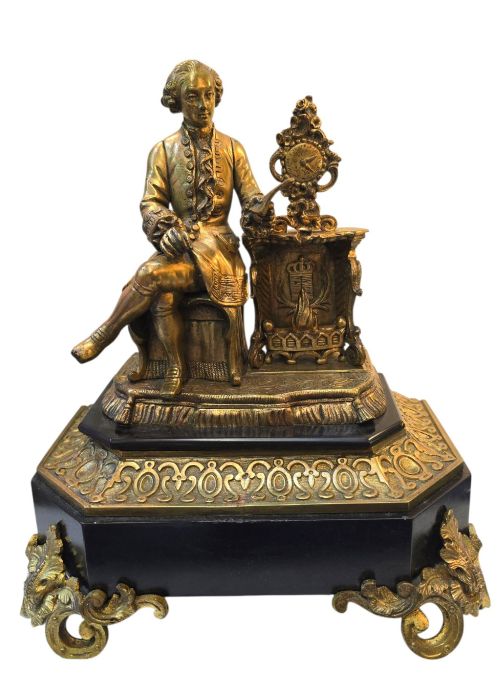
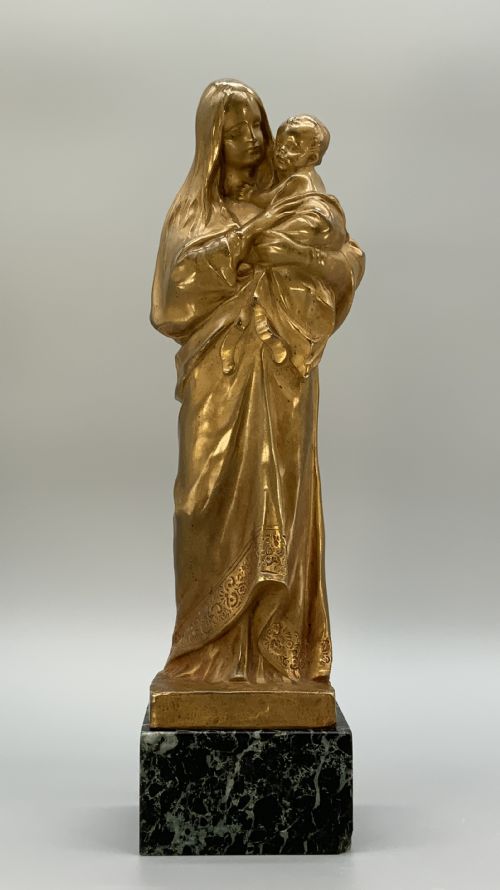
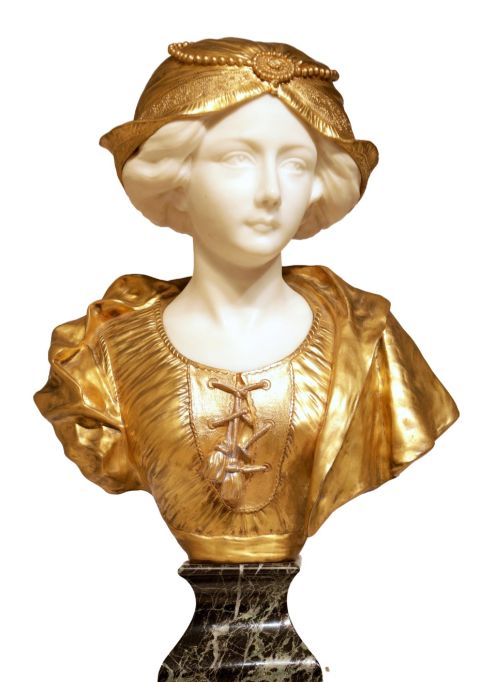
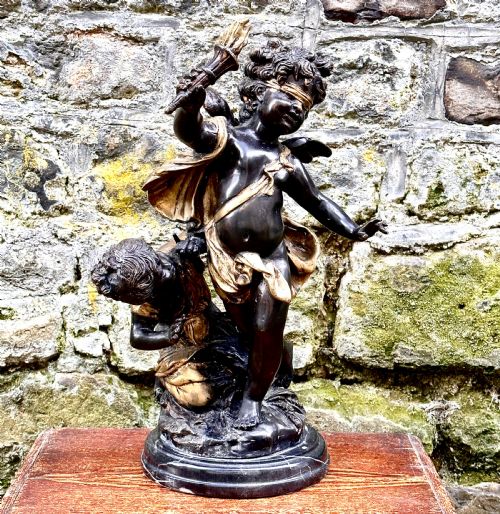




Gilt Bronze Marble Statue
Gilt bronze marble statue pieces combine cast metalwork with stone plinths and columns, drawing collectors who seek classical figures, animalier studies and decorative objects.
Gilt Bronze Marble Statue
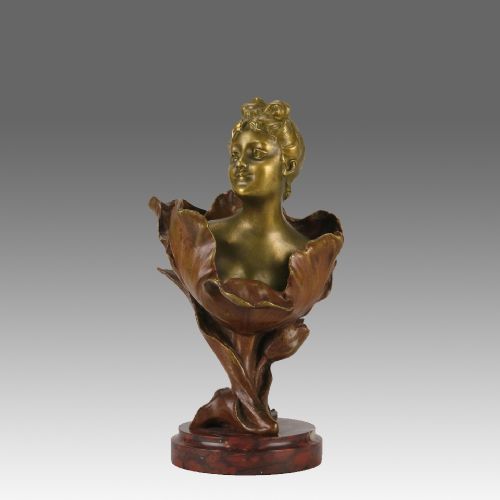
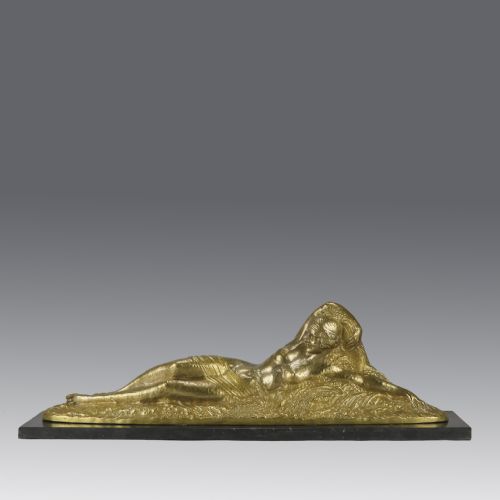
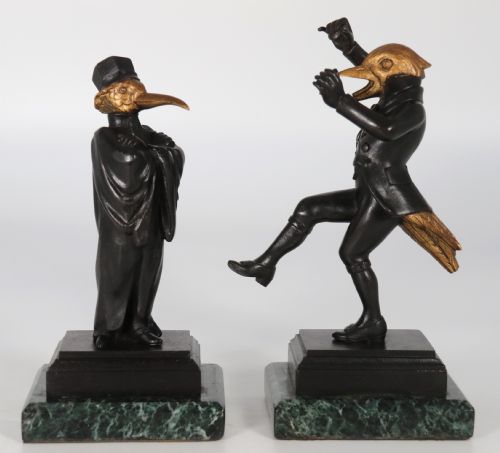
A gilt bronze marble statue brings together metal figures and stone bases, spanning subjects from classical mythology and allegorical figures to theatrical animals and dancers. Pieces range from small desk inkstands and figural table lamps to large pedestals and columnar supports.
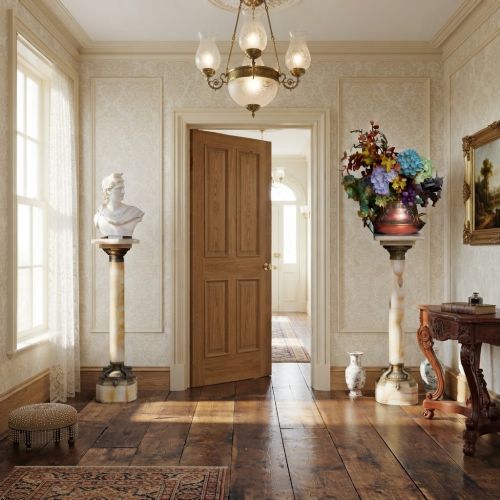
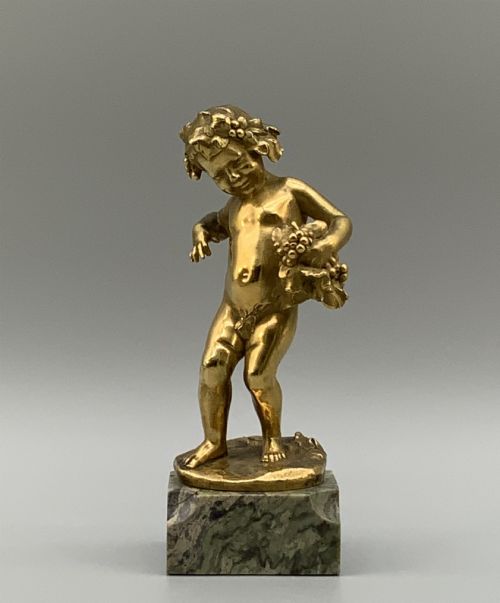
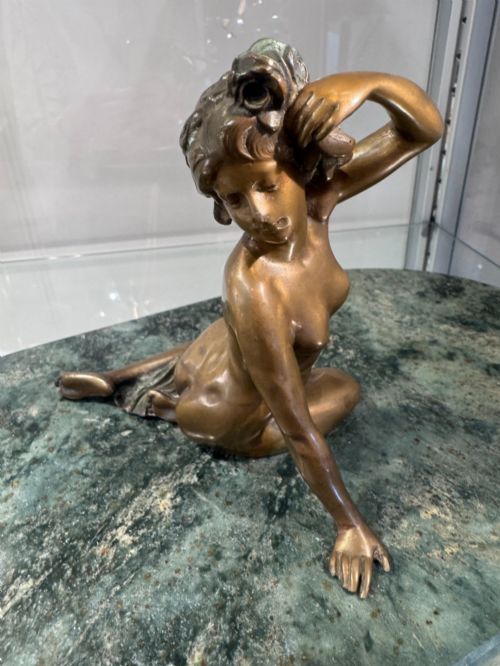
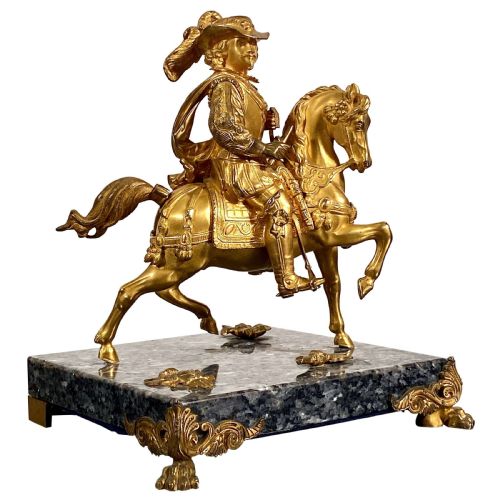
The version most commonly encountered on this page is the nineteenth century French figural bronze or ormolu statuette mounted upon a marble or onyx plinth. These works often show strong ties to neoclassical, Art Nouveau and Art Deco movements, capturing human figures or naturalistic subjects.
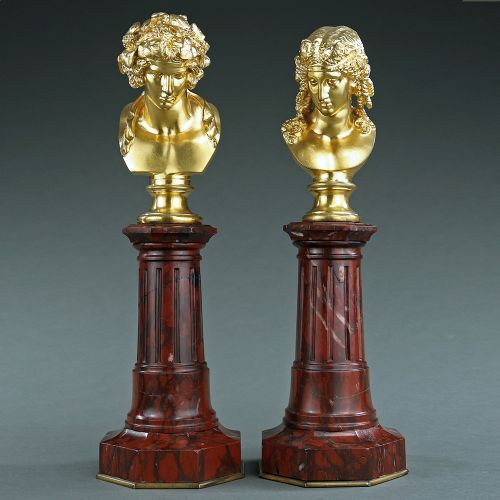
Makers and sculptors frequently signed these casts, pairing patinated or gilded metals with contrasting white, red or variegated marble bases. Collectors find examples that vary from provincial desk pieces to grand Grand Tour busts and dancer figures.
How they were made
Foundries produced these sculptures by casting bronze, ormolu, or gilded brass, applying chemical patination or mercury gilding to the metal surfaces. Skilled artisans then chased and polished the metal details by hand after casting.
Sculptures were firmly secured to bases or columns carved from natural stone materials including marble, red marble, and onyx. Fabric elements occasionally appeared in related lighting variants, though rigid stone and metal dominated production.
Listings feature items spanning the 1850s through the 1930s, encompassing Neoclassical, Art Nouveau, and Art Deco styles.
What varies in quality
The selection and density of the stone base heavily influence the overall character of an object. Dense, finely figured marble or richly veined onyx plinths complement heavy ormolu and bronze mounts more effectively than plain or fractured stone.
Charles Louis Malric·Susse Frères·Hans Müller·Affortunato Gory·Demetre Chiparus·Henri Godet·Carrier Belleuse·Paul Édouard Delabrièrre·Ernst Barrias·Vincenzo Gemito·Jean Jacques Pradier·Charlotte Monginot·G.V. Vaerenbergh·E. Laurent·Le Courtier·A. Marionnet·Jose Dunach
The Gilt Bronze Marble Statue Glossary
- Ormolu
- Gilt bronze produced by applying a mercury and gold amalgam to a bronze object before heating. This technique creates a durable, warm golden finish seen on nineteenth-century French mounts.
- Patina
- The surface coloration and sheen developed naturally over time or applied chemically to bronze. It enhances sculptural detail and protects the underlying metal.
- Grand Tour
- A traditional journey through Europe undertaken by upper-class travellers in the eighteenth and nineteenth centuries. Travellers frequently acquired small bronze busts and architectural models as souvenirs.
- Animalier
- A nineteenth-century artistic style focusing on realistic depictions of animals, particularly predators, horses, and birds in dynamic poses.
- Plinth
- A heavy block of marble, onyx, or stone acting as the base for a statue, bust, or column.
Gilt Bronze Marble Statue: Frequently Asked Questions
What subjects do these statues represent?
These works depict classical figures, mythological characters, dancers, and naturalistic animals such as lions and hounds. Busts of historical or allegorical figures also appear frequently.
Many pieces draw inspiration from classical antiquity, theatrical performance, and natural forms associated with the Art Nouveau and Art Deco periods.
How should I clean marble bases?
Marble surfaces require gentle dusting with a soft, dry cloth to prevent dirt accumulation in porous areas. Avoid abrasive cleaners or excess water.
Harsh chemical solvents can damage both the stone polish and the adjacent gilded bronze or ormolu mounts.
Are these pieces strictly decorative?
While most function as freestanding sculptures, statuettes, or architectural pedestals, some examples served practical roles. Items like inkstands, candlesticks, and table lamps integrate utility with sculpture.
Converted lamps retain their original sculptural bronze figures while incorporating electrical fittings added during later use.
How do I identify a nineteenth-century cast?
Nineteenth-century casts typically display rich patination, hand-chased surface details, and heavy mineral bases such as onyx or veined marble. Signatures or foundry stamps often appear directly on the metal base.
Examining the construction methods underneath the stone plinth helps distinguish period mounting techniques from later reproductions.