
Gilt Bronze Furniture
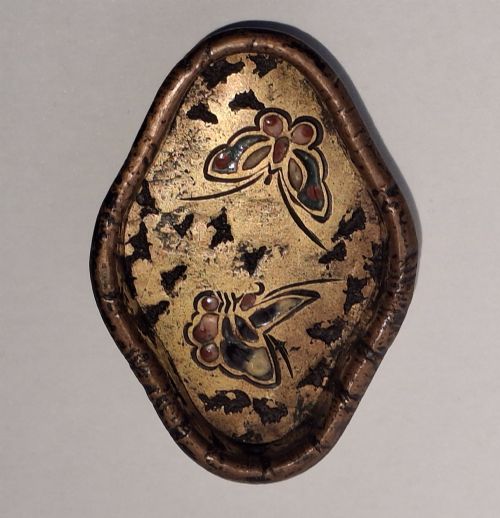
Gilt bronze furniture brings together rich timbers and cast metallic mounts to transform practical tables, desks and cabinets into decorative centerpieces.
Gilt Bronze Furniture
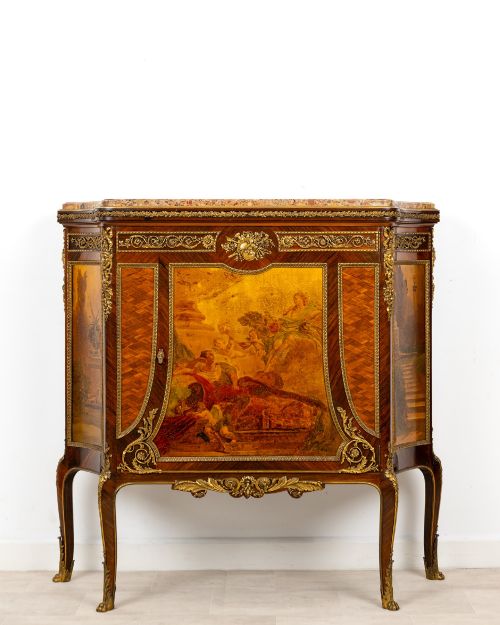
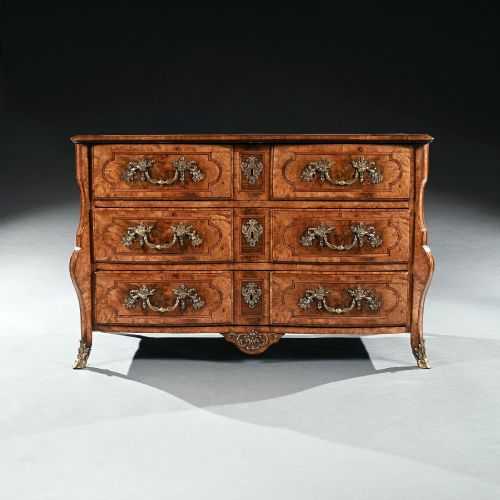
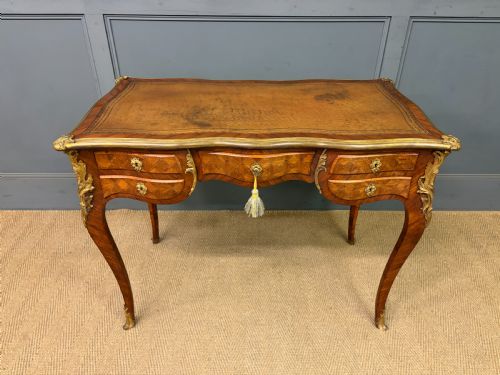
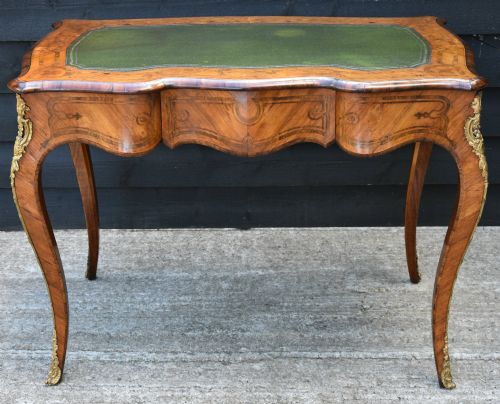
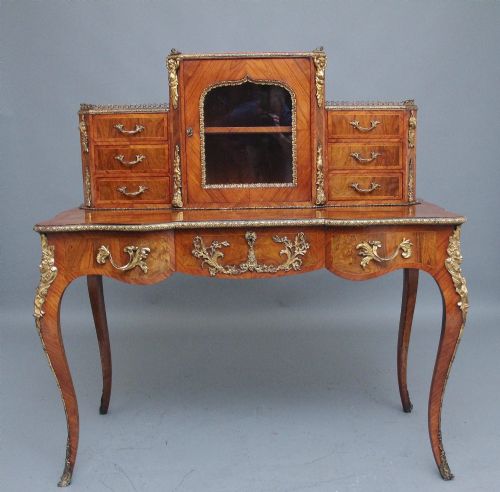
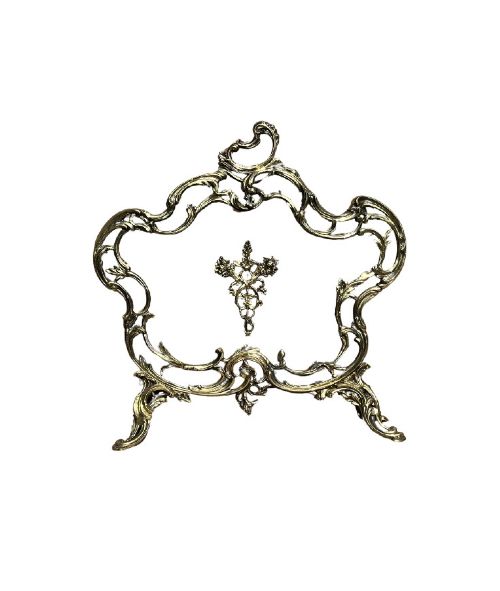
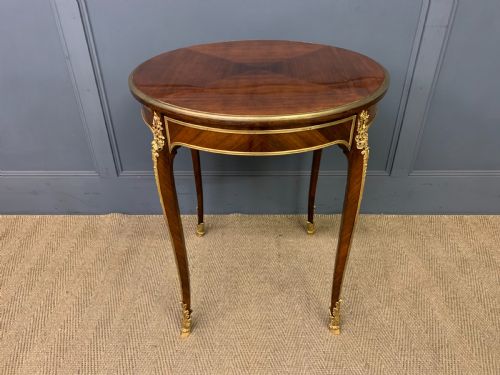
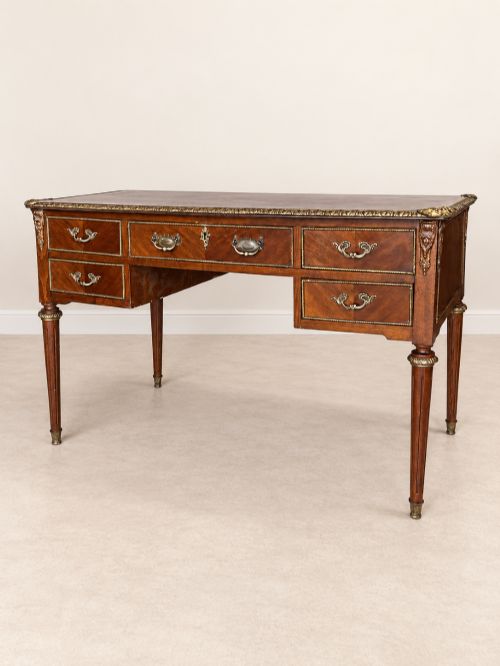
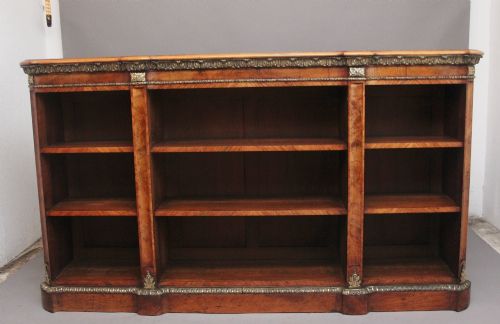
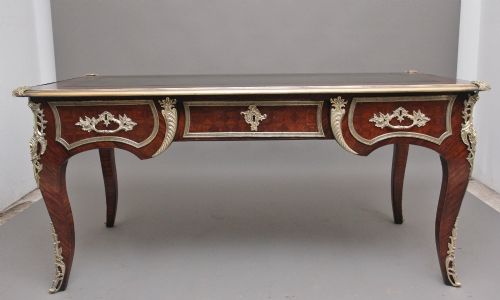
When you examine gilt bronze furniture, you are looking at wooden carcases and frames enriched with cast metallic mounts, handles and feet. These pieces range from writing desks and occasional tables to display cabinets and commodes.
The version you are most likely to meet on this page originates from nineteenth-century France, particularly in styles that revive the reigns of Louis XV and Louis XVI.
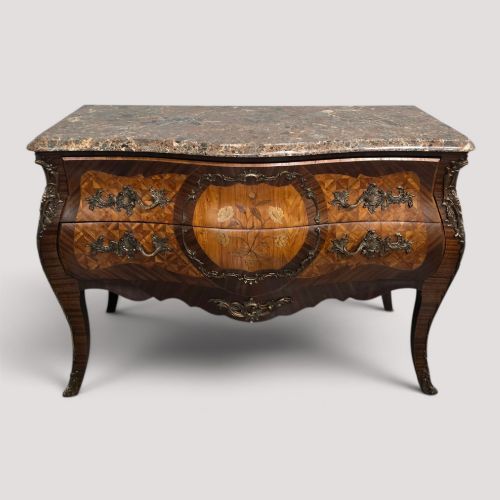
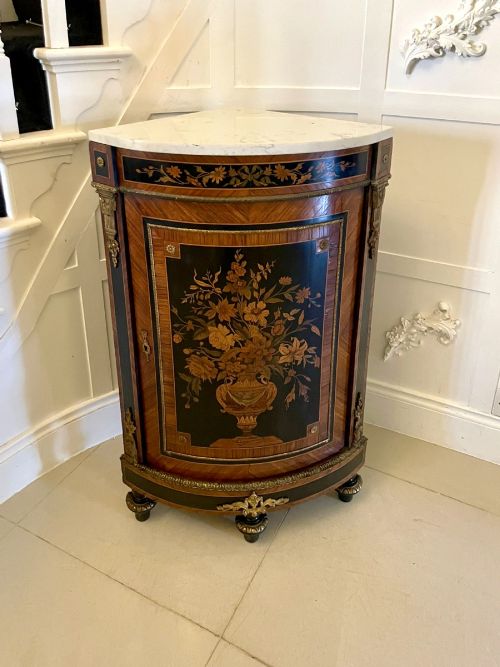
Makers integrated gilt bronze or ormolu mounts to highlight the structural lines of walnut, kingwood and mahogany, often pairing them with marble tops or parquetry panels.
Materials and construction methods
Cabinetmakers utilised dense timbers such as kingwood, mahogany, walnut and satinwood as the foundational carcase, frequently applying intricate marquetry or parquetry veneers across the surfaces.
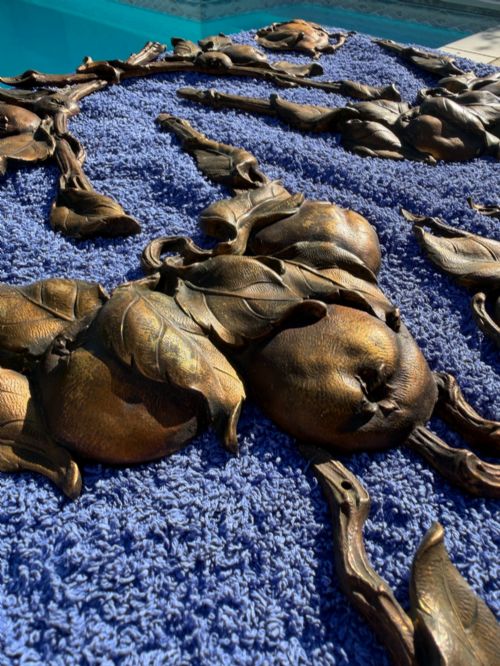
Metalworkers cast bronze details, then applied a fine layer of gold amalgam to achieve the distinctive ormolu finish that defines the mounts, appliques and handles.
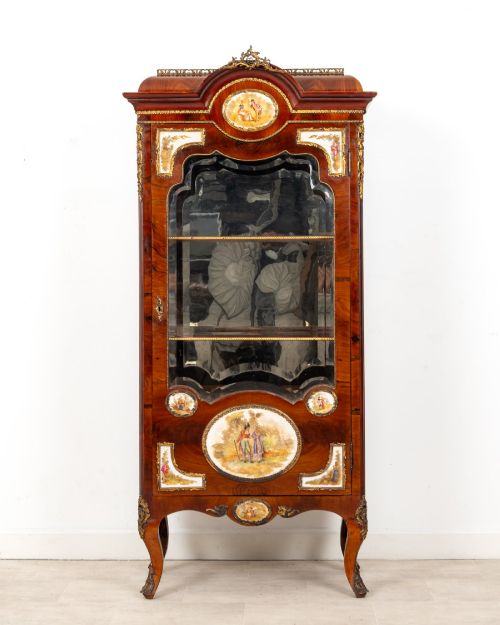
Craftsmen completed many of these functional forms with supplementary materials, incorporating glass panels for vitrines, inset leather for writing surfaces, and shaped marble slabs for table and cabinet tops.
Listings feature writing desks, display cabinets, and commodes created across the nineteenth century in various French revival styles.
Assessing craftsmanship and execution
The distinction between ordinary and exceptional pieces rests upon the crispness of the bronze casting and the depth of the subsequent chasing work on the mounts.
Superior items display precise timber selection, where marquetry and veneer patterns align harmoniously across drawers and doors rather than appearing haphazard.
The sophistication of the mechanical elements, from hidden drawer releases to smoothly operating drop-front desks, marks the difference in workshop standards.
Thomas Hache of Grenoble·Gillows·Johnstone And Jeanes·Maison Millet·Francois Linke·H. J. Hatfield And Sons·Henry Dasson·Krieger Paris·E. Kahn·Blake
The Gilt Bronze Furniture Glossary
- Ormolu
- Gilded bronze achieved through the application of a mercury and gold mixture to a cast bronze base, fired to leave a durable metallic gold coating. It was widely used for mounts on nineteenth-century French furniture.
- Marquetry
- The art of forming decorative patterns by fitting together thin slices of various coloured woods and veneers onto a carcase. It creates pictorial or geometric designs across tabletops and cabinet doors.
- Parquetry
- A geometric mosaic of wood pieces used for accenting floors or furniture surfaces. It commonly appears in cube or chevron arrangements on desks and commodes.
- Vitrine
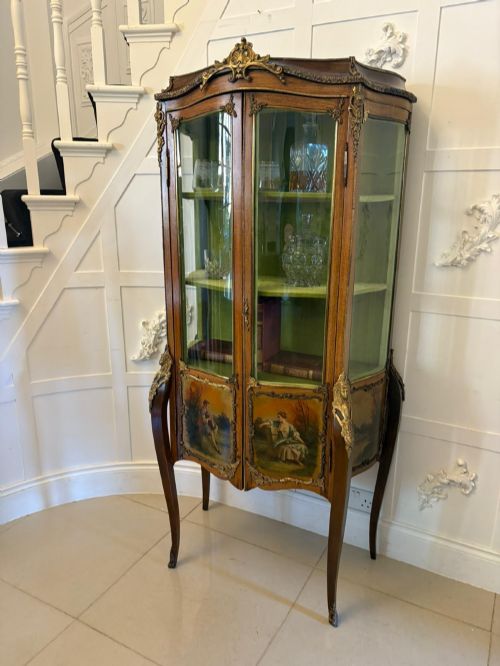
- A glass-fronted display cabinet designed for exhibiting porcelain, curiosities and small objects. These pieces often feature extensive ormolu mounts and marble tops.
- Vernis Martin
- A type of translucent, resinous varnish developed in eighteenth-century France to imitate Japanese lacquer. It is frequently found on the lower panels of revival display cabinets and commodes.
Gilt Bronze Furniture: Frequently Asked Questions
What is gilt bronze furniture?
These are wooden tables, desks, and cabinets decorated with cast bronze ornaments that have been gilded with gold. They combine structural woodwork with metallic embellishments.
Most examples date from the nineteenth century, reflecting revivals of earlier French court styles.
How do I clean ormolu mounts?
Ormolu requires gentle dusting with a soft, dry brush to prevent the accumulation of dirt in the recesses of the casting. Avoid harsh chemical cleaners or abrasive cloths that can strip the gold layer.
Professional conservation is recommended if the metal requires deeper cleaning or stabilization.
Where should I place these pieces?
These items function well as focal points in drawing rooms, studies, or hallways where their reflective mounts and polished timbers catch the light. Keep them away from direct sunlight and heat sources to protect the wood veneers.
Ensure that marble-topped commodes and heavy desks rest on level flooring to maintain the alignment of drawers and doors.
How can I tell the period?
Examine the construction methods inside the drawers, the types of secondary timbers used in the carcase, and the style of the bronze casting. Nineteenth-century revival pieces often utilise machine-sawn elements alongside hand-chased mounts.
Signatures or stamps on the bronze or wood can also provide direct attribution to specific workshops and makers.