





Gilt Bronze Decor
These gilt bronze decor pieces bring classical metalwork into domestic rooms, offering sculptural form and rich surface colour across candelabra, chenets and small ornaments.
Gilt Bronze Decor
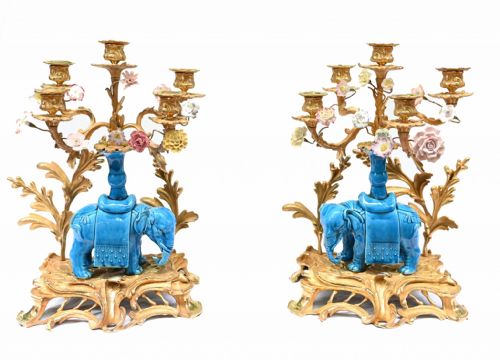
Gilt bronze decor encompasses domestic metalwork spanning the eighteenth, nineteenth and early twentieth centuries, drawing heavily upon French Empire, Regency and Neoclassical styles. Buyers examining gilt bronze decor encounter candlesticks, candelabra, fireplace accessories and furniture mounts originating from French, English and Italian workshops.
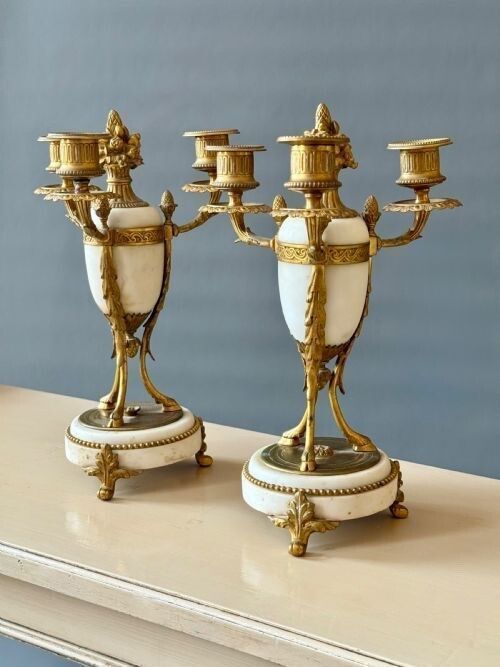
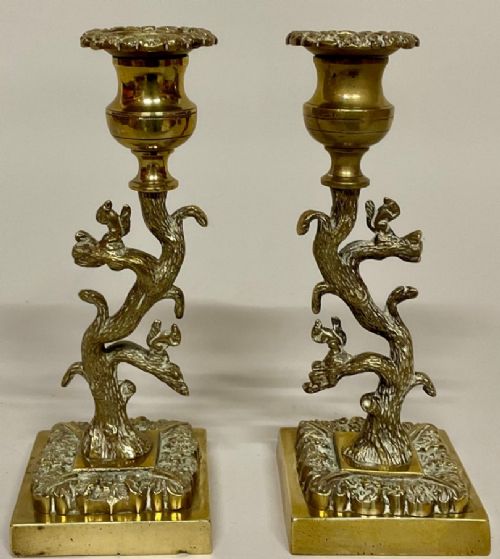
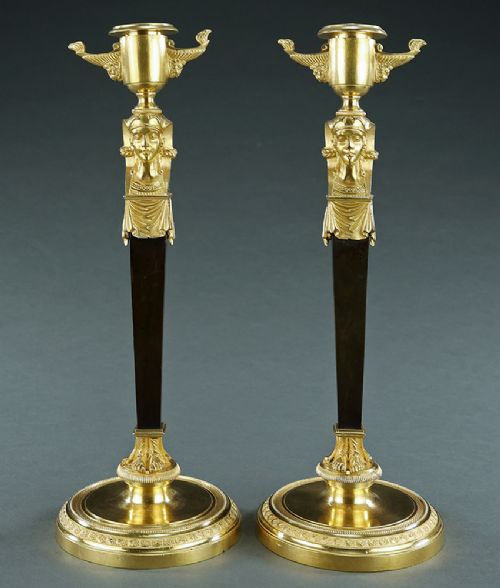
The nineteenth century provides the majority of surviving examples, often combining fire-gilded metal surfaces with contrasting white marble, onyx or patinated bronze elements. Candlesticks and candelabra dominate the selection, frequently taking the form of figural sculptures, architectural mounts or classical revivals.
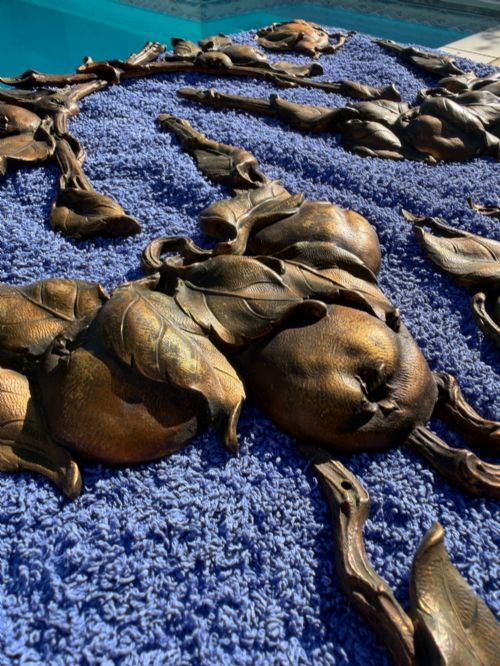
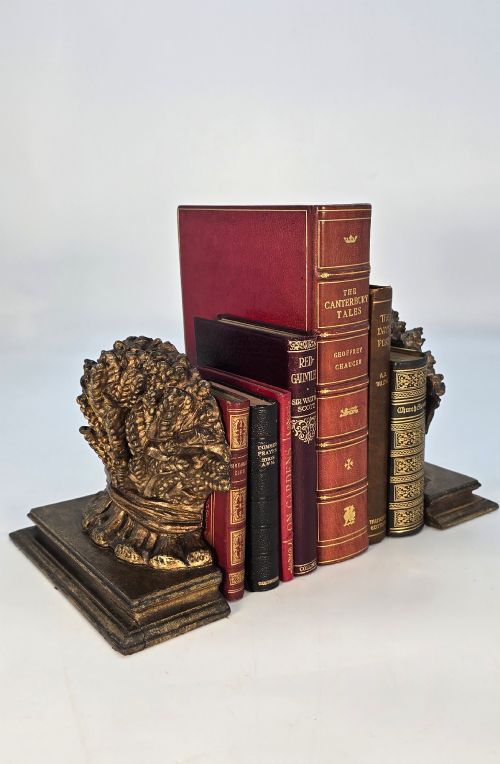
Pieces range from intimate desk objects like tazzas and bookends to substantial architectural fireplace fenders and chenets. The aesthetic leans toward formal ornamentation, utilising sculptural figures, mythological subjects and botanical motifs executed in heavy cast metal.
Materials and casting methods
Items rely upon bronze or brass as a primary cast metal base, shaped through traditional foundry methods to achieve crisp botanical and figural details. Artisans then applied mercury gilding or modern electroplating techniques to produce the characteristic golden surface known as ormolu.
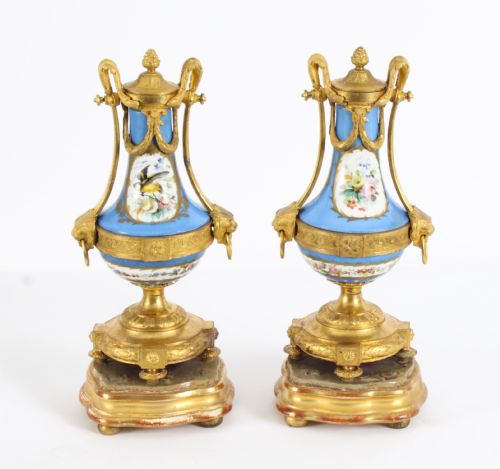
Many compositions integrate secondary materials such as white marble plinths, onyx bases, porcelain components and carved olive wood supports. Patinated bronze often appears alongside gilded sections to create tonal contrast in figural sculptures and candelabra.
Gilt Bronze Decor Retail Price Guide 2026
Typical asking prices for gilt bronze decor among the pieces listed under this phrase on Sellingantiques today, from the lower quarter to the upper quarter. They describe what is for sale here now, not the wider market.
Listings feature nineteenth-century French and English works, combining gilt bronze, marble, onyx and patinated bronze in neoclassical forms.
Assessing quality in cast metalwork
The integration of secondary materials like carved marble, onyx or porcelain dictates the overall balance and material cost of an object. Heavier, well-engineered assemblies demonstrate superior structural integrity in functional items like candelabra and fireplace fenders.
Poix Blin·E F Caldwell New York
The Gilt Bronze Decor Glossary
- Ormolu
- Gilded bronze produced by applying a mercury and gold amalgam to a bronze base and heating it. This historic technique creates a durable, warm metallic golden surface.
- Chenet
- An alternative term for a fire dog, placed at the hearth to support logs. These decorative metal fronts often match the style of associated fireplace fenders.
- Tazza
- A shallow cup or saucer raised on a stem and foot, used historically for display or serving. In decorative metalwork, these pieces function as decorative table objects.
- Patinated bronze
- Bronze that has been treated with chemical solutions to alter its surface colour, usually resulting in deep brown or greenish tones. This technique highlights sculptural contours when contrasted with bright gilding.
- Grand Tour
- Cultural travel undertaken by nineteenth-century Europeans to study classical antiquities. Souvenirs from these journeys included small bronzes, candlesticks and classical figures.
- Champlevé
- An enamelling technique where troughs are dug into a metal surface and filled with vitreous enamel paste before firing. This coloured decoration appears on desk accessories and decorative stands.
Gilt Bronze Decor: Frequently Asked Questions
How do I clean gilt bronze decor?
Gilt bronze requires gentle dusting with a soft, dry brush to prevent accumulation in recessed crevices. Avoid abrasive metal polishes, which strip the delicate gold layer from the underlying bronze.
Moisture can harm nineteenth-century marble or wood bases attached to the metalwork. Use only a slightly damp cloth for stubborn marks, ensuring the surface dries completely afterwards.
Were these pieces purely decorative?
Many objects served practical domestic functions alongside their aesthetic purpose. Candlesticks and candelabra provided essential illumination before electric lighting became common in homes.
Fireplace accessories like chenets and fenders managed burning wood and protected hearth surrounds. Desk items such as ink stands and tazzas organised correspondence and small personal belongings.
How can I tell the period?
Stylistic indicators such as French Empire or Egyptian Revival motifs point toward specific decades of production. Heavy neoclassical proportions and mercury-gilt surfaces typically suggest earlier nineteenth-century manufacture.
Examine the construction methods, screw types and wear patterns on the underside of bases. Factory marks or signatures from known firms like E F Caldwell help establish precise dates.
Why do some pieces combine bronze and marble?
Combining cast bronze with marble or onyx added visual weight and stability to tall objects like candelabra. Contrast between golden ormolu and white marble defined the Neoclassical taste popular during the nineteenth century.
Base materials also elevated smaller sculptures and desk items, making them appear more monumental. This mixed-media approach showcased the versatility of foundry workshops.