
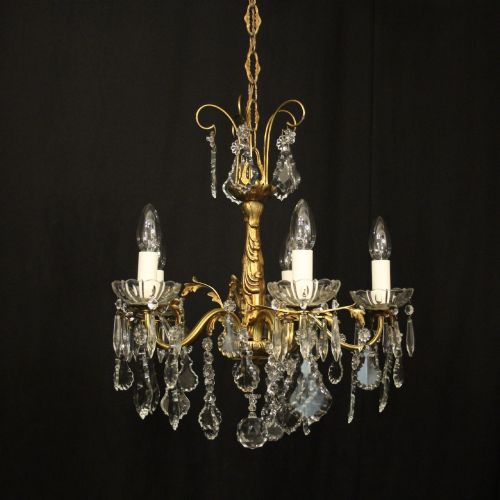
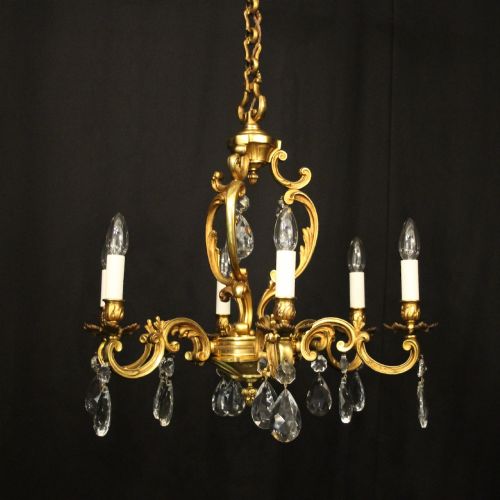
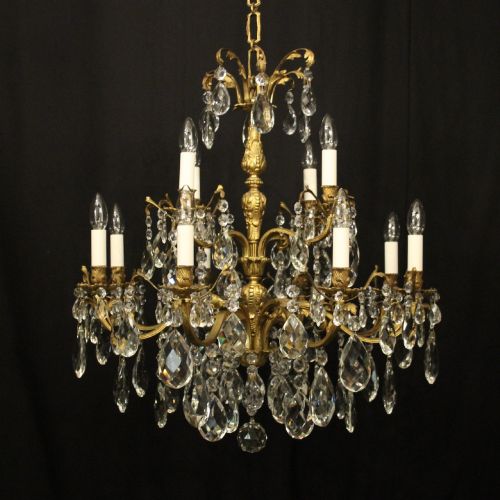
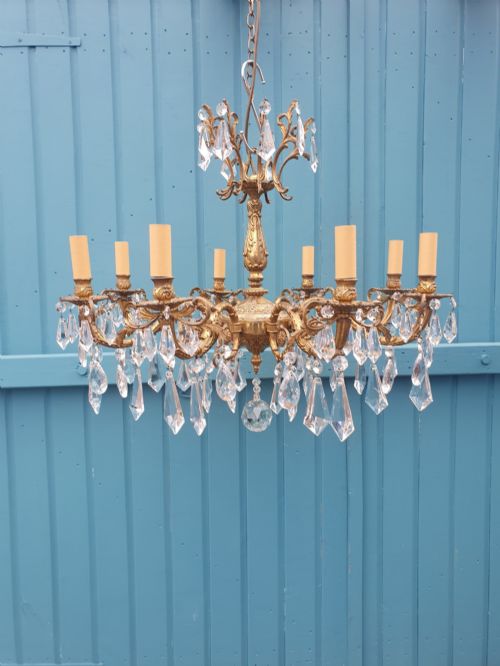

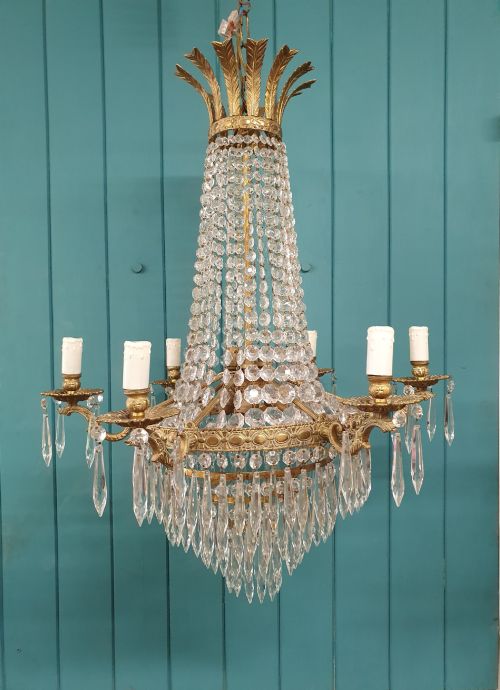
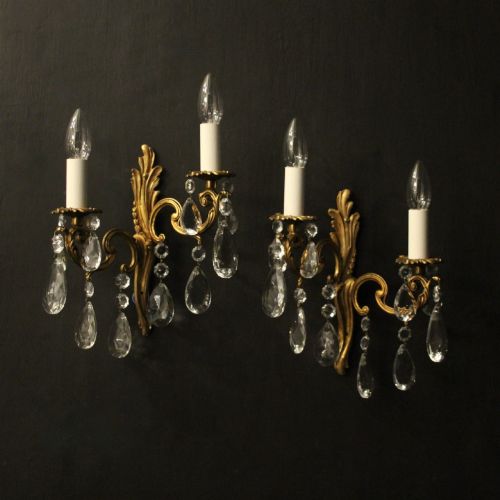
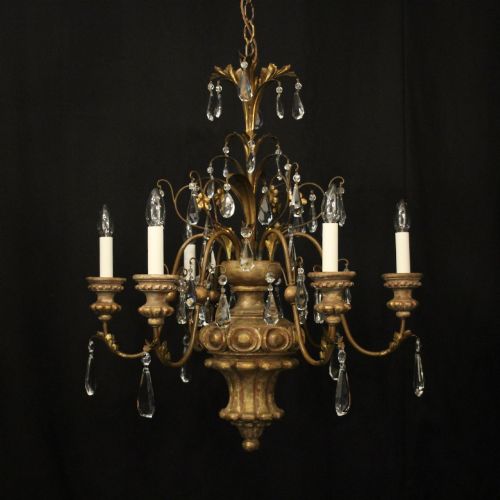
Gilt Bronze Crystal Lighting
Gilt bronze crystal lighting combines heavy cast metal with refractive glass drops, bringing weight and illumination to period interiors.
Gilt Bronze Crystal Lighting
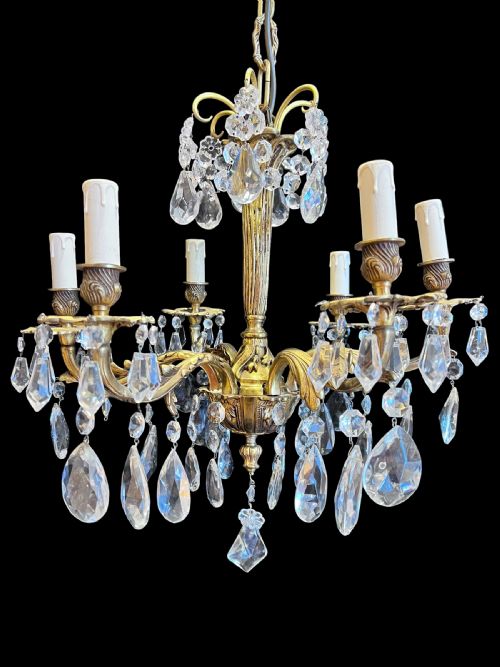
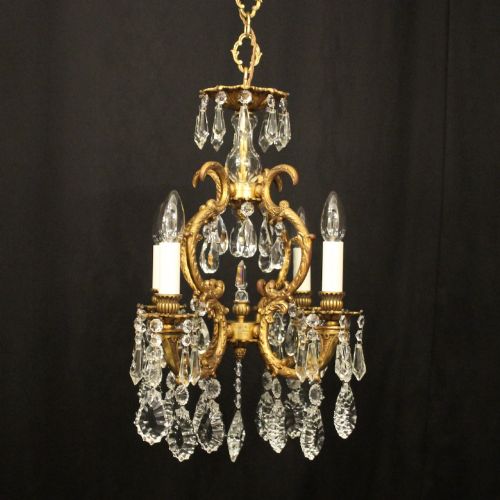
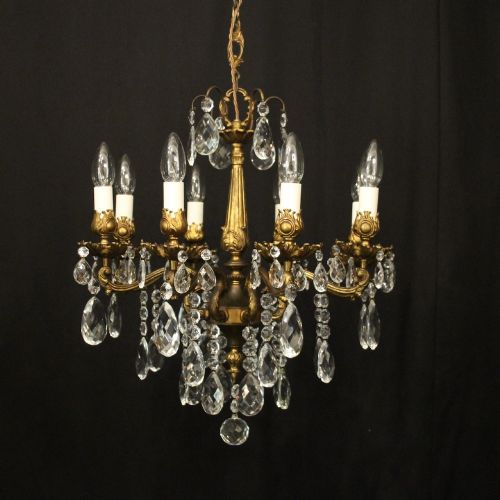
When you search for gilt bronze crystal lighting, you encounter ornate fixtures designed to catch and refract light through glass drops and metal frameworks. These objects span periods from the eighteenth century through the early twentieth century, with nineteenth-century and 1920s examples appearing frequently.
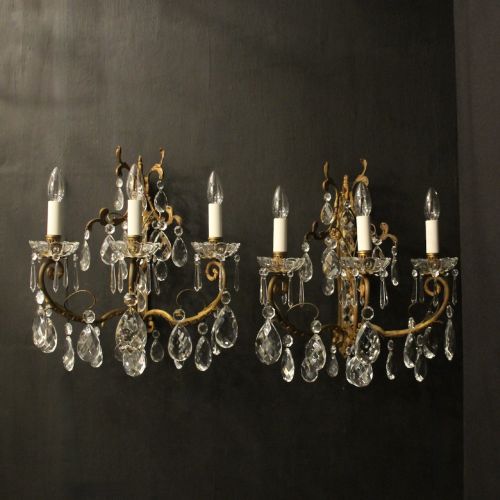
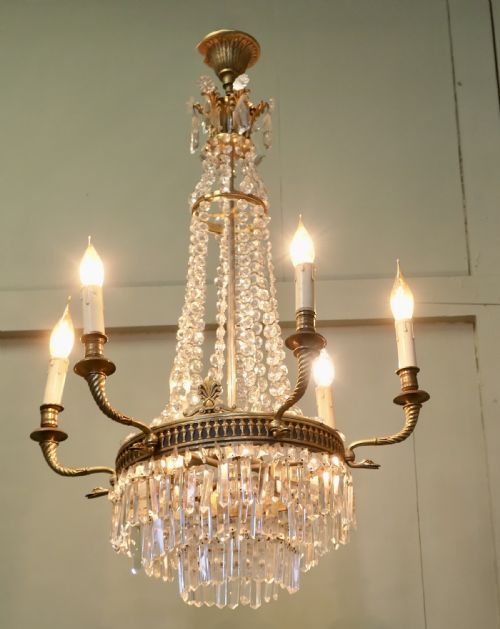
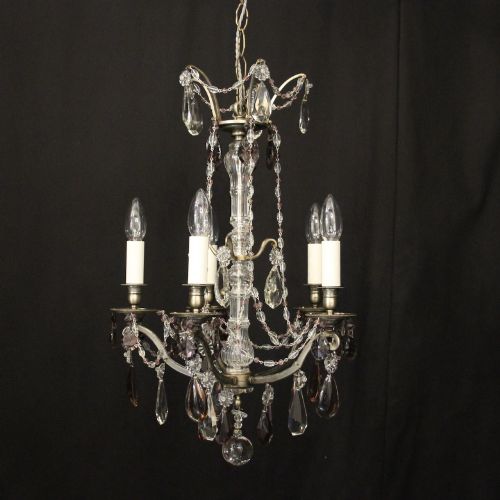
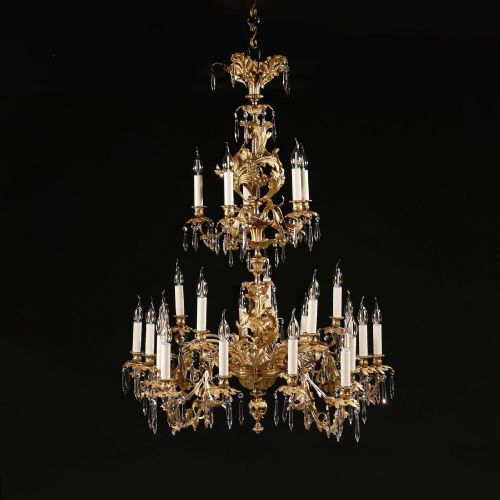
The selections on this page centre on chandeliers, wall lights, and table lamps originating largely from French and Italian workshops. Forms range from tent and waterfall chandeliers to paired wall sconces and candelabra.
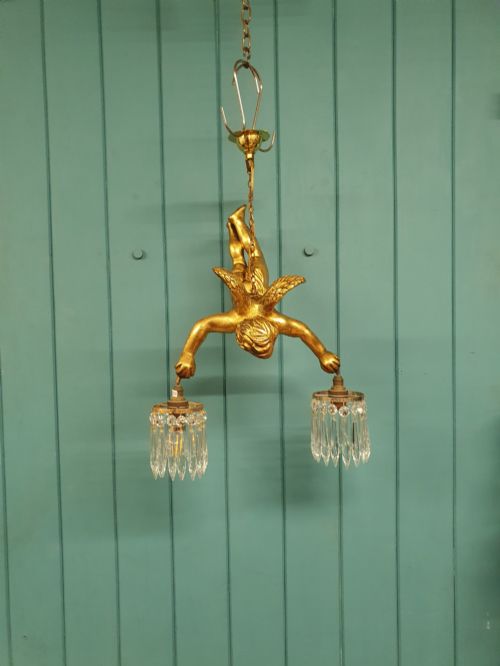
Makers and designers embraced styles including French Empire, Rococo Revival, and Florentine Baroque. Buyers find multi-arm hanging fixtures alongside smaller table lustres and candlesticks.
Materials and construction methods
Artisans built these fixtures using cast bronze, brass, and spelter, applying layers of gilt or ormolu to the metal surfaces. These metal mounts form the structural skeleton that supports the weight of the glass components.
Pendant drops, cascades, and hurricane shades are fashioned from cut crystal and glass, often shaped into spears, prisms, or beads. Metal pins and wire link the glass elements directly to the gilded frames.
Listings span periods from the 18th century through the 1930s, featuring glass, crystal, gilt bronze, and brass.
Assessing quality in period lighting
The refinement of the metal casting dictates the calibre of a piece, separating sharply chased bronze mounts from softer, simpler brass or spelter work. Superior examples display crisp relief on leaf decoration and figural elements.
The clarity and cut of the crystal components also divide the standard of execution, as hand-cut prisms refract light with greater brilliance than moulded glass. The integration between the metal armature and the hanging glass determines the overall harmony of the design.
The Gilt Bronze Crystal Lighting Glossary
- Gilt bronze
- Metal cast in bronze and coated with a thin layer of gold or gold-coloured alloy. This technique protects the underlying metal while providing a brilliant metallic sheen.
- Tent and waterfall
- A chandelier configuration featuring an upper conical section of glass strings dropping down to a wider circular band. Prisms cascade downward to diffuse the illumination.
- Lustre
- A decorative tabletop ornament or candlestick hung with glass pendants. These pieces capture ambient light even when unlit.
- Ormolu
- Finely chopped gold amalgamated with mercury and applied to bronze through heat gilding. This historical method creates a durable, rich golden surface.
- Spelter
- An alloy based on zinc, used as a less costly alternative to bronze for casting figures and frames. It takes gilding well but offers less structural weight.
Gilt Bronze Crystal Lighting: Frequently Asked Questions
Can these antique lights be rewired for modern use?
Most period fixtures arrive with modern electrical wiring or require professional rewiring to meet contemporary safety standards. Electricians can thread new cable through the central bronze channels without altering the exterior appearance.
LED candle bulbs work well within these designs because they emit minimal heat, protecting fragile historical sockets and glass drops.
How do I clean crystal drops without damaging the metal?
Remove hanging glass prisms individually and wash them in warm water with mild dish soap before drying them with a lint-free cloth. Leaving the drops attached risks chipping the crystal against the metal frame.
Wipe gilded bronze surfaces gently with a dry duster, avoiding harsh chemical cleaners that strip the historic gold finish.
What is the difference between a sconce and a wall light?
In historical terminology, wall lights and sconces both describe fixtures mounted directly onto vertical wall surfaces to hold candles or electric bulbs. The terms are often used interchangeably across nineteenth and twentieth-century French pieces.
Designs range from single-arm brackets to elaborate multi-arm wall chandeliers featuring cascading crystal drops.