


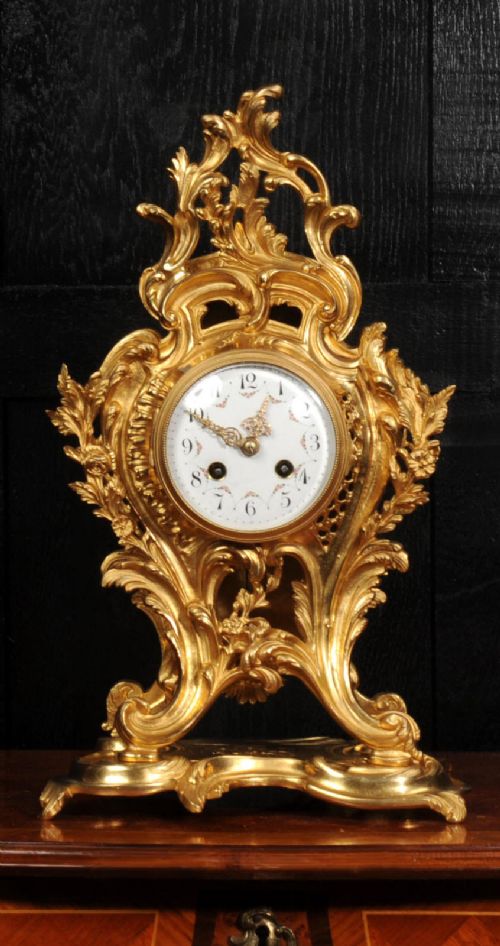


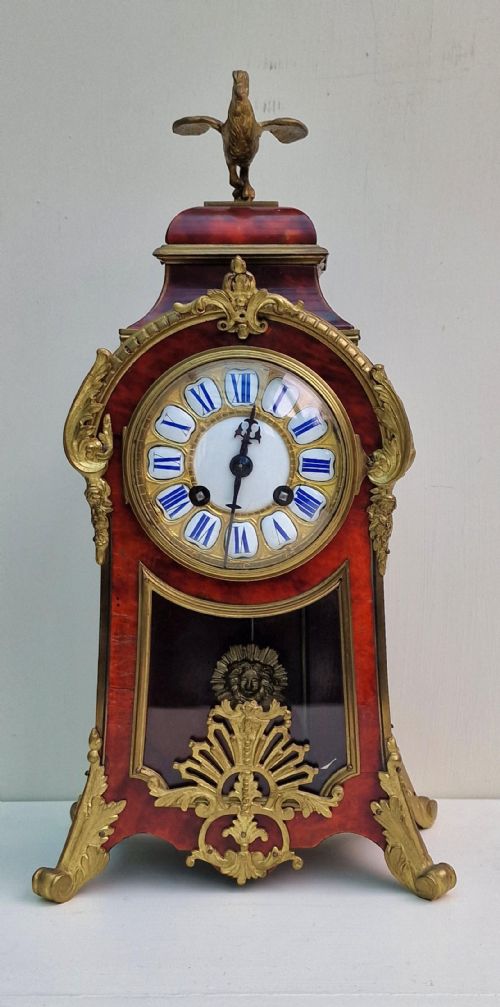


Gilt Bronze Bracket Clock
A gilt bronze bracket clock brings weight and intricate metalwork to a room, combining architectural presence with precise mechanical movement.
Gilt Bronze Bracket Clock
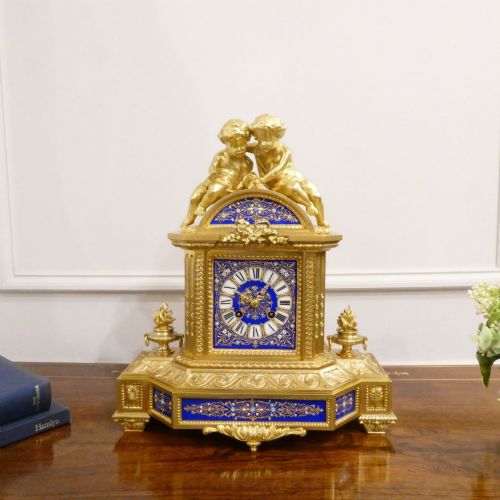
A gilt bronze bracket clock is a sophisticated timekeeper designed either to stand upon a dedicated wall bracket or sit directly on a mantelpiece. These pieces range from substantial four-glass table models to elaborate French rococo revival designs.
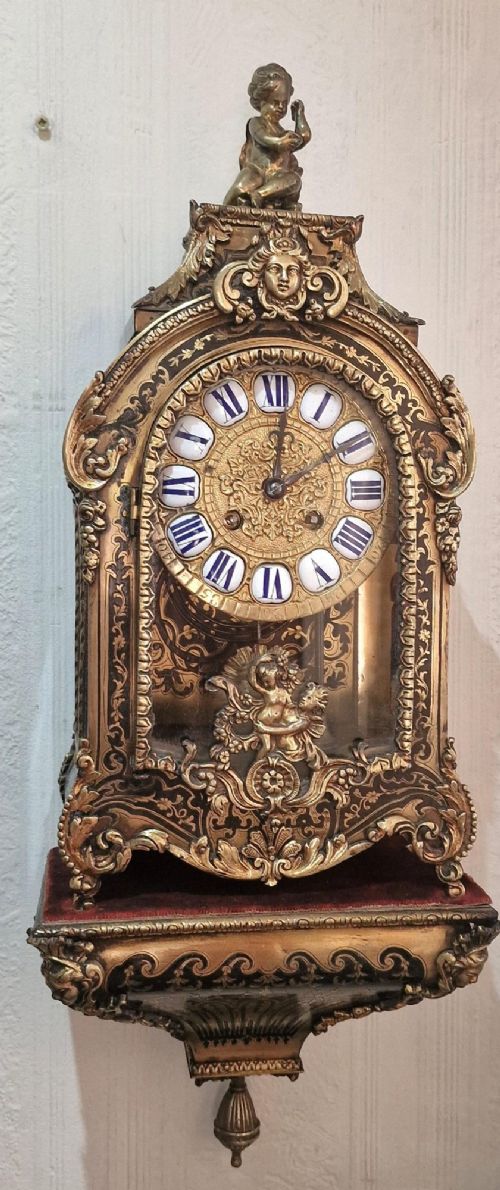
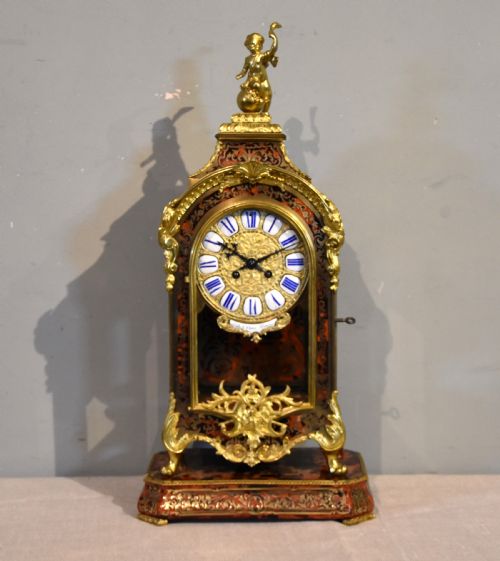
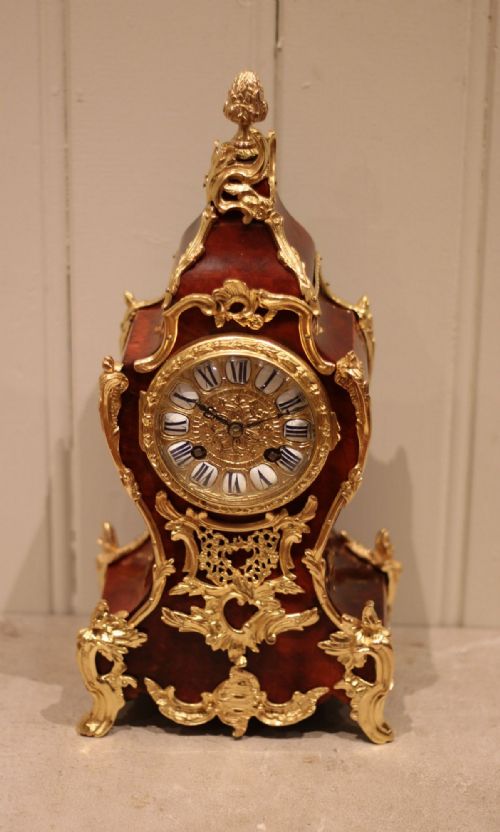
The pieces seen most frequently on this page date from the nineteenth century, particularly the Victorian and late Regency eras. Makers often adopted Louis XIV and Louis XV styles, incorporating ornate brass mounts and rich tortoiseshell finishes into the cases.
Markers of Quality
Superior examples display crisp, deeply chiselled detailing in the gilt bronze mounts, where the hand of the chaser remains visible in the sharp edges of the acanthus leaves and scrolls. Lesser pieces rely on softer, shallower cast work with minimal hand finishing.
The complexity and reputation of the movement maker dictate the standing of the clock. Signed movements by notable makers, particularly those featuring twin fusee or quarter-chiming configurations, separate standard production items from masterworks.
Gilt Bronze Bracket Clock Retail Price Guide 2026
Typical asking prices for gilt bronze bracket clock among the pieces listed under this phrase on Sellingantiques today, from the lower quarter to the upper quarter. They describe what is for sale here now, not the wider market.
Listings feature periods spanning from the eighteenth to the twentieth century, with nineteenth-century French ormolu and tortoiseshell boulle bracket clocks dominating the selection.
Henri Marc of Paris·Leon Message·Jollet et Cie·William Payne·Samuel Marti·Lenzkirch·Payne and Co·Le Roy and Fils
The Gilt Bronze Bracket Clock Glossary
- Boullework
- An elaborate form of marquetry employing brass and tortoiseshell inlaid in counterchanged patterns. It was popularised by André-Charles Boulle in seventeenth-century France and revived extensively during the nineteenth century.
- Ormolu
- Gilded bronze produced by applying a mixture of mercury and gold leaf to a cast bronze object and heating it until the mercury vaporised. The resulting finish provides a deep, matte golden lustre.
- Fusee
- A conical grooved pulley used in spring-driven clocks to equalise the torque of the mainspring as it unwinds. This mechanism ensures consistent power delivery to the gear train for greater accuracy.
- Champlevé
- An enamelling technique where troughs or cells are hollowed out of the metal surface and filled with vitreous enamel before firing. It frequently appears on dials and architectural bezels of the period.
Gilt Bronze Bracket Clock: Frequently Asked Questions
What is a bracket clock?
A bracket clock is a portable mechanical timekeeper originally constructed with a matching wall bracket to support its weight. Over time, many of these clocks lost their brackets or were placed directly onto mantelpieces and furniture.
They typically feature spring-driven movements rather than hanging weights, allowing them to be moved between rooms without disrupting the pendulum.
How do I wind a fusee movement?
Winding requires a dedicated key inserted into the dial winding square, turning it gently until resistance indicates the mainspring is fully tensioned. Care must be taken not to overwind antique mechanisms, which can strain the delicate brass teeth.
Most nineteenth-century examples require weekly winding to maintain accurate timekeeping across the gear train.
Are these clocks suitable for daily use?
Many nineteenth-century clocks continue to run reliably when serviced by a professional horologist who understands antique escapements. Regular oiling and occasional cleaning of the brass pivots ensure the mechanism operates without excessive wear.
Placement away from direct sunlight and draughty doorways helps protect delicate tortoiseshell veneers and gilded surfaces from environmental stress.
How can I tell a revival piece from an older one?
Examination of the internal movement components and the method of casting often reveals the true age of the piece. Nineteenth-century revival clocks frequently display machine-toothed wheels and standardised French movement stamps rather than hand-cut seventeenth-century components.
The quality of the fire-gilt or ormolu mounts and the wear patterns on the wood carcase also provide clear indicators of period manufacture.