

Gilt Brass Cherub
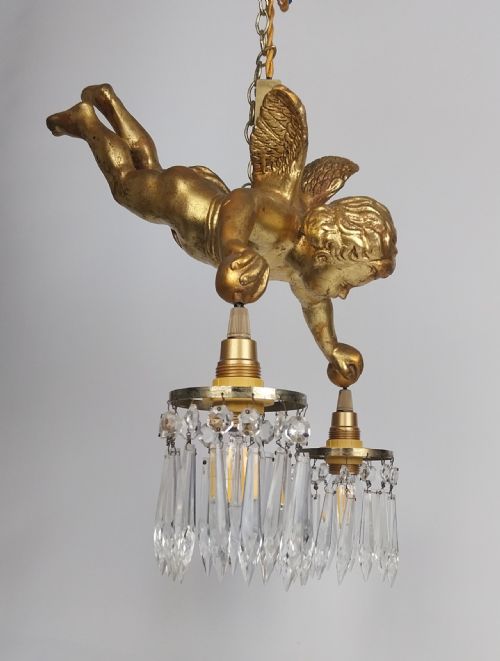
These gilt brass cherub pieces bring sculptural warmth to an interior through cast metal figures and period illumination.
Gilt Brass Cherub
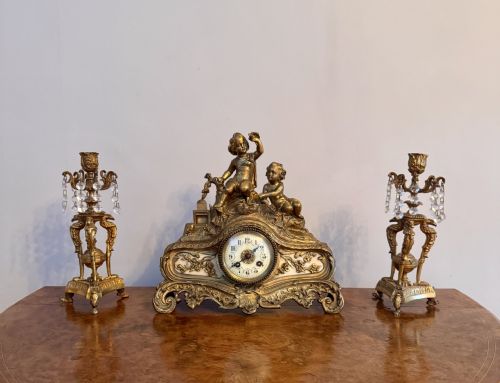
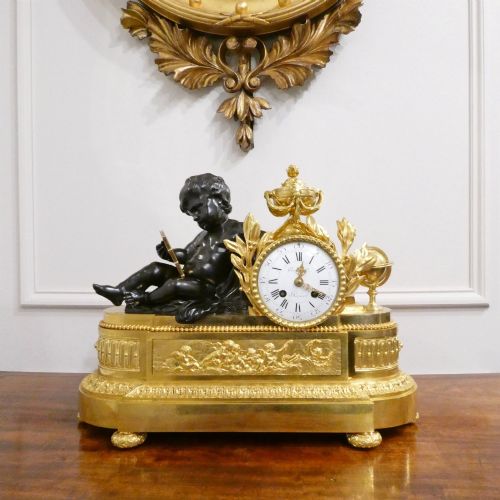
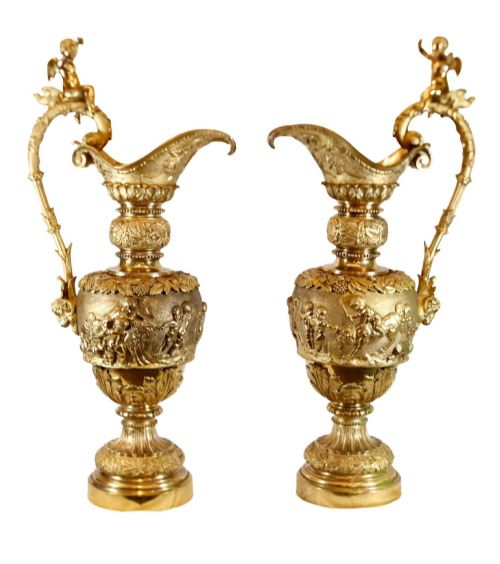
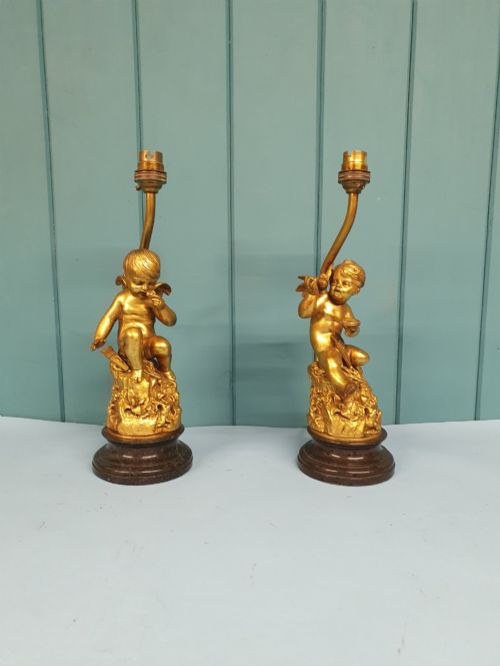
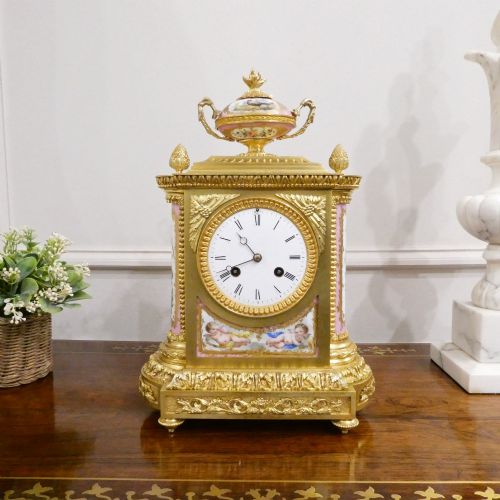
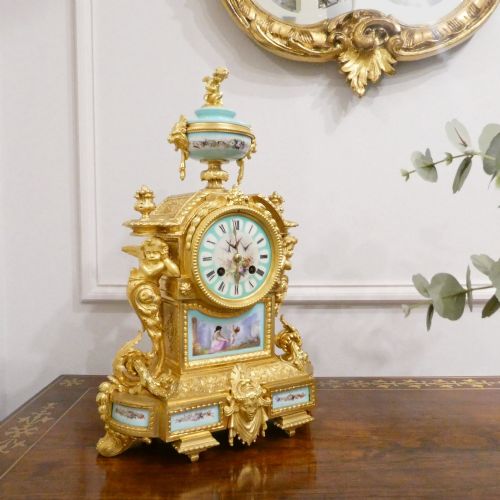
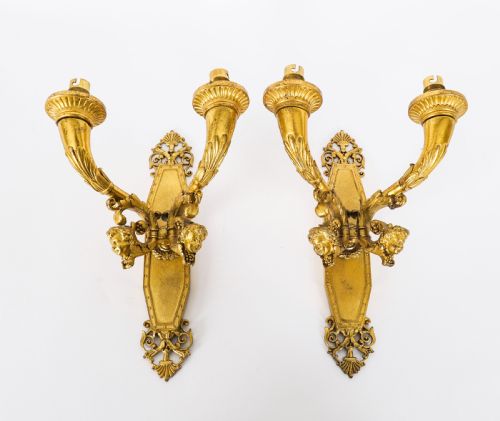
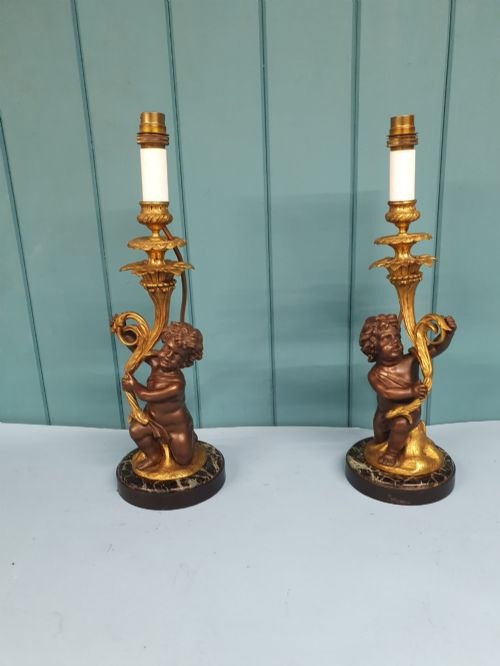
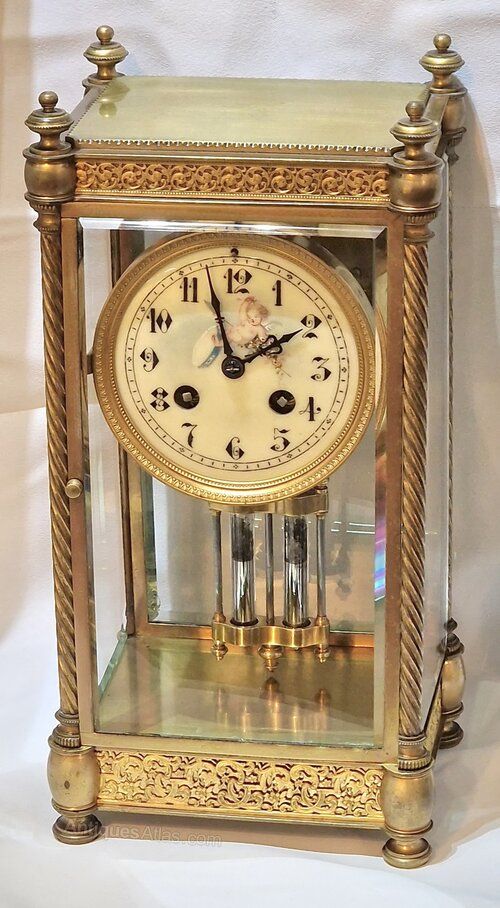
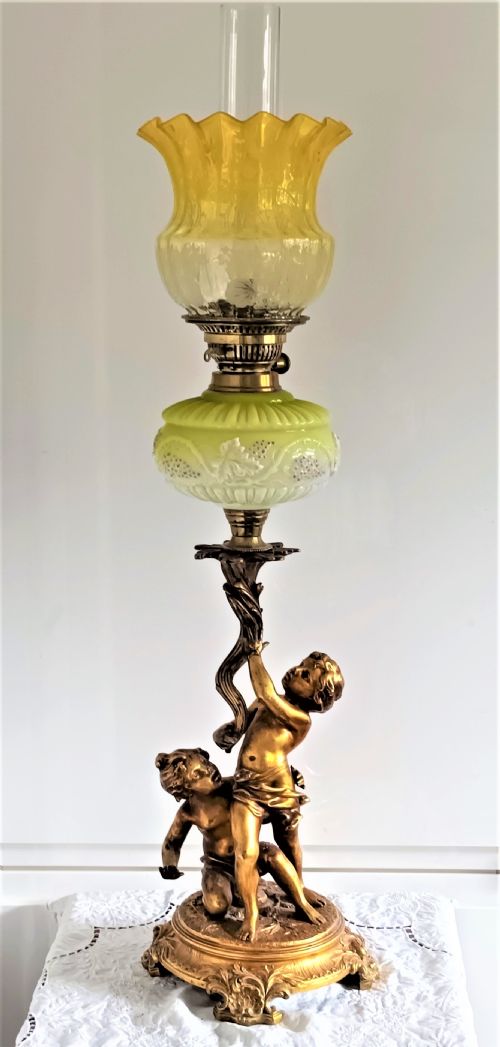
A gilt brass cherub search brings up decorative objects and furnishings cast in copper alloys and finished with gold-toned surfaces, most frequently encountered as figural lighting and mantel clocks from the nineteenth century.
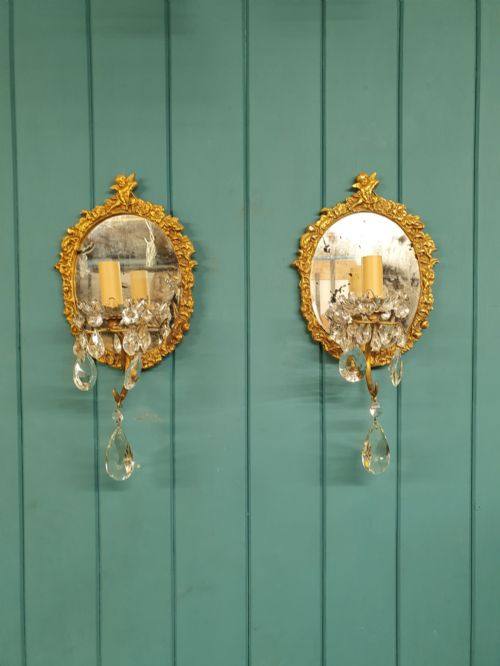
French workshops produced many of the wall lights, candelabra and clocks seen here, often working within Rococo and Empire revival styles that placed winged putti among scrollwork and foliage.
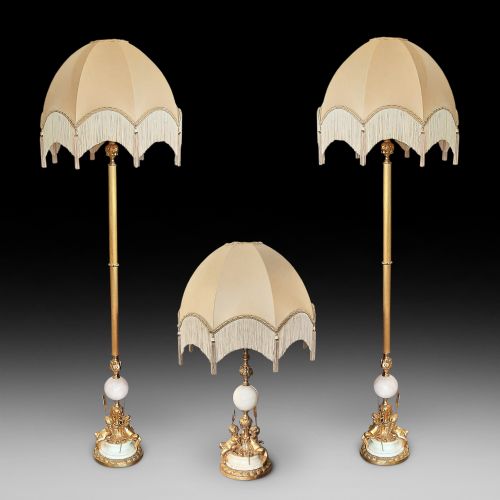
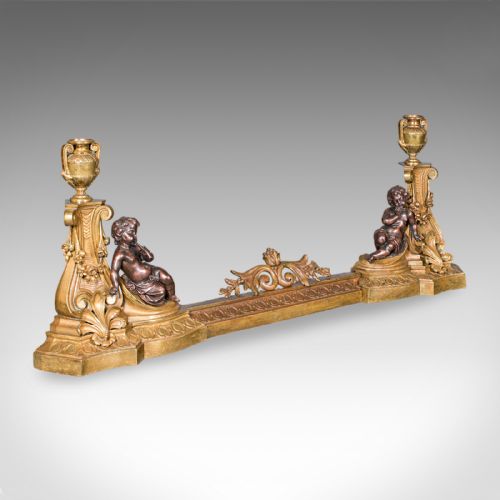
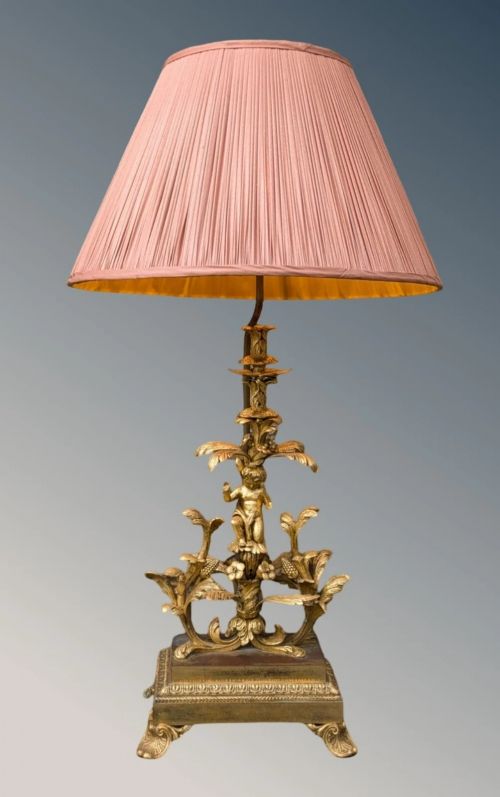
Domestic hardware and functional items such as andirons, mirrors and table lamps also incorporate these winged figures, spanning periods from the 1800s through the early twentieth century.
Materials and Construction
Foundry work relied on casting brass, bronze or ormolu, a high-zinc bronze amalgamation gilded with mercury or gold leaf to achieve a durable metallic sheen.
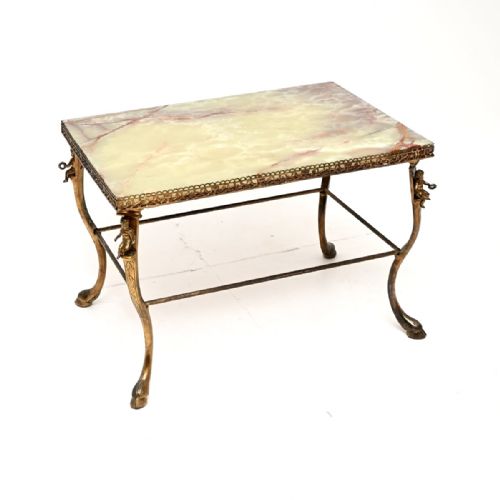
Secondary materials such as marble bases, porcelain dials, onyx panels and hand-blown glass often complemented the metalwork in clocks and lighting assemblies.
Individual components were joined mechanically with pins and screws or assembled using chased surface details refined by hand after the initial casting process.
Gilt Brass Cherub Retail Price Guide 2026
Typical asking prices for gilt brass cherub among the pieces listed under this phrase on Sellingantiques today, from the lower quarter to the upper quarter. They describe what is for sale here now, not the wider market.
Materials span raw brass, ormolu, carved alabaster, coromandel-wood, and white marble plinths across the nineteenth century.
Distinctions in Quality
The precision of the chasing and the depth of the metal relief distinguish finer castings, where feathers and facial expressions retain crisp definition rather than soft, rounded edges.
The integrity of the original fire gilding or ormolu surface determines much of the visual character, separating pieces with preserved warm lustres from those with worn or over-polished finishes.
Substantial weight and the use of integrated marble or slate plinths indicate higher-tier manufacturing standards typical of documented Parisian horological and foundry houses.
Jean-Baptiste Delettrez·Samuel Marti·Le Roy, Paris
The Gilt Brass Cherub Glossary
- Ormolu
- A gilded bronze or brass surface treatment created by applying a gold amalgam to the base metal. This technique was widely employed by French makers during the eighteenth and nineteenth centuries to achieve a rich golden finish.
- Putto
- A plump, winged child figure derived from classical art and frequently depicted in Renaissance and revival decorative schemes. They appear often on clocks, wall lights and firedogs.
- Candelabra
- A branched lighting fixture designed to hold multiple candles. Antique examples often incorporate figural bronze supports.
- Chasing
- The manual tooling of metal surfaces with punches and hammers after casting to refine details such as hair, drapery and foliage. High-grade work shows distinct tool marks under magnification.
- Chenet
- A decorative firedog placed at the front of a hearth to support logs. French examples frequently integrate cast brass or bronze cherubs.
Gilt Brass Cherub: Frequently Asked Questions
How do I clean gilt brass?
Dust gently with a soft, dry brush to prevent the accumulation of grit in recessed areas. Avoid abrasive polishes that can strip thin historic gilding layers from the underlying brass or bronze.
Moisture should be kept away from organic or porous companion materials like marble or painted porcelain dials during maintenance.
Are these clocks still operational?
Many period mantel clocks retain their original mechanical movements, though antique clockwork often requires professional servicing to ensure accurate timekeeping. Pendulums and keys should be secured before relocating any timepiece.
Some examples function as decorative ornaments or have been adapted for modern interior settings.
How are wall lights mounted safely?
Wall lights and sconces require secure anchoring to wall studs or appropriate structural wall fixings due to the substantial weight of cast bronze and brass assemblies. Professional installation ensures that electrical wiring meets current safety standards.
Weight distribution across the backplate must be verified prior to hanging.
What defines the French Empire style?
The French Empire style draws heavily on classical antiquity, featuring formal symmetry, military motifs and mythological references alongside gilt bronze mounts. Pieces from this tradition emphasise architectural dignity and restrained ornamentation.
Cherubs in this context frequently appear alongside martial trophies or classical drapery.