







Gillows Wine Table
These gillows wine table pieces combine fine cabinet-making with compact utility, offering collectors an elegant surface for a glass or lamp.
Gillows Wine Table
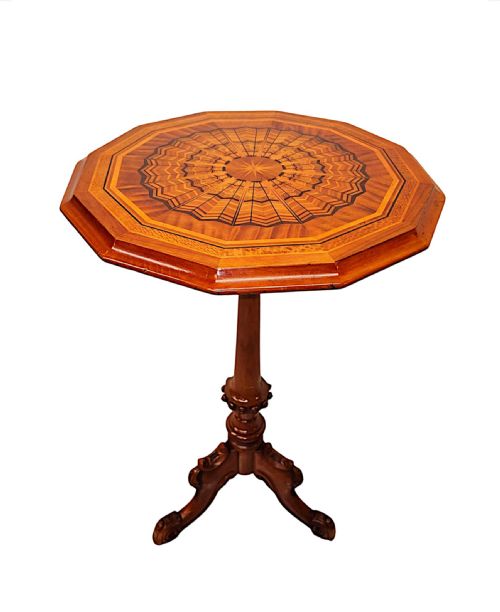
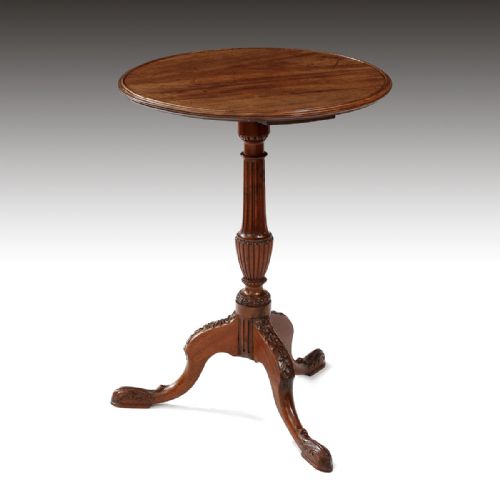
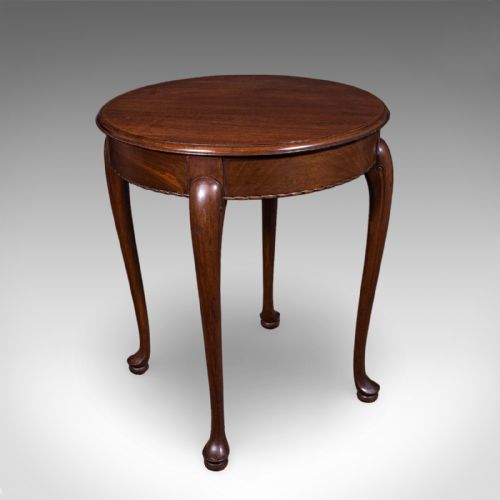
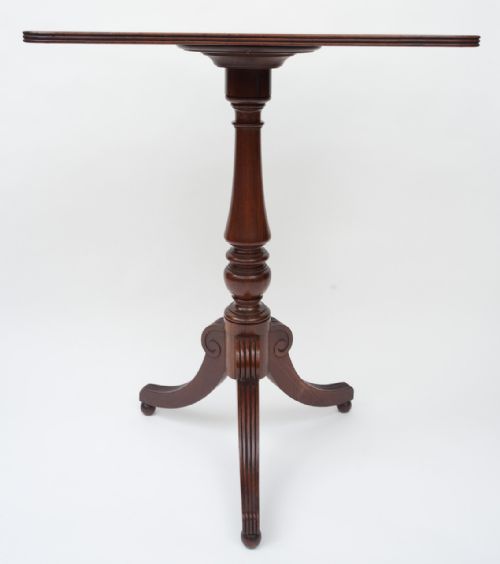
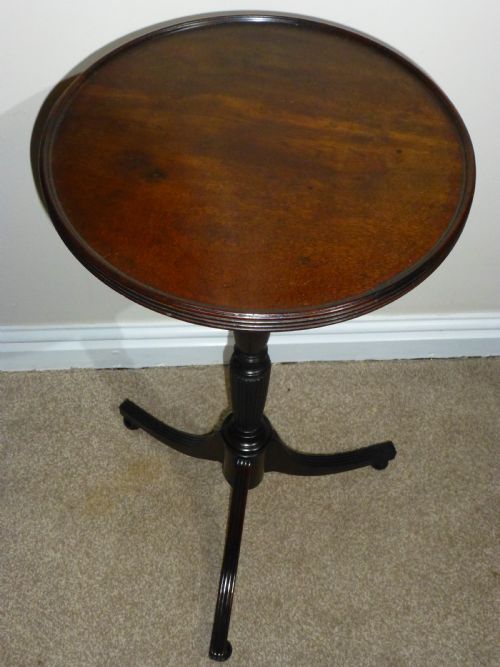
A gillows wine table is a compact item of antique furniture designed for the home, typically featuring a single central pillar supported by three feet. These pieces range from restrained George III and Regency examples to later Victorian, Edwardian, and William IV variations.
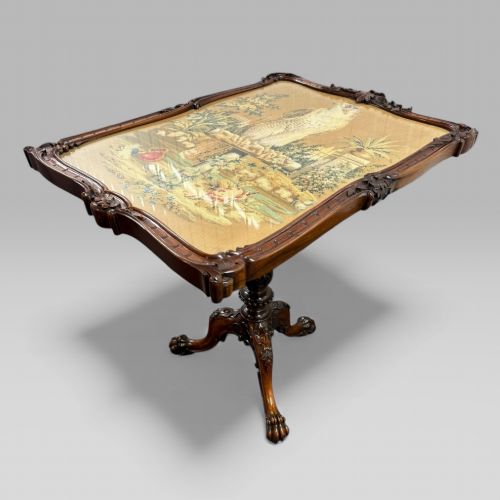
The selection includes circular tops, tilt-top mechanisms, and decorative shapes such as pie crust edges or flower forms. Alongside dedicated wine tables, related forms like occasional tables, side tables, and work tables appear frequently across the periods.
Materials and construction
Cabinet-makers utilised dense timbers such as mahogany and rosewood, alongside exotic woods like goncalo alves, thuyawood, satinwood, and yew. Brass fittings, glass components, and textile elements occasionally complement the primary wooden structures.
Construction techniques include stability-enhancing tripod bases and sophisticated tilt-top mechanisms that allowed tables to be stored flat against walls when not in use.
Gillows Wine Table Retail Price Guide 2026
Typical asking prices for gillows wine table among the pieces listed under this phrase on Sellingantiques today, from the lower quarter to the upper quarter. They describe what is for sale here now, not the wider market.
Materials span mahogany, rosewood, oak, yew, satinwood, thuyawood, goncalo alves, brass, glass, and textiles.
Evaluating quality and attribution
Excellence in these pieces rests on the choice of timber figure, such as flame mahogany or highly figured rosewood, and the crispness of carved details like tripod legs or pie crust borders. Inlaid satinwood or marquetry elements further elevate a piece.
Attribution or maker documentation shapes desirability, distinguishing standard workshop production from finely stamped or documented examples originating from Lancaster.
Gillows·Waring and Gillow
The Gillows Wine Table Glossary
- Tripod base
- A three-legged support structure attached to a central pillar, providing stability on uneven floors. This configuration is standard for small portable tables.
- Tilt-top mechanism
- A hinged block beneath the tabletop that allows the surface to pivot vertically. This design saves floor space when the table is not in active service.
- Goncalo alves
- A dense, highly figured tropical hardwood displaying dark brown and pale yellow-brown contrasting streaks. Makers utilised this timber for striking decorative effect.
- Pie crust edge
- A carved, scalloped tabletop border resembling the pastry crust of a pie. This decorative detail requires skilled hand-carving from a solid timber blank.
- Flame mahogany
- A veneer cut from the fork of a mahogany tree to produce a flickering, flame-like grain pattern. It signals high-status furniture production.
Gillows Wine Table: Frequently Asked Questions
What is a gillows wine table used for?
These tables served primarily to hold glasses, bottles, or lamps beside seating areas in reception rooms.
Their portable nature allowed servants to move them easily around a drawing room as social groupings shifted throughout the evening.
What woods were used for these tables?
Cabinet-makers relied heavily on solid or veneered mahogany and rich rosewood for the majority of their output.
More ambitious pieces incorporated exotic timbers such as satinwood, yew, thuyawood, and goncalo alves to create striking visual contrast.
How can I tell a Regency table from a Victorian one?
Regency pieces generally exhibit classical restraint with clean lines, rosewood or mahogany surfaces, and refined brass details.
Victorian and William IV examples often introduce heavier carved decoration, octagonal tops, or alternative wood selections like oak.