




Gilded Wood Scrollwork
These gilded wood scrollwork pieces bring warmth and rich texture to a room through centuries of carving and leaf work.
Gilded Wood Scrollwork
Gilded wood scrollwork encompasses carved furnishings and decorative objects built around sweeping, botanical forms and brilliant metallic surfaces. When you search for gilded wood scrollwork, you encounter pieces that range from ornate Italian wall mirrors to English baroque lamps and chandeliers.
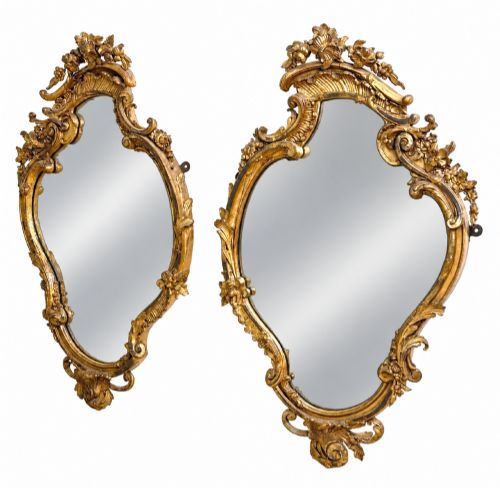
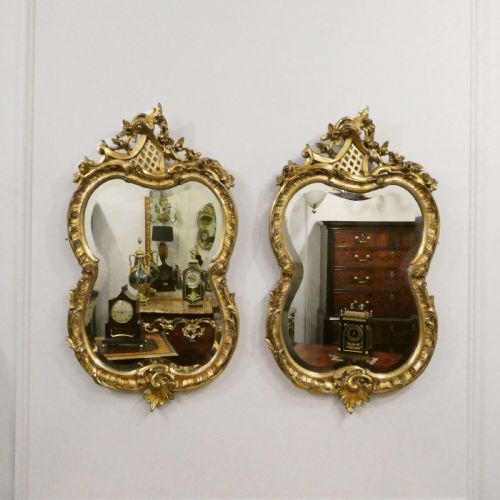
The version you are most likely to meet on this page is the carved giltwood wall mirror, originating across nineteenth-century and earlier European workshops. These mirrors take varied shapes, including oval, shield, and rectangular formats executed in regional revival styles.
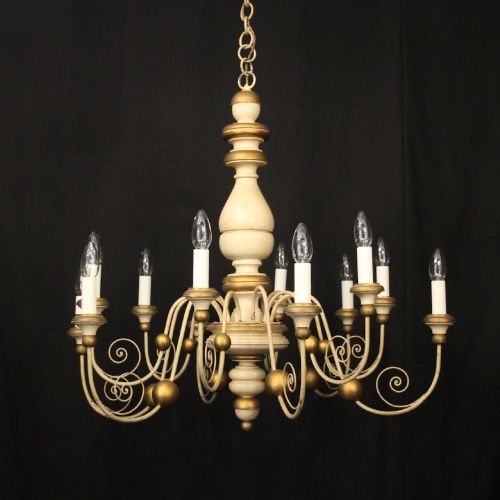
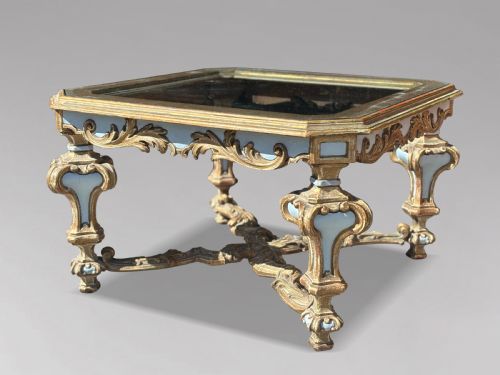
Beyond mirrors, the selection includes occasional seating, tables, and lighting fixtures finished in gold leaf or polychrome paint. Each item displays the characteristic curved motifs of rococo, baroque, and classical design traditions.
Materials and construction
Makers built these pieces primarily from timber substrates, applying fine layers of gesso to smooth the surfaces before gilding. Carvers shaped wood and wrought iron into intricate scrolls and flourishes by hand, ensuring depth and dimension across each frame or fixture.
Workers applied gold leaf to the prepared bases, sometimes combining metallic finishes with polychrome paint or mirrored glass elements. This traditional layering technique protected the underlying timber while creating the luminous surfaces seen on eighteenth and nineteenth-century examples.
Gilded Wood Scrollwork Retail Price Guide 2026
Typical asking prices for gilded wood scrollwork among the pieces listed under this phrase on Sellingantiques today, from the lower quarter to the upper quarter. They describe what is for sale here now, not the wider market.
Some nineteenth-century makers blended Middle-Eastern design influences with traditional European gesso techniques to create truly unexpected mirrors.
Judging quality in scrollwork
Quality rests on the crispness and depth of the hand carving within the wooden scrolls and acanthus leaves. Superior pieces exhibit confident, fluid chisel work where every curve and undercut feels deliberate rather than soft or mechanical.
The refinement of the gilding layer also distinguishes finer examples, showing smooth application of gold leaf over well-prepared gesso without heavy wear or clumsy restoration. Heavier construction timbers and thoughtful joinery complete the standard of the best items.
HARRODS
The Gilded Wood Scrollwork Glossary
- Giltwood
- Timber that has been coated with gold leaf or powder over a prepared gesso ground. This finish provides the characteristic metallic brilliance found on traditional frames and furniture.
- Gesso
- A mixture of binder and chalk applied to wood to create a smooth surface for gilding. It allows carvers to achieve sharp detail before the gold leaf is laid down.
- Rococo Revival
- A nineteenth-century design movement that resurrected the asymmetrical scrolls, shell motifs, and curving lines of the eighteenth-century French style. It dominates much of the mirror and furniture production of the Victorian era.
- Polychrome
- Painted in several colours, often combined with gilding on wooden surfaces. This technique adds pictorial depth and decorative contrast to chandeliers and architectural carvings.
- Baroque
- An exuberant seventeenth and early eighteenth-century style defined by dramatic movement, bold proportions, and rich ornamentation. Baroque scrollwork tends to be heavy, symmetrical, and commanding.
Gilded Wood Scrollwork: Frequently Asked Questions
What is gilded wood scrollwork?
Gilded wood scrollwork refers to carved wooden objects embellished with gold leaf and curved, decorative motifs. These items include mirrors, lamps, and tables from various European traditions.
Craftsmen shaped the wood and applied metallic finishes to create ornate decorative pieces for domestic interiors.
How do I date a giltwood mirror?
Dating relies on examining the timber construction behind the frame, the composition of the gesso, and the style of the carving. Eighteenth-century pieces often show different joinery and hand tools compared to nineteenth-century revival items.
The type of mirror glass and backing boards also provide clues to the period of manufacture.
Where should I place these pieces?
Wall mirrors with scrollwork serve well above mantelpieces, sideboards, or in hallways where they reflect light. Smaller carved lamps and tables fit into living spaces as distinct focal points.
Ensure they hang securely or sit on stable surfaces, keeping them away from direct moisture.
How do I care for giltwood?
Dust giltwood gently with a soft, dry brush to prevent accumulation in the carved crevices. Avoid using liquid cleaners, polishes, or damp cloths, which can damage the delicate gold leaf and gesso layers.
Maintain stable room temperatures to protect the underlying wood from splitting.