

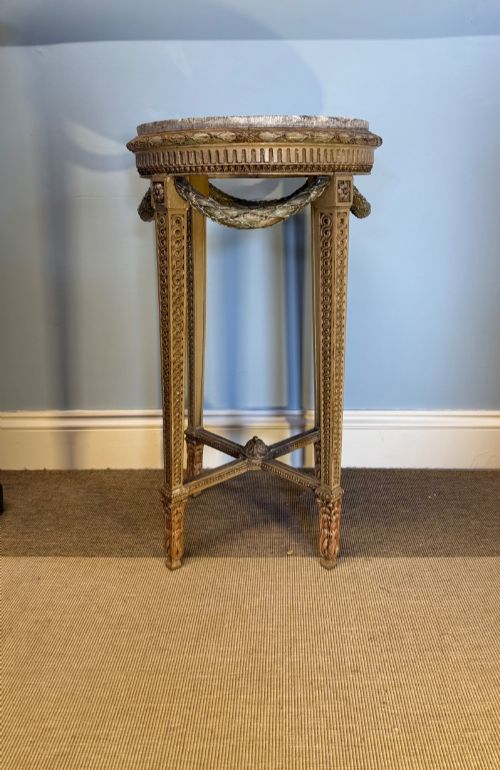


Gilded Wood Column
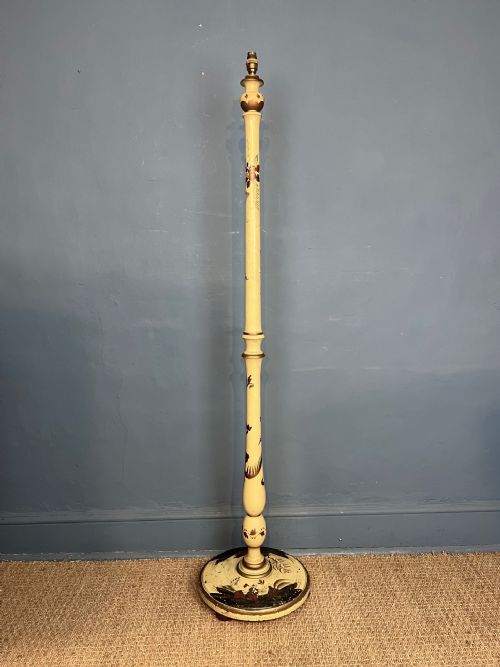
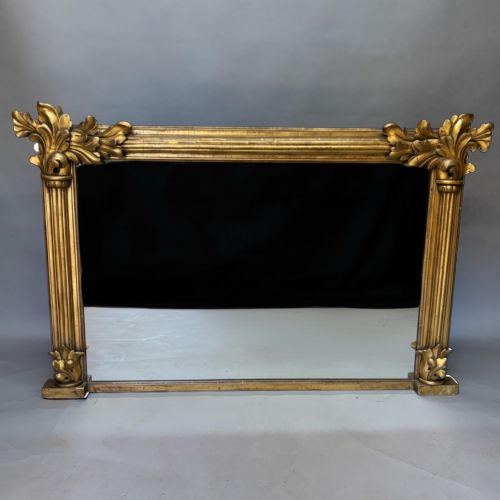
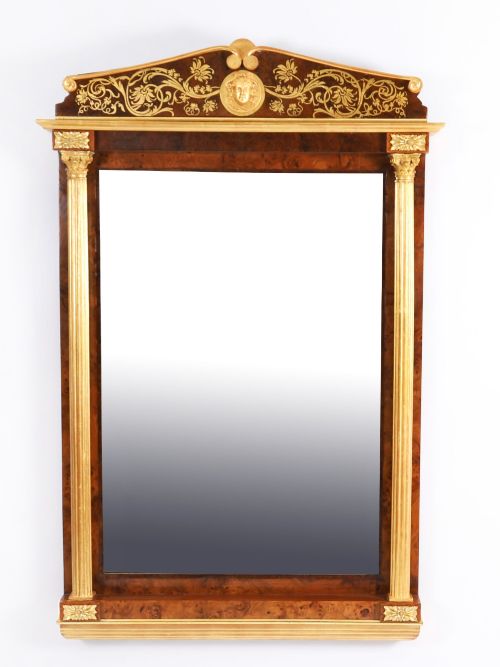
These gilded wood column forms provide architectural weight and metallic brilliance to interiors, spanning mirrors, lamps, and torchieres from the eighteenth and nineteenth centuries.
Gilded Wood Column
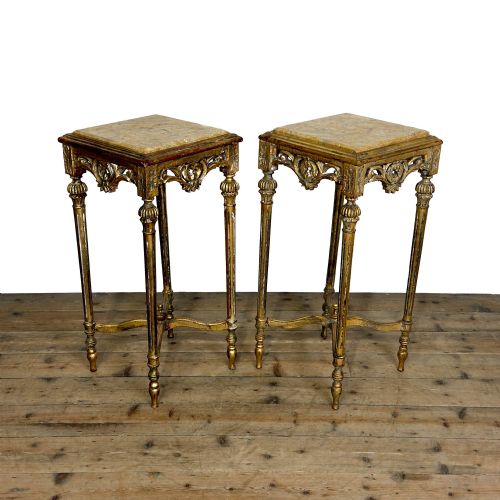
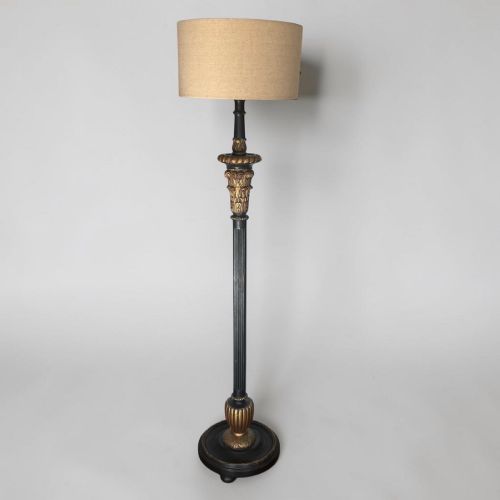
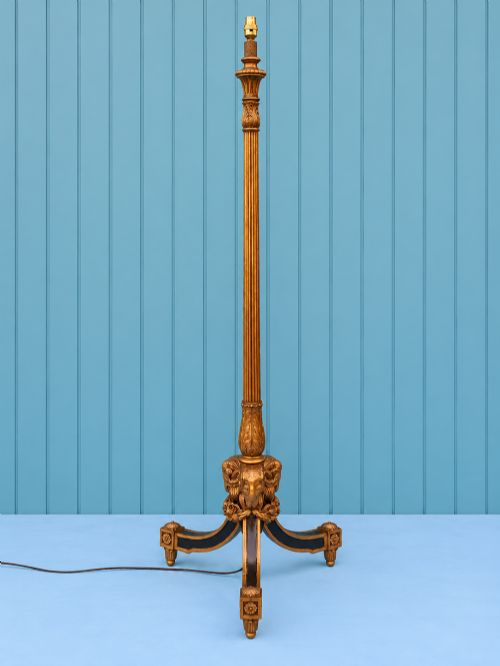
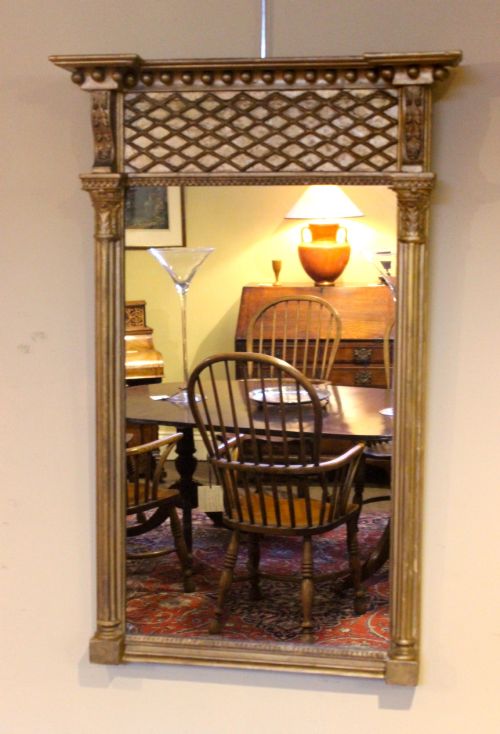
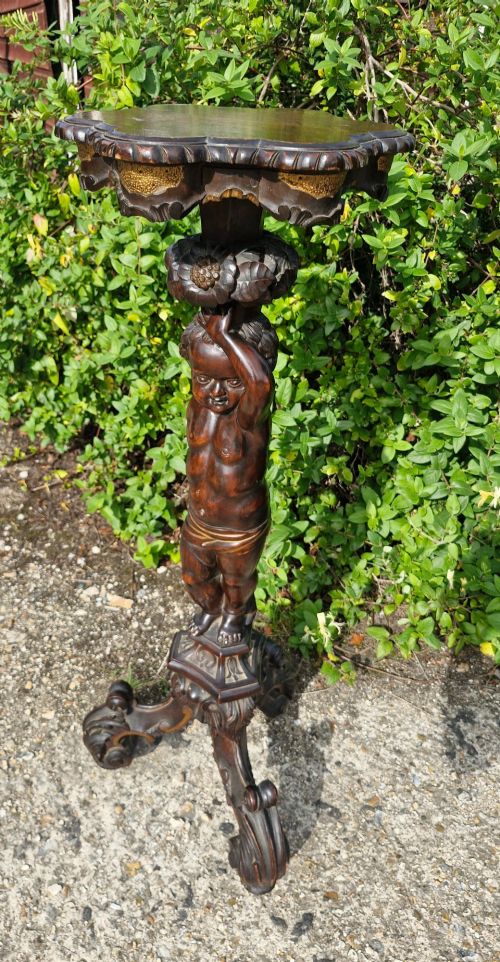
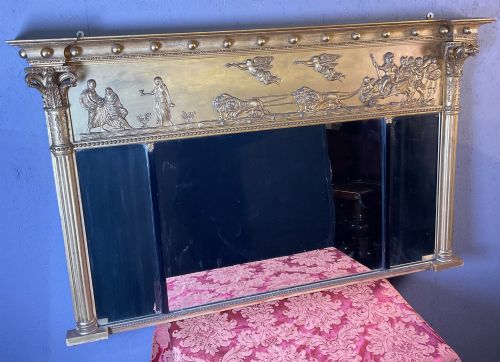
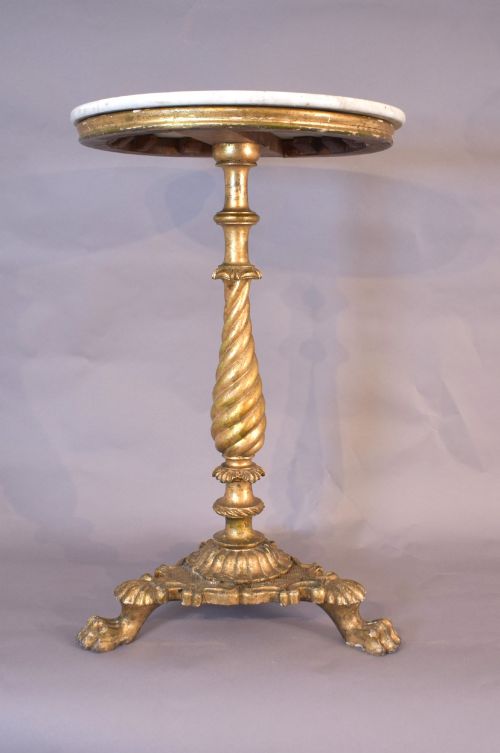
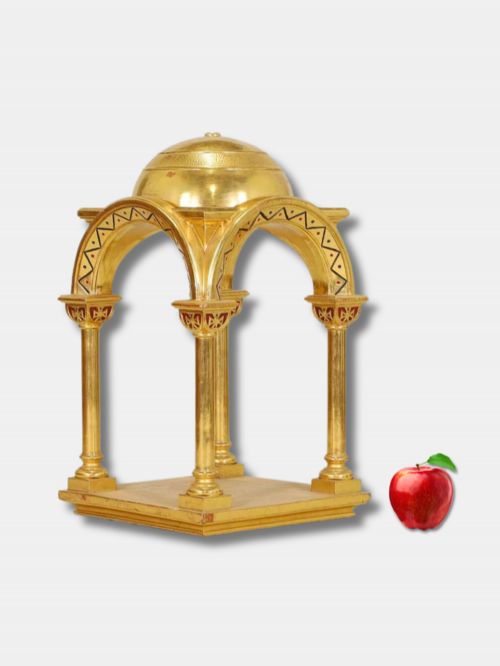
A gilded wood column search brings together architectural supports, freestanding furniture, and reflective frames incorporating classical pillar motifs. Buyers encounter structural elements like torcheres, pedestals, and plant stands alongside mirror frames adorned with engaged columns and pilasters.
The objects stem from various European and global traditions, crossing Georgian, Regency, Victorian, and later periods. English, French, Italian, and Spanish workshops produced these pieces, utilising carved timber to create functional supports and decorative wall furnishings.
Mirrors form a large part of the selection, frequently utilising column or pilaster framing to structure the reflective glass. Freestanding columns, torcheres, and pedestals serve as display surfaces for lighting, plants, and art objects.
How they were made
Craftsmen shaped the base forms from wood, including pine, walnut, and maple, employing carved timber and turned construction for columns and pedestals. Gesso was applied over the timber substrate to create a smooth, receptive ground for subsequent gilding.
Giltwood and gold leaf application provided the reflective metallic surface that defines these pieces, sometimes augmented by parcel gilt highlights on painted or ebonised grounds. Structural integrity depended on solid joinery, while decorative details relied on meticulous hand-carving and applied composition ornament.
Gilded Wood Column Retail Price Guide 2026
Typical asking prices for gilded wood column among the pieces listed under this phrase on Sellingantiques today, from the lower quarter to the upper quarter. They describe what is for sale here now, not the wider market.
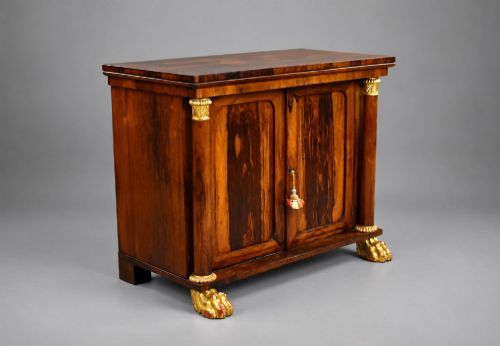
The selection encompasses diverse object types, ranging from wall mirrors and torcheres to table lamps and side tables.
What varies in quality
The depth and crispness of the wood carving distinguish superior examples from simpler production, particularly in the rendering of classical capitals, fluting, and acanthus foliage. Hand-chiselled detail retains sharpness that moulded composition ornament often lacks.
The integrity of the gilding and the preparation of the underlying gesso layer dictate the visual richness of the surface. Original gilding displaying natural patination and minor wear holds greater appeal than heavy overpainting or unsympathetic re-gilding.
The Gilded Wood Column Glossary
- Giltwood
- Wood that has been coated with gold leaf or gold dust over a prepared ground. This finish provides a warm, reflective metallic sheen.
- Gesso
- A plaster mixture applied to wood surfaces to create a smooth base for gilding. It allows fine details to be carved before metal leaf is laid.
- Torchere
- A tall stand or candlestick designed to hold a light source. These freestanding supports often feature classical column designs.
- Pier Mirror
- A tall glass designed to hang on the wall between windows. They frequently incorporate side columns or pilasters reflecting neoclassical taste.
- Parcel Gilt
- A finish where only specific portions of an object are gilded, leaving wood or paint exposed elsewhere. This highlights particular architectural details like column shafts.
Gilded Wood Column: Frequently Asked Questions
How do I style a gilded wood column mirror?
These mirrors work effectively above mantelpieces or console tables where their architectural frames can anchor a room's focal point. Positioning them opposite windows maximises natural light distribution.
Pair them with complementary metallic accents or wood furniture from similar nineteenth-century periods to maintain a cohesive interior scheme.
What is the difference between a torchere and a pedestal?
Torcheres are traditionally tall, slender stands specifically designed to elevate lighting or serve as decorative vertical elements in a room. Pedestals function primarily as solid supports for display items, urns, or plant stands.
Both forms frequently utilise column structures and gilded wood finishes across eighteenth and nineteenth-century examples.
How can I date a gilded column piece?
Dating relies on examining the construction timber, the composition of the gesso, and stylistic indicators such as Neoclassical or Regency design motifs. Eighteenth-century pieces often display hand-carved elements and older pine or hardwood foundations.
Nineteenth-century variants frequently incorporate machine-sawn timber or standard Victorian moulding techniques alongside traditional gilding.
Can I use a column pedestal for heavy objects?
Freestanding columns and pedestals vary in weight capacity depending on their internal construction and base width. Solid carved wood versions generally offer robust support for marble tops, lamps, or large sculptural pieces.
Check the base stability and top surface area to ensure safe placement for heavier decorative items.