




Gilded Metal Lamp Tables
These gilded metal lamp tables bring a rich metallic gleam and practical illumination to a room, combining decorative metalwork with functional surface space.
Gilded Metal Lamp Tables
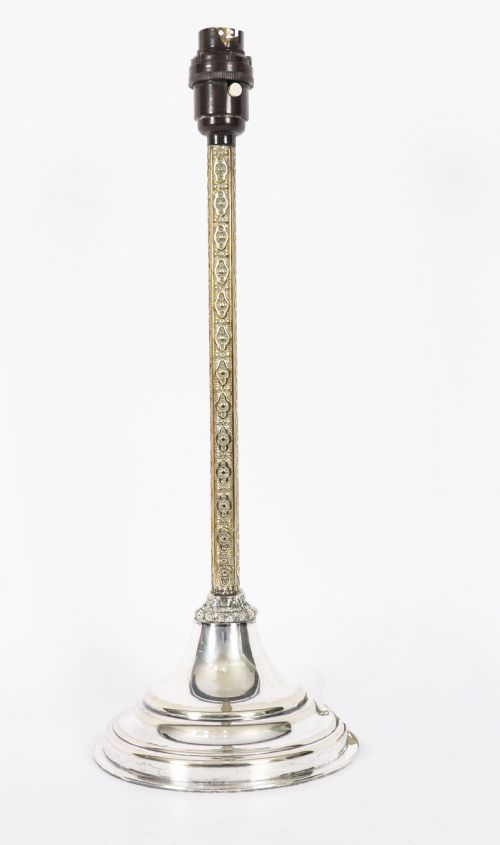
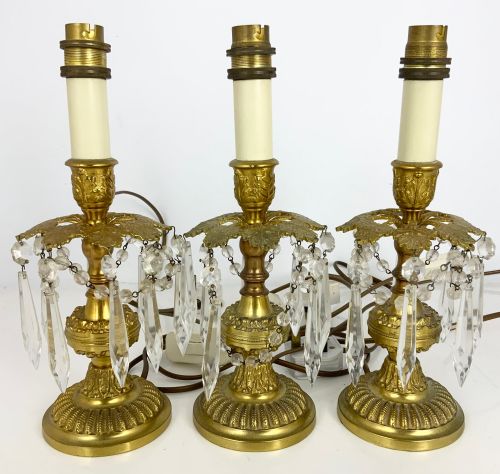
When you search for gilded metal lamp tables, you encounter a selection spanning the nineteenth and twentieth centuries, including the Victorian period and Art Deco era. The listings encompass side tables, table lamps, lamp bases, and candelabras produced in various European and American workshops.
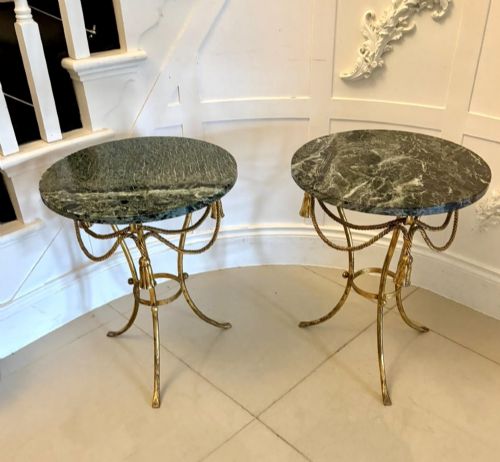
You are most likely to meet pieces finished in gilt metal, ormolu, brass, and gilt bronze, frequently paired with materials such as verde marble, glass, and fabric. Styles range from French Louis XVI and Rococo Revival to Art Nouveau and Hollywood Regency.
The objects serve dual purposes as decorative art and functional lighting or display surfaces. Many examples incorporate figural elements like cherubs and twin ladies, alongside ornamental motifs derived from classical French designs.
Materials and construction
The construction relies heavily on cast and chased metals such as brass, bronze, and spelter, enhanced with applied gilding or ormolu finishes. Ormolu involves the application of finely ground high-carat gold to a bronze base, creating a durable and lustrous metallic surface.
Stonework and glass form integral components of the structures, with verde marble providing solid table tops and blue glass adding coloured body sections to ewers and lamps. Fabric elements complete the lighting assemblies where shades or decorative hangings are utilised.
Lighting up a room with twin ladies and cherubs proves that nineteenth-century makers took their illumination with a generous side of theatre.
Quality and craftsmanship
The standard of chasing and metalwork distinguishes finer examples from simpler production pieces. Crisp relief on cast figures and ornaments shows the hand of a skilled artisan rather than a blunt factory mould.
The choice of secondary materials, such as heavy verde marble slabs or deep blue glass inserts, dictates the structural integrity and visual weight of the piece. Superior gilding maintains its depth and adherence over decades of handling.
Mappin & Webb·Samson
The Gilded Metal Lamp Tables Glossary
- Ormolu
- A golden-coloured metallic finish applied to bronze objects, popular in French decorative arts. It provides a rich sheen that mimics solid gold.
- Spelter
- A zinc alloy commonly used as a cost-effective substitute for bronze in decorative castings. It accepts metallic finishes well to simulate more expensive materials.
- Verde marble
- A dark green ornamental stone marked with lighter veining, frequently employed for table tops and decorative bases. Its weight adds stability to slender metal frames.
- Candelabra
- A branched candlestick or lamp holder designed to hold multiple light sources. These often feature elaborate cast metal scrollwork and figures.
- Ewer
- A large jug with a wide spout and handle, occasionally adapted into a lamp base. These vessels often display decorative glass or ceramic bodies mounted in metal.
Gilded Metal Lamp Tables: Frequently Asked Questions
How do I date a gilded metal lamp?
Dating relies on stylistic clues, manufacturing techniques, and the type of metal used. Pieces from the nineteenth century often feature hand-chased details, whereas twentieth-century examples display Art Deco or Hollywood Regency characteristics.
Examining the wiring, fixings, and base materials provides further context for the period of manufacture.
What is the difference between ormolu and gilt bronze?
Ormolu specifically refers to mercury gilding applied to bronze, a technique widespread in eighteenth- and nineteenth-century French manufacturing. Gilt bronze is a broader term covering any bronze object with a gold-coloured surface layer.
Both materials offer durability and a bright metallic appearance when preserved correctly.
Where should I place a lamp table in a room?
These pieces suit placement beside seating areas or in corners where they provide both ambient light and a small surface for objects. Their reflective metal surfaces catch natural light during the day.
Matching the historical style of the lamp with surrounding furnishings helps integrate the object into the interior scheme.
How do I clean gilded metal surfaces?
Dusting gently with a soft, dry cloth prevents the accumulation of dirt without harming the delicate metallic finish. Avoid abrasive cleaners or chemical polishes that can strip away the gilding or ormolu.
Professional restoration is recommended if the metalwork requires deeper cleaning or repair.