

Gilded Lantern Light
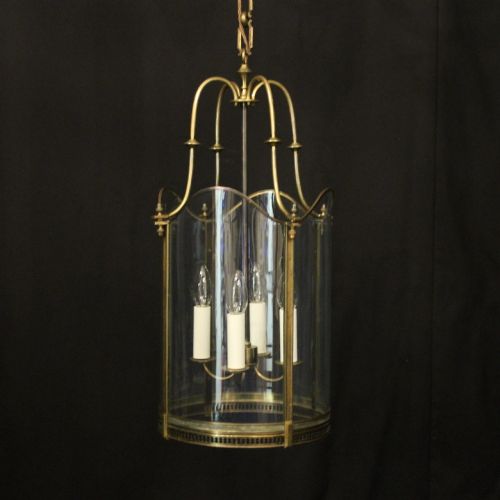
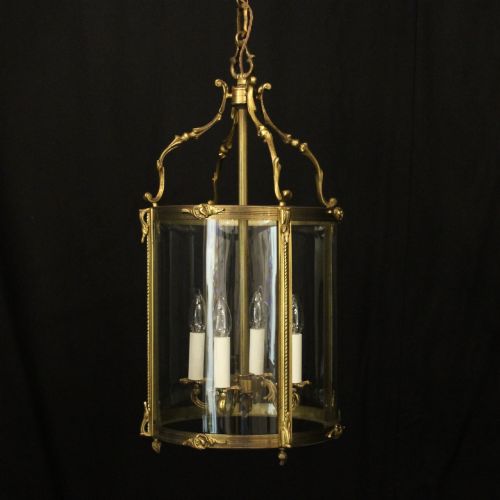
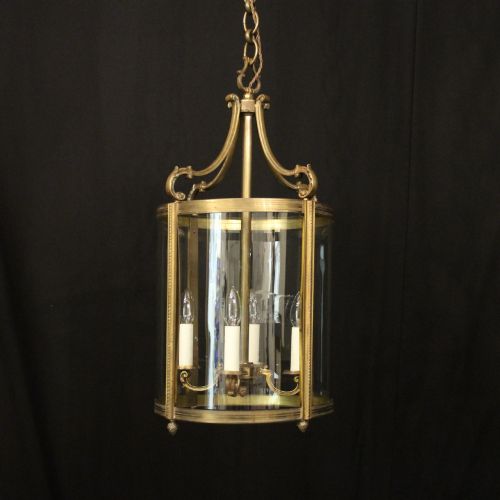
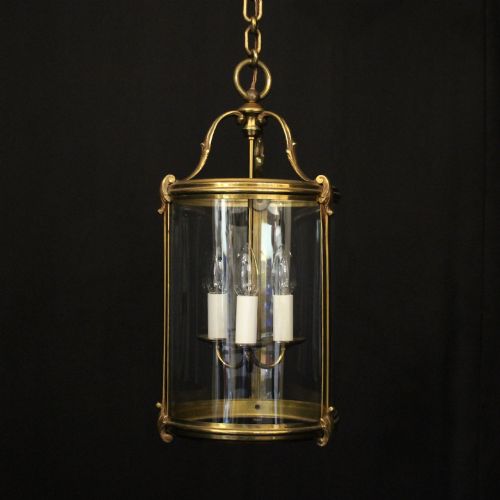
These gilded lantern light fixtures bring warmth and architectural presence to hallways and high ceilings alike.
Gilded Lantern Light
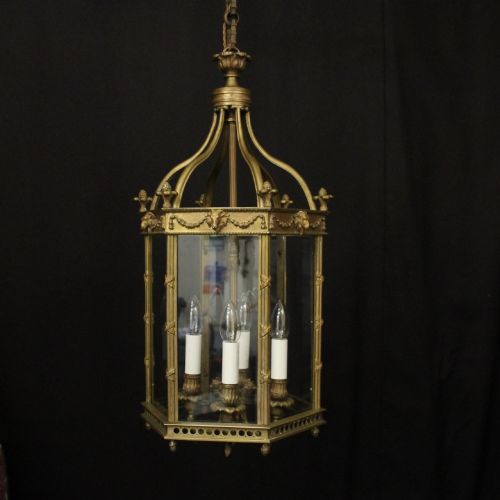
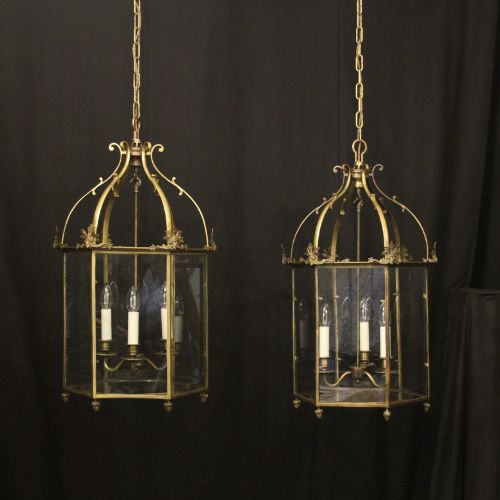
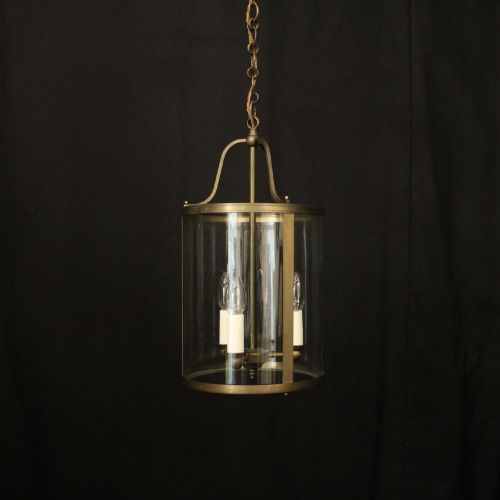
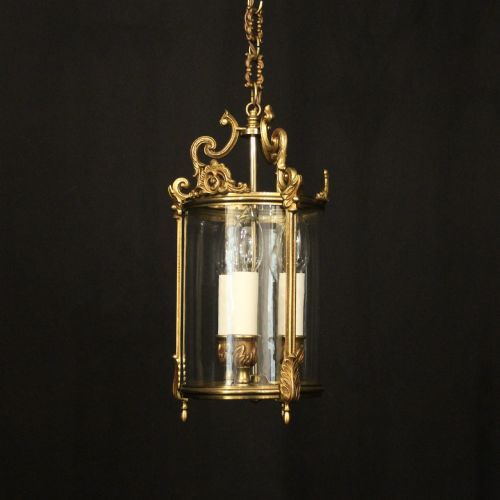
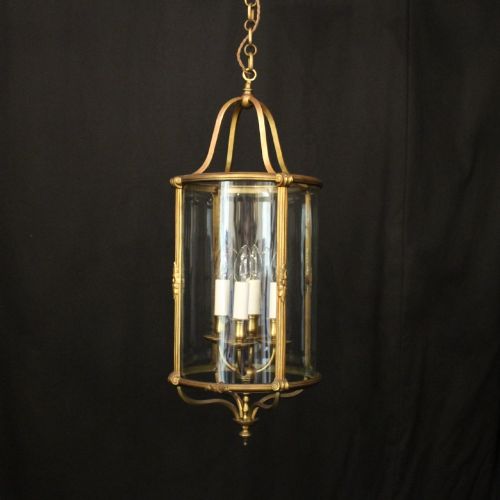
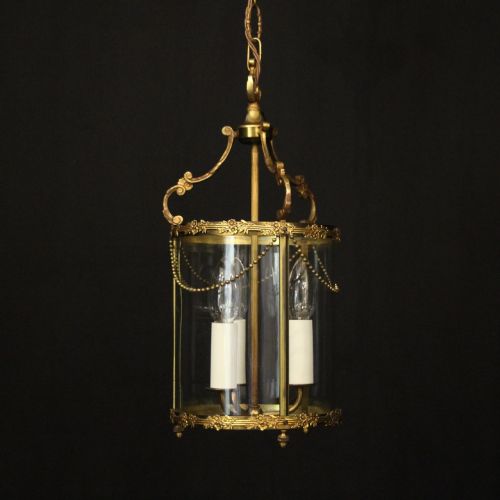
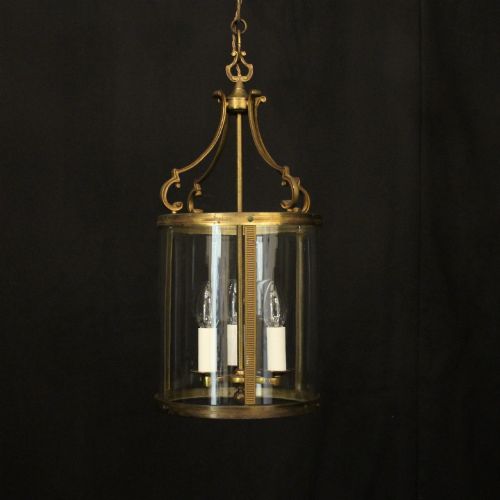
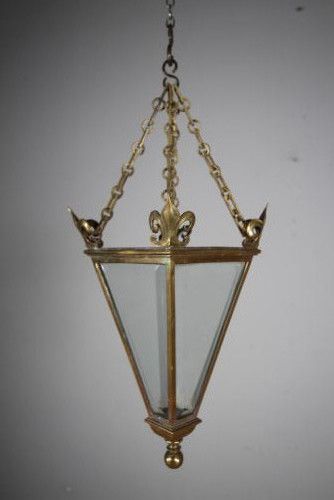
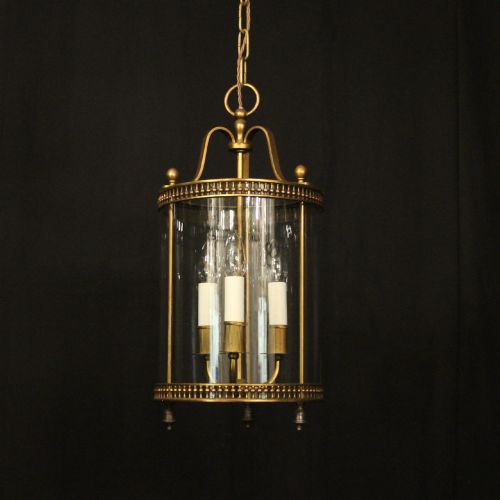
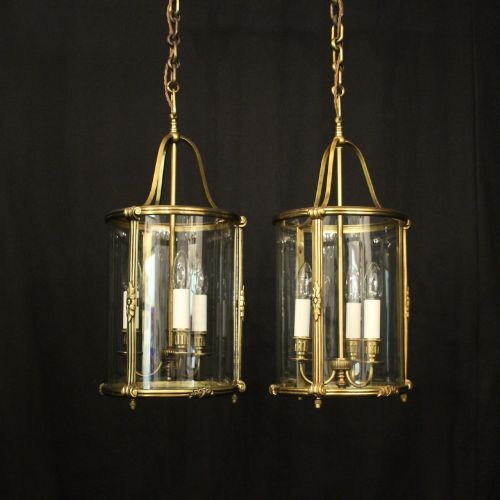
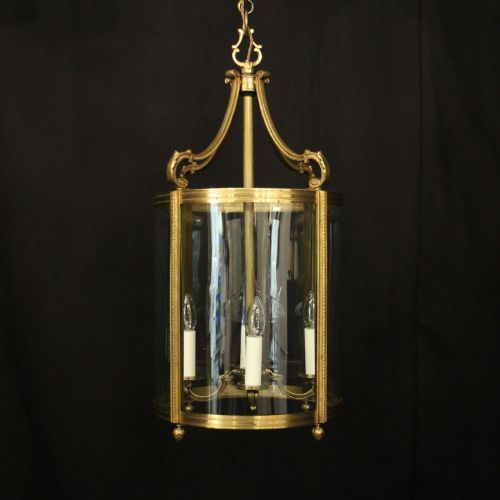
A gilded lantern light combines metal frames with glass panels to create an illuminated focal point in hallways, entryways, and principal rooms. Buyers seeking a gilded lantern light usually encounter French pieces dating from the nineteenth and early twentieth centuries, particularly from the nineteen-twenties.
The selection ranges from single-bulb pendants and half lanterns to monumental multi-light fixtures designed for substantial spaces. Styles draw heavily upon French Neoclassical, Louis XVI, and Rococo traditions, alongside English and Venetian interpretations featuring carved giltwood and detailed bronze work.
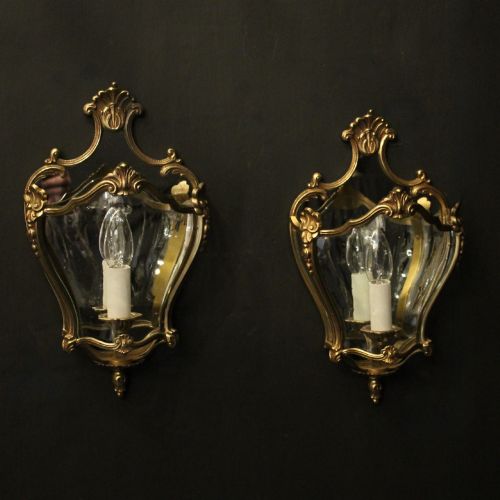
Most examples adopt standard hanging configurations as hall lanterns, ceiling lights, or wall sconces. The combination of reflective glass and metallic finishes allows these hanging fixtures to distribute ambient illumination evenly throughout large corridors.
Materials and Construction
Makers utilised cast bronze, brass, and ormolu to form the rigid skeletal structures of these hanging fixtures, applying gold leaf, silver gilding, or giltwood finishes to the metal surfaces. These metallic elements support fitted glass panes, which frequently include bevelled edges or convex shaping to manipulate the emitted light.
Decorative detailing relies on traditional casting and carving techniques, producing intricate foliate scrolls, crests, and classical motifs in the French and Venetian manner. Structural integrity depends on secure joints within the metal framework and robust suspension chains designed to bear the weight of heavy glass and bronze components.
Gilded Lantern Light Retail Price Guide 2026
Typical asking prices for gilded lantern light among the pieces listed under this phrase on Sellingantiques today, from the lower quarter to the upper quarter. They describe what is for sale here now, not the wider market.
The listings feature pieces spanning the nineteenth and early twentieth centuries, predominantly utilising glass, gilded bronze, brass, and giltwood.
Evaluating Quality and Craftsmanship
Quality separates through the crispness of the bronze casting and the depth of the applied gilding, with superior examples showing sharp relief in ornamental motifs rather than soft, smoothed edges. The quality of the glass components also marks the tier of the piece, as thick, bevelled, or convex glass panes demand far greater skill to produce than flat, standard panels.
Proportion and scale dictate the visual success of a fixture, distinguishing bespoke architectural pieces from standard production items. The integration of structural hardware, such as concealed fixings and substantial hanging loops, demonstrates the underlying integrity of the construction.
The Gilded Lantern Light Glossary
- Convex glass
- Curved glass panels that project outward from the lantern frame. This shaping alters the refraction of the bulb and adds visual depth to the silhouette.
- Ormolu
- Finely chased and gilt bronze popular in decorative arts. It provides a bright, durable metallic finish that resists tarnishing over decades.
- Giltwood
- Timber treated with a thin layer of gold leaf over a prepared base. This technique creates a rich decorative surface seen on Venetian and Florentine hanging fixtures.
- Half lantern
- A fixture designed to mount flush against a wall rather than suspend centrally from a ceiling. It serves narrow corridors and stairwells where hanging clearance is limited.
Gilded Lantern Light: Frequently Asked Questions
Where should I hang a hall lantern?
These fixtures suit high-ceilinged entryways, grand corridors, and stairwells where they provide both ambient illumination and a strong architectural statement.
Ensure sufficient clearance beneath the lowest point of the hanging fixture for safe passage.
How do I determine the period of a lantern?
Dating relies on stylistic markers such as Louis XVI symmetry, Rococo asymmetry, or Arts and Crafts construction methods, alongside the manufacturing characteristics of the metal and glass.
Examining internal wiring components and assembly screws also helps establish the approximate age of the fixture.
Can these lanterns be wired for modern electric bulbs?
Most antique fixtures are adapted to accept standard modern electrical fittings while preserving the original internal framing and decorative elements.
Professional rewiring ensures the piece meets current safety standards without altering its external appearance.
What maintenance do gilt surfaces require?
Gilded bronze, brass, and giltwood surfaces need only gentle dusting with a soft, dry cloth to prevent the accumulation of airborne particles.
Avoid chemical polishes and abrasive cleaners, as these substances strip the delicate gold leaf or patinated finish.