

Gilded Glass Ceiling Light
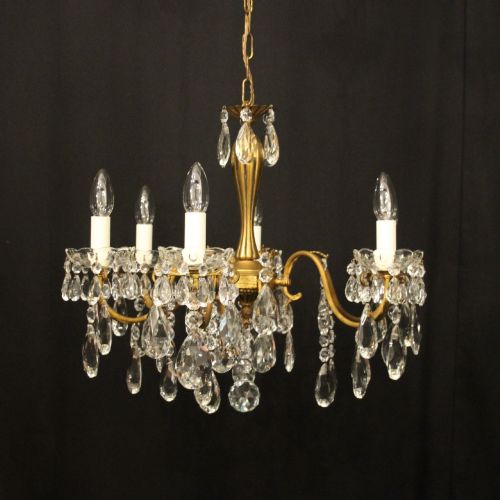
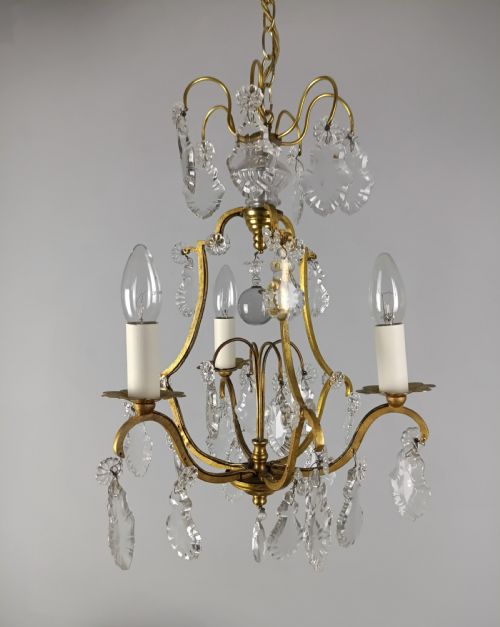
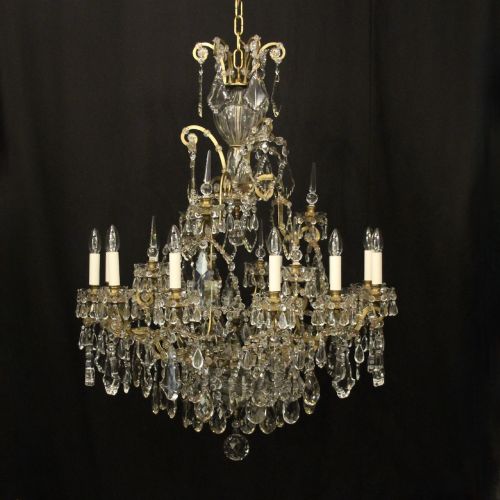
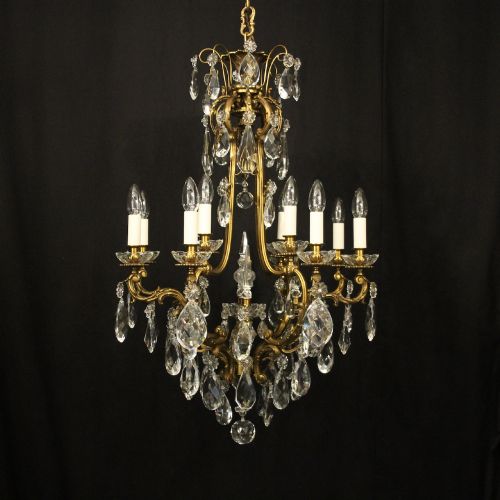
These gilded glass ceiling light fixtures bring warmth and shimmer to a room, holding their place as the focal point of a ceiling.
Gilded Glass Ceiling Light
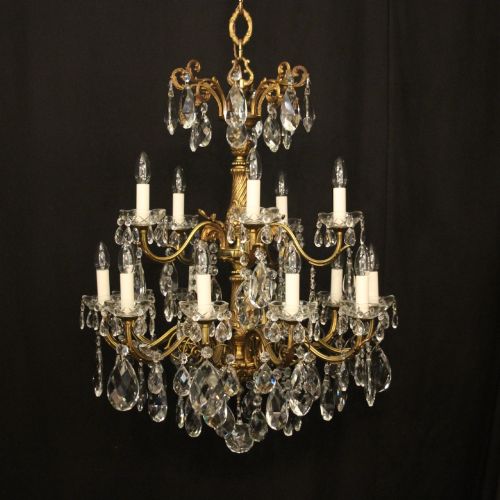
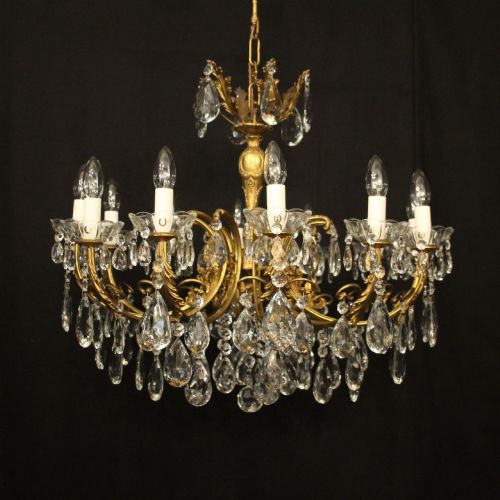
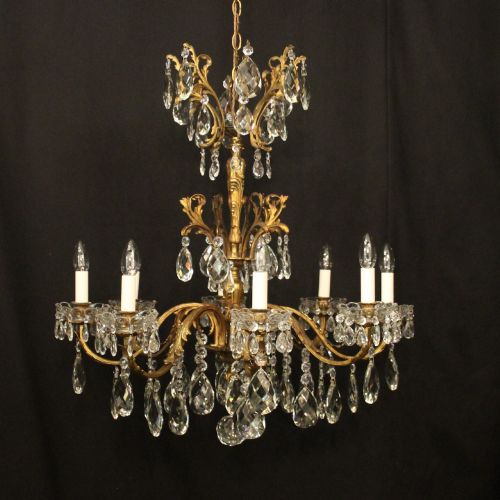
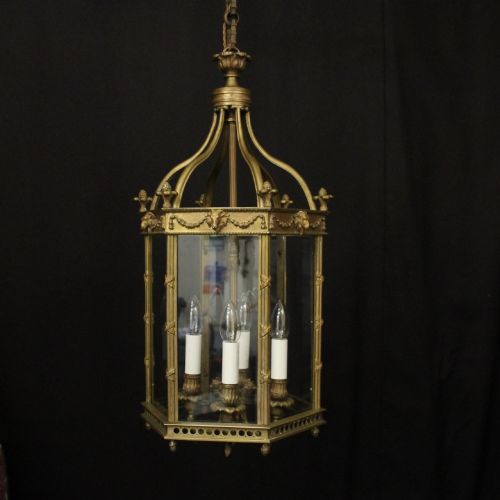
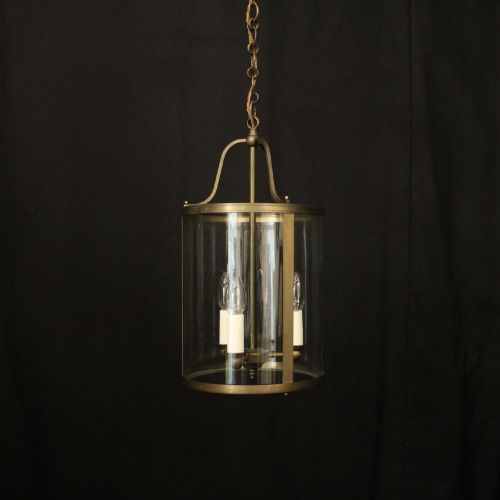
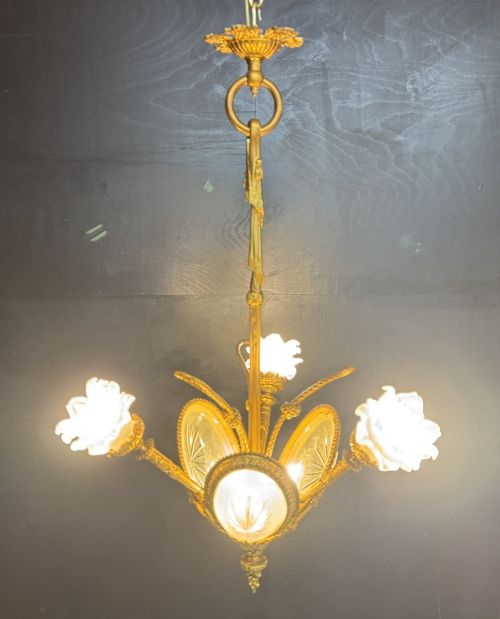
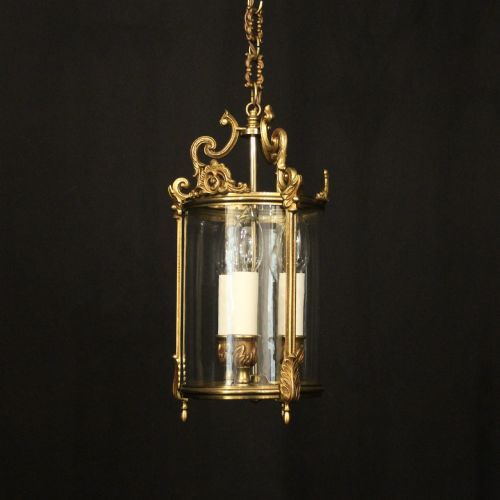
When you search for a gilded glass ceiling light, you encounter a selection spanning the nineteenth century through the nineteen-thirties, dominated by French and Italian origins. The objects take the form of chandeliers, hall lanterns, pendant lights, and flush plafonniers designed to suspend illumination centrally within a space.
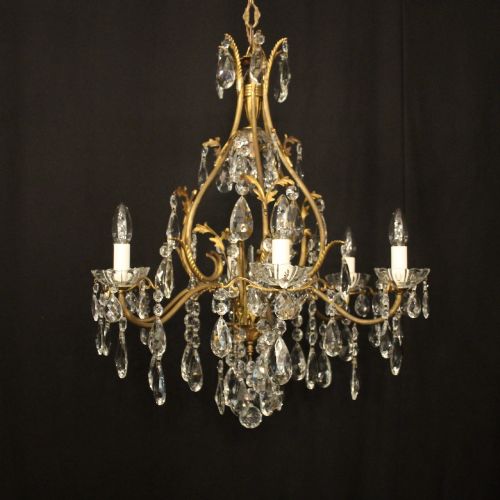
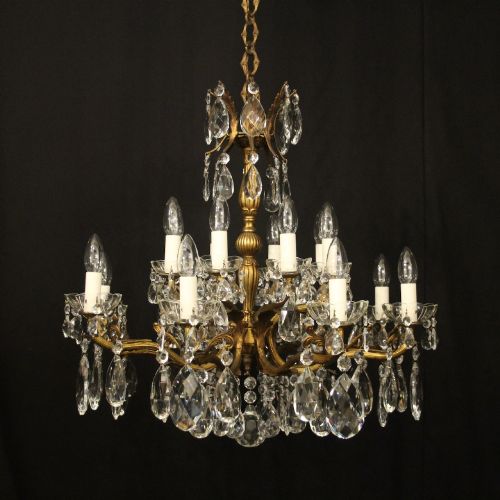
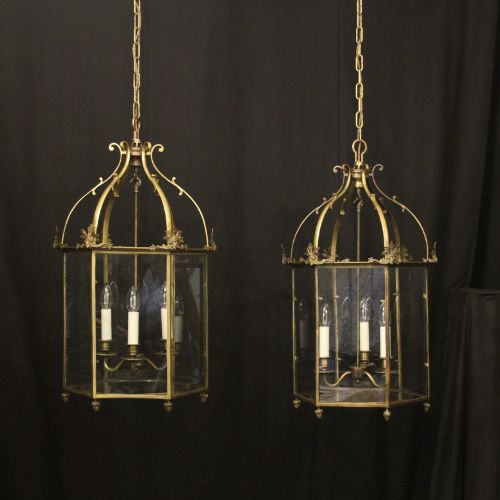
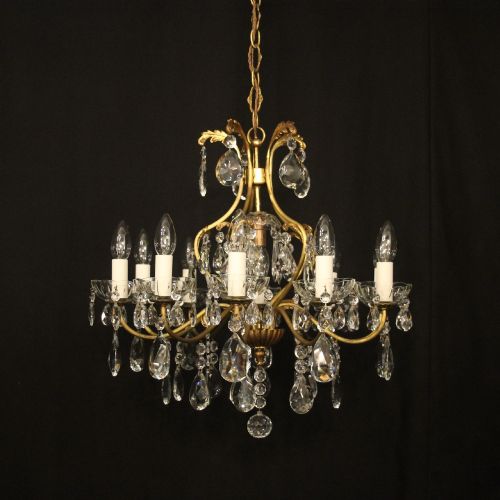
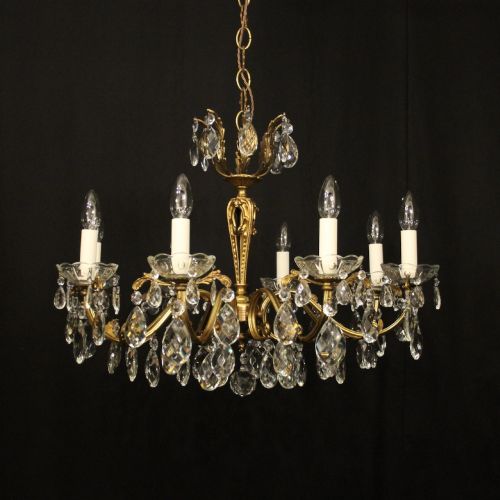
The evidence shows multi-light chandeliers configured in styles such as birdcage, tent and waterfall, alongside convex hall lanterns and simpler hanging lanterns. Pieces incorporate varying numbers of lights, from modest single-bulb fixtures up to grand twelve and fifteen-light arrangements.
Materials and Construction
Makers constructed these fixtures using brass, bronze, and toleware given gilt, silver gilt, or ormolu finishes to create metallic warmth. Glass and crystal elements, including cut crystal drops, coloured crystals, and porcelain flowers, hang from the metal frames to refract the light.
Frames are cast or shaped into French Rococo, Empire, Neoclassical, and Art Deco styles, incorporating components like convex glass panels for enclosed lanterns or open metal armatures for multi-light chandeliers.
Gilded Glass Ceiling Light Retail Price Guide 2026
Typical asking prices for gilded glass ceiling light among the pieces listed under this phrase on Sellingantiques today, from the lower quarter to the upper quarter. They describe what is for sale here now, not the wider market.
Some antique lanterns incorporate convex glass panes that act like tiny lenses, quietly bending the light across the hallway.
Craftsmanship and Proportion
The distinction between tiers rests upon the crispness of the bronze or brass casting and the depth of the gilding applied to the metalwork. Hand-finished ormolu and detailed chasing on metal mounts separate finer workshops from standard production.
Quality also shows in the clarity and cutting of the crystal drops and glass panels, where precision in facet-cutting produces superior light refraction. The integration of decorative elements like porcelain flowers and coloured crystals further defines the character of individual pieces.
The Gilded Glass Ceiling Light Glossary
- Ormolu
- A method of applying finely ground high-carat gold to a bronze object. This technique imparts a rich, warm metallic finish seen on many antique French light fittings.
- Plafonnier
- A ceiling-mounted light fixture that sits flat or close against the ceiling surface. These often feature decorative glass bowls or moulded shades held within a metal mount.
- Birdcage chandelier
- A chandelier style characterised by a curved metal framework resembling the profile of a birdcage. Crystal strands drape across this open structure to form its distinct silhouette.
- Tent and waterfall
- A chandelier configuration where strings of crystals form a tent-like canopy at the top, cascading down into a wider waterfall formation around the lower tiers.
- Toleware
- Painted sheet metal used in decorative objects and light fixtures. It provides a coloured, matte contrast to the reflective qualities of glass and crystal elements.
Gilded Glass Ceiling Light: Frequently Asked Questions
How do I clean a crystal chandelier?
Maintenance involves wiping individual glass drops and metal arms gently with a specialist cleaning solution and a soft cloth.
Taking care not to twist the antique wiring or dislodge delicate crystal pins keeps the fixture secure.
What is a hall lantern?
A hall lantern is an enclosed or semi-enclosed hanging light designed specifically for entranceways, corridors, and landings.
These fixtures often use convex glass panels to protect the internal candleholders or bulbs while casting directional illumination.
Are these lights suitable for low ceilings?
Plafonniers and flush-mounted ceiling lights sit directly against the ceiling, making them practical choices for rooms with restricted vertical clearance.
Chandeliers and hanging lanterns require more headroom and generally suit spaces with taller proportions.
How do I date a gilded light fixture?
Dating relies on stylistic markers such as the clean geometric lines of Art Deco pieces compared to the elaborate curves of French Rococo or Empire designs.
Examining the metal casting methods and assembly screws also helps place a fixture within the nineteenth or early twentieth century.