





Gilded Framing
Gilded framing brings warmth and reflective brilliance to interiors through centuries of craftsmanship in gold leaf and carved wood.
Gilded Framing
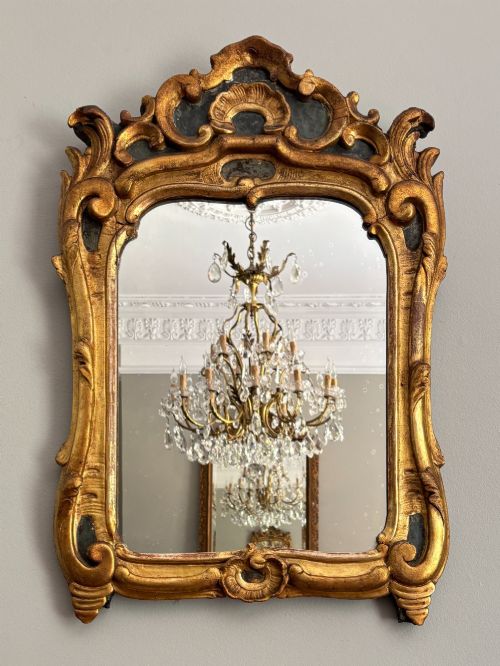
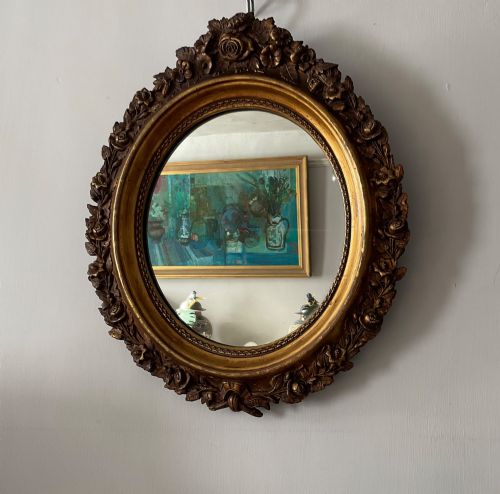
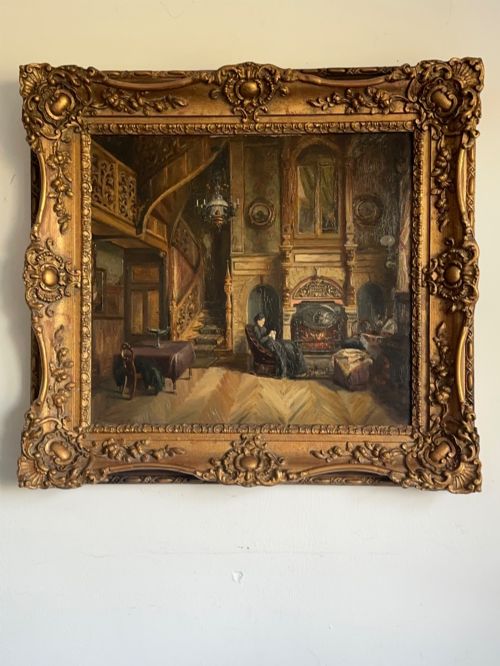
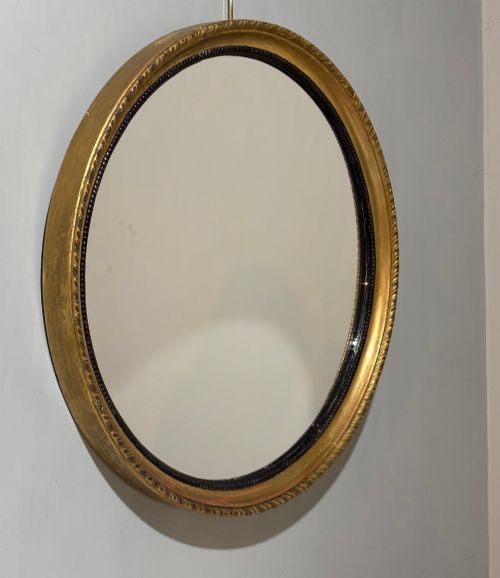
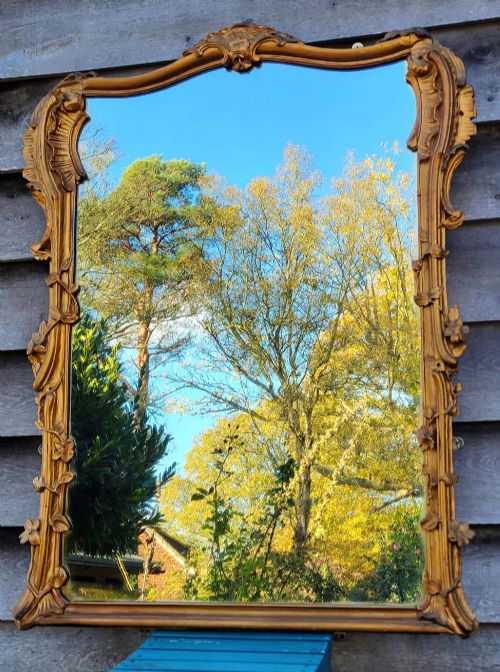
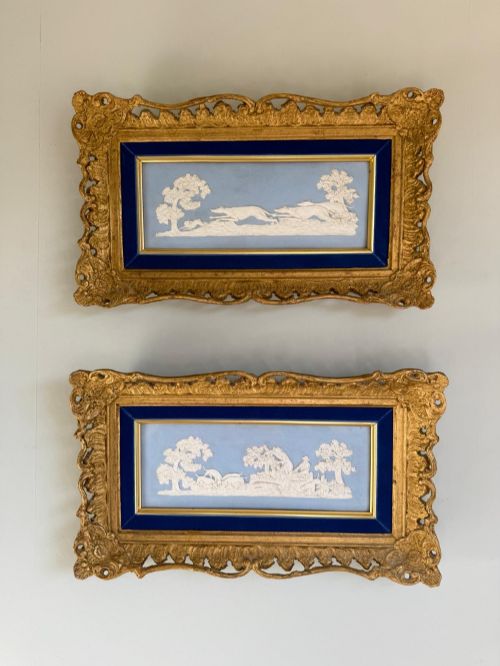
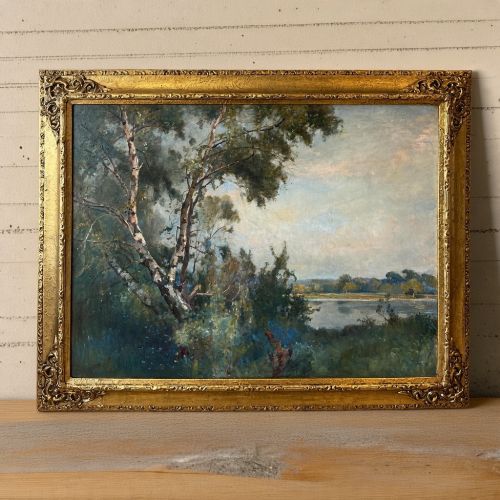
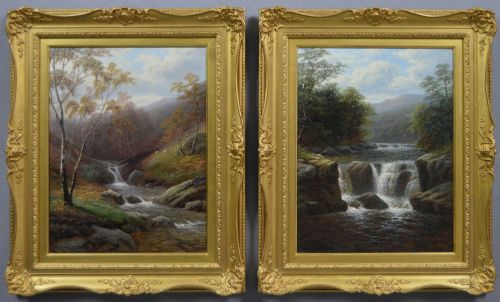
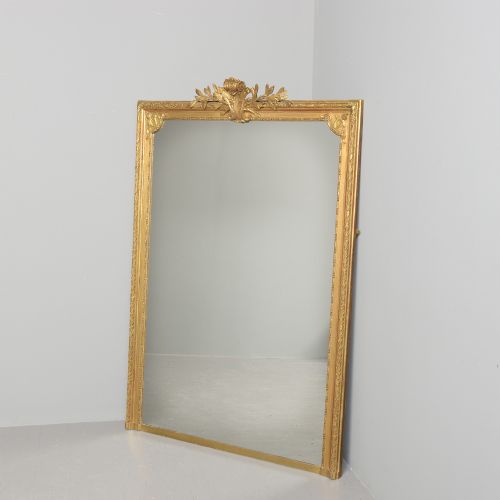
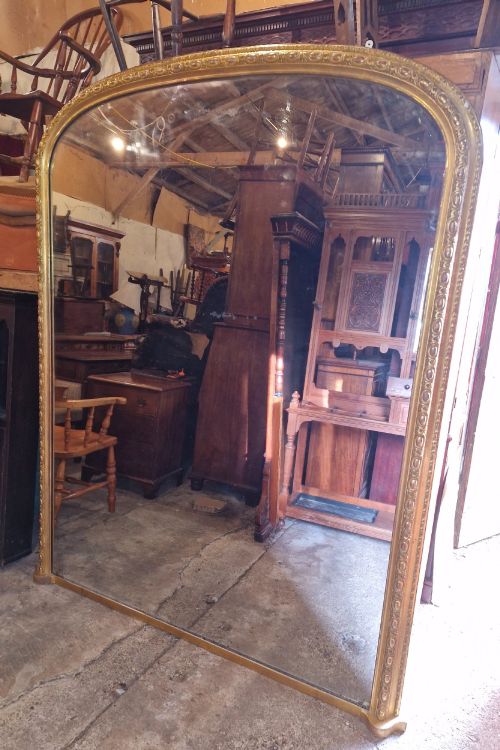
Gilded framing encompasses decorative wooden surrounds and mirrors coated in gold, applied to oil paintings, watercolours, and wall mirrors. You encounter these most frequently in nineteenth-century formats, ranging from arched overmantels to deep fluted picture frames.
The selection spans centuries, including seventeenth-century portraiture enclosures, eighteenth-century mirrors, and Edwardian works. Pieces originate from English, French, and broader European workshops, manifesting in styles from Georgian restraint to Rococo exuberance.
Functionally, these items serve to boundary art and reflect light within rooms. Wall mirrors and trumeau panels integrate painted scenes with gilded woodwork, whilst picture frames give depth and focus to canvases.
Materials and Construction
Giltwood and gesso form the primary structural and decorative components of these frames. Artisans carved intricate details into wood before applying layers of gesso to create a smooth surface for gilding.
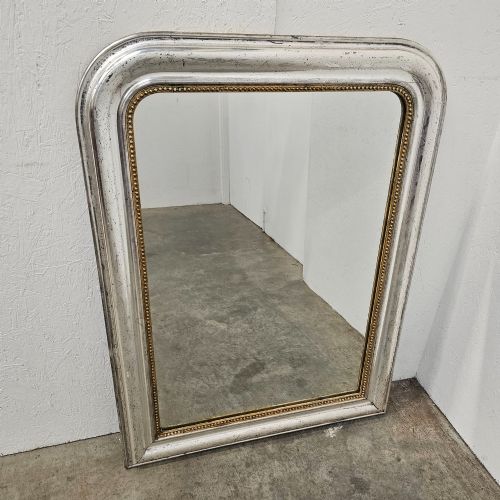
Gold leaf and silver gilt provide the luminous metallic surface finish, adhered to the prepared base. Glass elements include mercury glass and bevelled mirror plates, often housed alongside canvas and oil paint within the frames.
Gilded Framing Retail Price Guide 2026
Typical asking prices for gilded framing among the pieces listed under this phrase on Sellingantiques today, from the lower quarter to the upper quarter. They describe what is for sale here now, not the wider market.
One unexpected survival is a fragment of fifteenth-century burial cloth exhumed during trenching in 1821.
Evaluating the Workmanship
Quality rests in the depth of carving and the precision of the gesso application beneath the gold leaf. Finer examples display crisp, hand-modelled ornamentation rather than uniform cast composition.
The integrity of the underlying timber and the preservation of the original gilding dictate the standing of a piece. Retaining the authentic surface patination without excessive later intervention marks superior execution.
Arsène Rochette of Versailles·Sir Godfrey Kneller·Jean-Baptiste Van Loo·James Ferguson·Pieter Cornelis Steenhouwer
The Gilded Framing Glossary
- Giltwood
- Wood that has been coated with gold leaf. This material provides a durable and luminous finish for antique frames and mirrors.
- Gesso
- A plaster mixture applied to wood surfaces as a base for gilding. It allows artisans to carve fine details before applying gold leaf.
- Trumeau
- A decorative wall mirror often incorporating an oil painting above the glassplate. These combined pieces frequently feature elaborate French framing.
- Overmantel mirror
- A large mirror designed to hang above a fireplace mantelpiece. They often utilise arched crests and heavy gilded surrounds.
- Verre eglomise
- The technique of applying gold or silver leaf to glass alongside reverse painting. It creates a reflective, decorative panel within antique frames.
Gilded Framing: Frequently Asked Questions
How do I hang a heavy gilded overmantel mirror?
Heavy gilded overmantel mirrors require secure anchoring directly into wall studs or masonry using heavy-duty fixings rated for substantial weight.
Professional installation is often recommended to distribute the load evenly and protect the delicate antique frame structure.
What is the difference between giltwood and silver gilt?
Giltwood involves applying gold leaf to a wooden base, producing a warm, enduring golden lustre that resists tarnishing over centuries.
Silver gilt uses silver leaf or metal applied in a similar manner, often exhibiting a cooler tone that may develop a darker patination over time.
How should I clean antique gilded framing?
Dust gilded surfaces gently with a soft, dry ostrich feather duster to remove surface particles without disturbing fragile gold leaf.
Avoid using water, chemical solvents, or abrasive cloths, as moisture and friction strip the delicate gesso and metallic layers away.
Can I put a modern painting in an antique frame?
Placing contemporary artwork into antique gilded framing creates a striking visual contrast between old craftsmanship and modern aesthetics.
Ensure the rabbet depth and internal dimensions of the frame accommodate the canvas thickness securely without damaging the edges.