

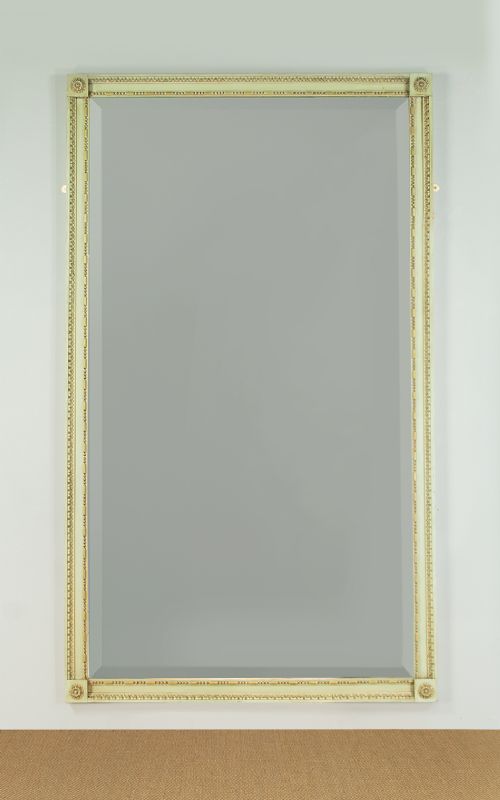
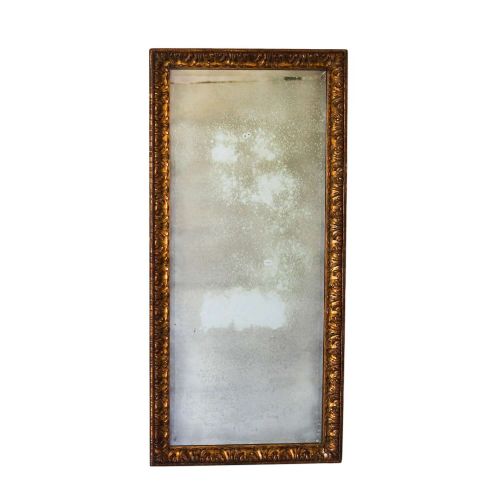


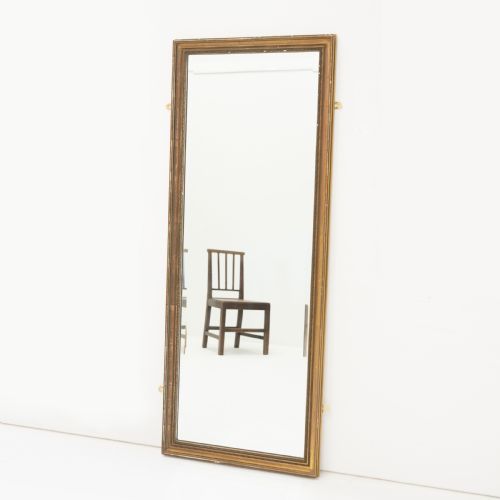


Gilded Dressing Glass
A gilded dressing glass brings warmth and reflection to a room, offering the elegance of period craftsmanship for daily use.
Gilded Dressing Glass
When you search for a gilded dressing glass, you are looking at reflective pieces designed for personal grooming and interior adornment, originating from various periods including the eighteenth and nineteenth centuries.
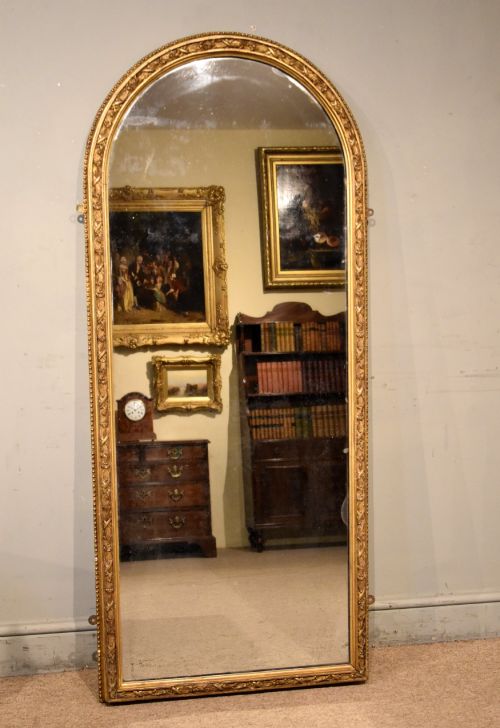
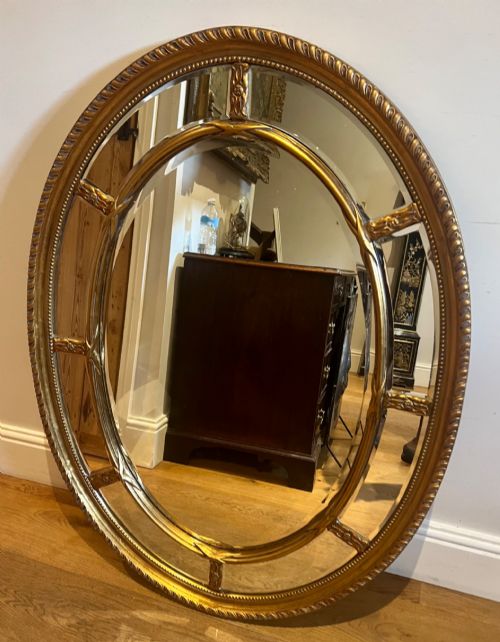
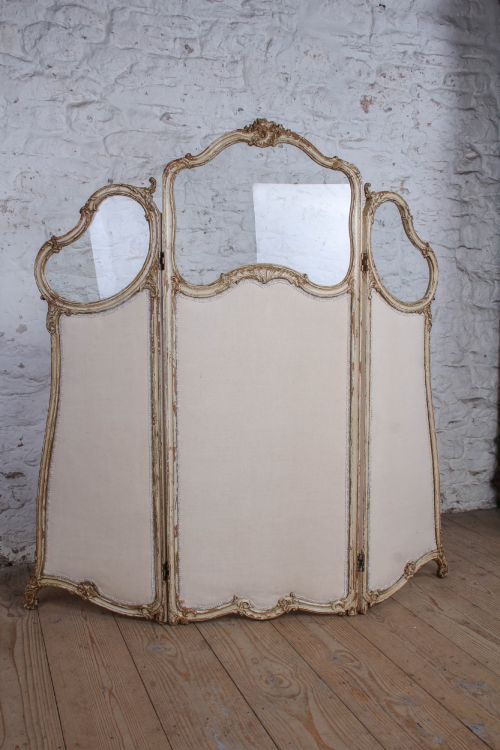
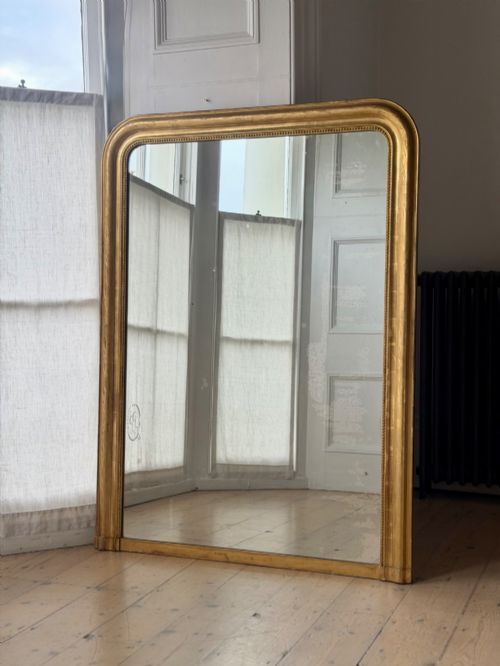
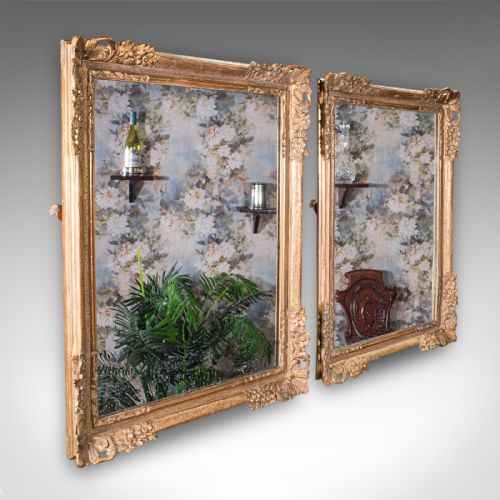
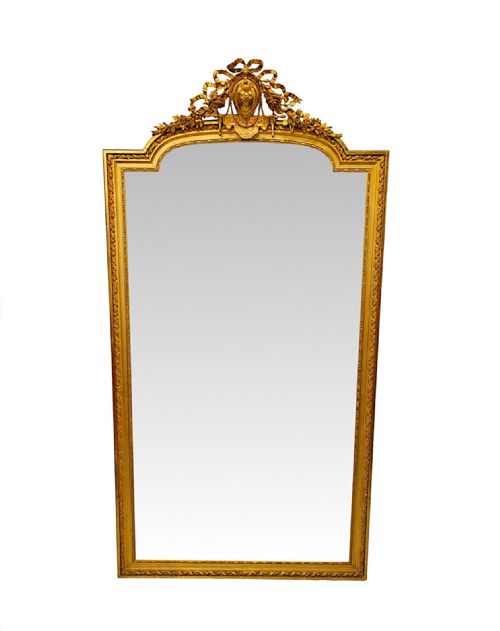
The most common versions met on this page include freestanding cheval mirrors, table mirrors, and vanity screens finished in gold leaf or gilt wood.
These items range in origin from French workshops to English makers, reflecting styles such as Regency, Louis XVI, and Victorian tastes.
How they were made
Maker's workshops utilised carved wood, gesso, and plaster composition to build the ornate frames before applying gold leaf or paint finishes.
The reflective elements consist of traditional mercury glass or later bevelled glass plates secured within the decorative structures.
Gilded Dressing Glass Retail Price Guide 2026
Typical asking prices for gilded dressing glass among the pieces listed under this phrase on Sellingantiques today, from the lower quarter to the upper quarter. They describe what is for sale here now, not the wider market.
Some nineteenth-century dressing screens fold away neatly, proving that Victorians knew how to hide the morning mess.
What varies in quality
The depth and refinement of the carved detail in the giltwood or gesso frame separate standard examples from finer works.
The clarity and preservation of the original mercury or bevelled glass plate indicate the overall standard of the piece.
The Gilded Dressing Glass Glossary
- Giltwood
- Wood that has been coated with gold leaf or a gold-coloured finish. This material forms the primary structure of many decorative period frames.
- Cheval mirror
- A freestanding full-length mirror suspended in a frame that allows it to tilt. These large pieces were essential for dressing rooms.
- Gesso
- A plaster-like mixture applied to wood frames to create a smooth surface for carving and gilding. It allows for intricate relief ornamentation.
- Mercury glass
- A type of glass double-walled and silvered between the layers with a liquid mercury amalgam. It produces a distinctive misty reflection found on older pieces.
- Pier mirror
- A tall mirror designed to hang on the wall between windows or above a console table. They often feature elaborate gilded crests.
Gilded Dressing Glass: Frequently Asked Questions
How do I place a dressing glass?
Position the glass where it captures natural daylight to brighten the surrounding space effectively.
Ensure freestanding cheval versions have stable floor placement away from heavy foot traffic.
Are these mirrors suitable for bathrooms?
Period gilded surfaces and traditional mercury glass react sensitively to high moisture levels.
Keep them in dry bedrooms, dressing rooms, or hallways to preserve the finish.
How do I date a gilded mirror?
Examine the construction methods, wood types, and the composition of the frame behind the gilding.
Original glass plates and backboards also offer clues regarding the century of manufacture.
What is the difference between cheval and wall mirrors?
Cheval mirrors are tall, freestanding units supported by a pivoting frame on legs or feet.
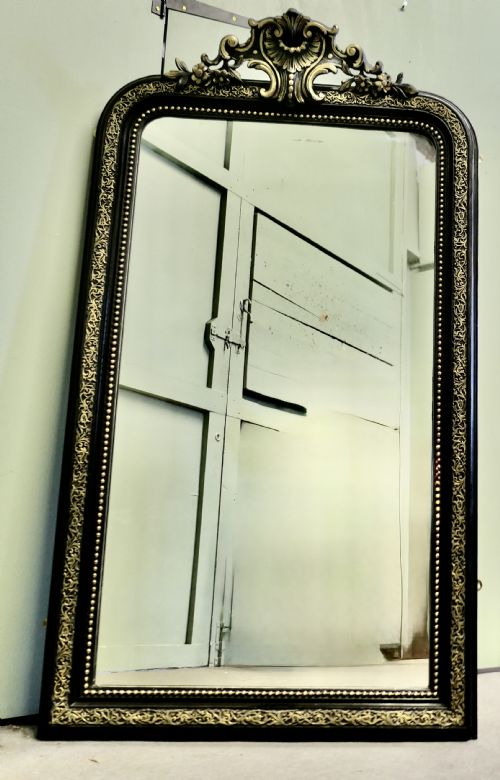
Wall mirrors are fixed directly to vertical surfaces and often pair with console tables.