




Gilded Clear Glass Bottle
A gilded clear glass bottle brings brilliant sparkle and timeless craftsmanship to any interior.
Gilded Clear Glass Bottle
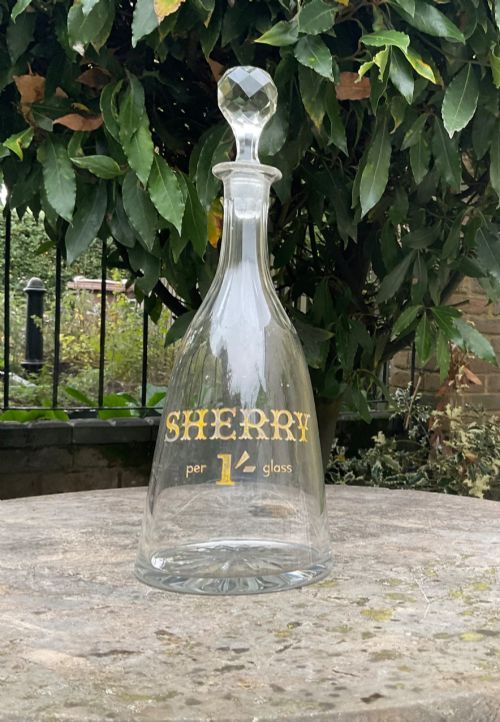
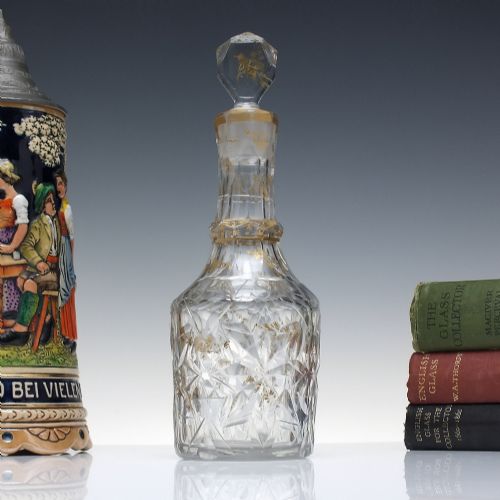
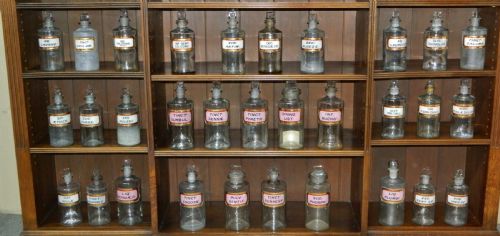
A gilded clear glass bottle encompasses a range of refined vessels, including decanters, apothecary jars, scent bottles, and ewers created across the eighteenth, nineteenth, and early twentieth centuries. These functional items served practical purposes in homes, pubs, and chemists' shops before evolving into decorative display objects.
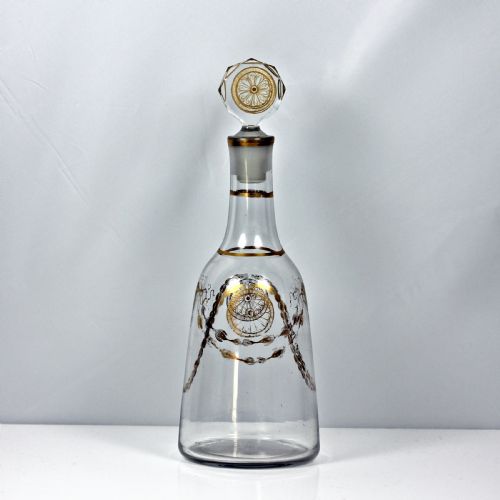
You are most likely to encounter Victorian and Georgian examples on this page, spanning clear glass, lead crystal, and crystal configurations adorned with gold leaf, enamel, or paint. Forms vary from sturdy pub decanters and chemists' jars to delicate French carafes and half-sized decanters attributed to the James Giles atelier.
How they were made
The foundation of these vessels relies on blown and cut clear glass or lead crystal, shaped into robust apothecary jars, ewers, and decanters. Artisans utilised brass fittings where appropriate, creating sturdy structures designed for daily utility in medical, domestic, or commercial settings.
Surface decoration involves the meticulous application of gold leaf, enamel, and paint directly onto the transparent body. Skilled decorators embellished these glass surfaces with gilded highlights, lettering, and motifs that adhere firmly to the historical styles of the Georgian and Victorian eras.
Gilded Clear Glass Bottle Retail Price Guide 2026
Typical asking prices for gilded clear glass bottle among the pieces listed under this phrase on Sellingantiques today, from the lower quarter to the upper quarter. They describe what is for sale here now, not the wider market.
The listings span Victorian, Georgian, and early twentieth-century periods, showcasing clear glass, lead crystal, gold leaf, and enamel.
What varies in quality
The refinement of the glass body and the precision of the cutting establish the baseline of quality across these vessels. Heavier lead crystal and deeply faceted clear glass represent a higher standard of manufacture compared to simpler, utilitarian utility glass.
The artistic execution and preservation of the gilding and enamel work create the most significant distinction between ordinary utility containers and high-end decorative pieces. Finely preserved gold leaf application from established workshops elevates a standard apothecary jar or decanter into a notable work of craftsmanship.
James Giles
The Gilded Clear Glass Bottle Glossary
- Decanter
- A vessel used for holding and serving liquids such as wine or spirits. These pieces often feature glass stoppers and faceted bodies.
- Apothecary jar
- A container utilised by chemists and pharmacists for storing medicinal substances, herbs, and chemical preparations. They frequently feature labels or gilded inscriptions.
- Lead crystal
- A type of glass containing lead oxide, which increases the clarity, weight, and brilliance of the material. This composition allows for sharper and deeper decorative cutting.
- Gold leaf
- Gold beaten into extremely thin sheets used for gilding surfaces. It provides a luminous, metallic finish on glass and ceramic decorative objects.
- Ewer
- A large jug with a wide spout traditionally used for carrying water or wine. In these listings, they appear alongside decanters and carafes as decorative serving ware.
Gilded Clear Glass Bottle: Frequently Asked Questions
What were apothecary jars used for?
Apothecary jars served as storage vessels in chemists' shops and dispensaries to hold dry chemicals, tinctures, and medicinal preparations securely. Their tight-fitting covers protected the contents from moisture and contamination.
Over time, these practical containers transitioned into decorative interior items due to their striking glass forms and gilded labels.
How do I date a glass decanter?
Dating relies on examining the manufacturing techniques, glass clarity, and the style of the cutting or neck finish. Georgian pieces often display pontil marks and distinct hand-cut facets.
Victorian and later examples incorporate machine-finished elements, heavier lead crystal compositions, or specific decorative motifs corresponding to nineteenth-century design trends.
How should I clean gilded glass?
Gilded and enamelled glass requires gentle handling with a soft, dry cloth or a slightly damp sponge without harsh chemical cleaners. Abrasive materials will damage the delicate gold leaf and painted surfaces.
Immersion in water should be avoided to protect applied surface decoration and original labels from loosening.
What is the difference between a decanter and a carafe?
Decanters traditionally feature a fitted glass stopper designed to seal the contents and preserve spirits or wine. They tend to have heavier, cut-glass bodies.
Carafes usually lack a stopper and feature a simpler, open-necked profile intended for immediate table service of water or wine.