



Gilded Classical Head
A gilded classical head brings sculptural permanence and golden warmth to a room, drawing the eye instantly.
Gilded Classical Head
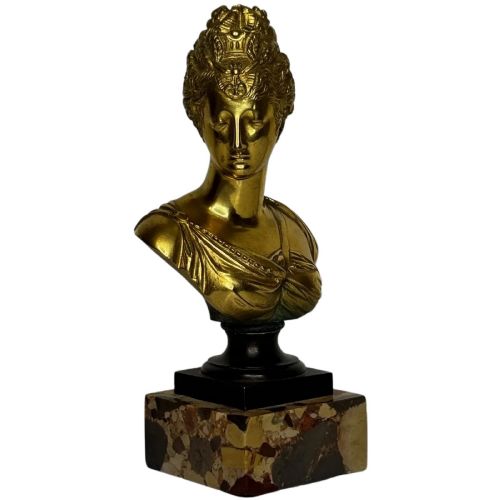
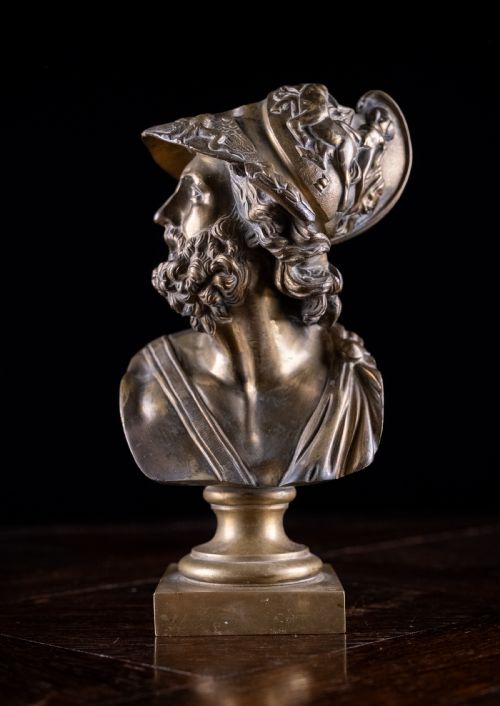
A gilded classical head represents figures from mythology, antiquity or portraiture rendered in bronze, ormolu, marble or porcelain, shaped by centuries of revival aesthetics.
The version most commonly met on this page is the nineteenth-century bronze or ormolu bust, often drawing on neoclassical or baroque vocabularies.
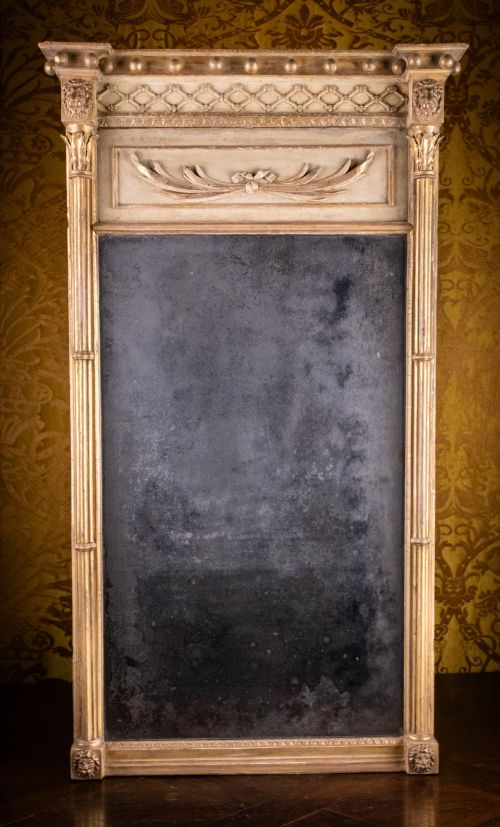
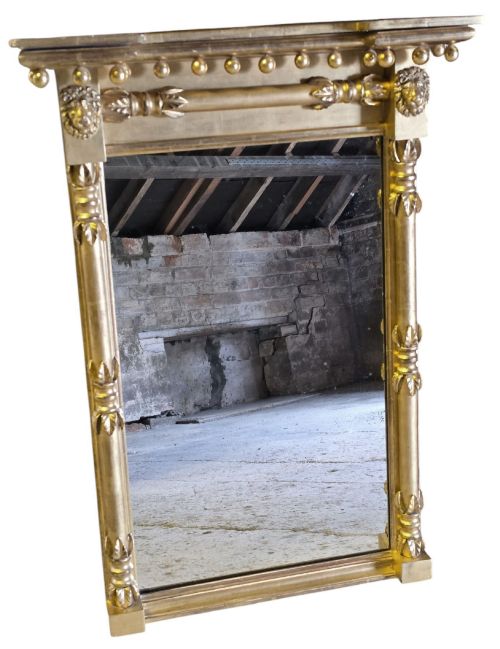
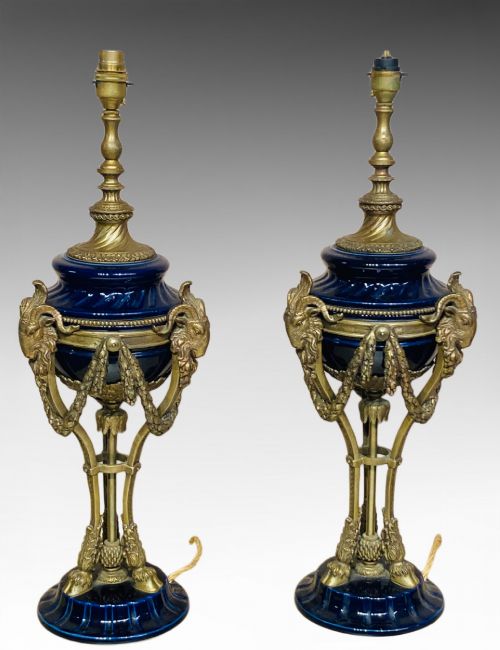
These items manifest as table lamps, wall mirrors, console tables and standalone sculptures, uniting utilitarian function with classical ornamentation.
Materials and construction methods
Giltwood and gesso work required intricate carving and plaster application before the gold leaf was laid down by hand.
Porcelain and mirror glass were integrated into bonbonnieres and console tables, combining delicate ceramic painting with robust gilded metal mounts.
Gilded Classical Head Retail Price Guide 2026
Typical asking prices for gilded classical head among the pieces listed under this phrase on Sellingantiques today, from the lower quarter to the upper quarter. They describe what is for sale here now, not the wider market.
Listings feature materials including gilt bronze, marble, ormolu, giltwood, gesso, brass, gilt metal and mirror glass.
Distinctions in quality and execution
The finest examples display crisp chasing in the metalwork, where individual locks of hair and facial expressions remain sharp and expressive after gilding.
Material selection dictates much of the stature, with solid marble bases and heavy cast ormolu or bronze outperforming lighter composite metals.
The integration of the head into functional objects, such as lamp bases or console supports, reveals whether the sculptural form was considered a primary focus or an afterthought.
Edme Samson Of Paris·G.V. Vaerenbergh
The Gilded Classical Head Glossary
- Ormolu
- Gilded bronze produced by applying a mercury and gold amalgam to cast bronze, fired to drive off the mercury. This technique creates a durable, luminous golden finish characteristic of French decorative arts.
- Neoclassical
- A style spanning the eighteenth and nineteenth centuries that revived the classical motifs, proportions and subject matter of ancient Greece and Rome. It values symmetry, restraint and heroic dignity.
- Gesso
- A plaster mixture applied to wood surfaces as a smooth base for gilding or painting. It allows intricate relief details to be modelled before the application of gold leaf.
- Curule stool
- An ancient Roman chair shape featuring intersecting curved legs, revived during the nineteenth century in giltwood and other luxury materials. It denotes a seat of magistrate authority.
- Bonbonniere
- A small ornamental box intended for holding sweets or confectionary. These vessels often feature porcelain bodies with hinged metal mounts and detailed sculptural lids.
Gilded Classical Head: Frequently Asked Questions
What periods do these pieces span?
The selection ranges primarily across the nineteenth century, drawing heavily on earlier eighteenth-century designs and classical revival movements.
Craftsmen across these decades reinterpreted ancient forms using contemporary casting and gilding techniques.
How were bronze busts used originally?
These sculptures served as intellectual and aesthetic ornaments in libraries, studies and grand reception rooms.
They demonstrated the owner's classical learning and refined taste in classical antiquity.
How do I clean gilded bronze?
Dust gently with a soft, dry brush to prevent the accumulation of particles in the recessed chased details of the metal.
Avoid chemical cleaning agents or abrasive cloths, which can strip the thin layer of historical gilding.
Can these lamps be rewired?
Most antique lighting can be adapted by a professional electrician to meet modern safety standards while retaining the original ormolu and bronze components.
Care is taken to preserve the original mounting holes and structural integrity of the bust.