


Gilded China Tea Cups
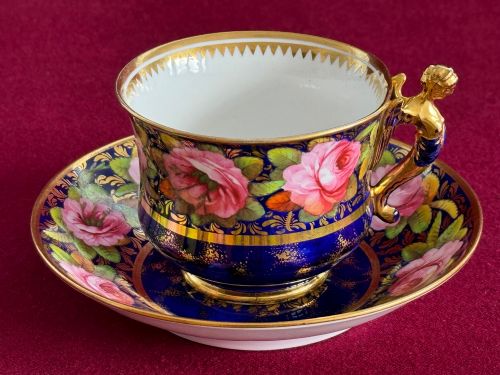
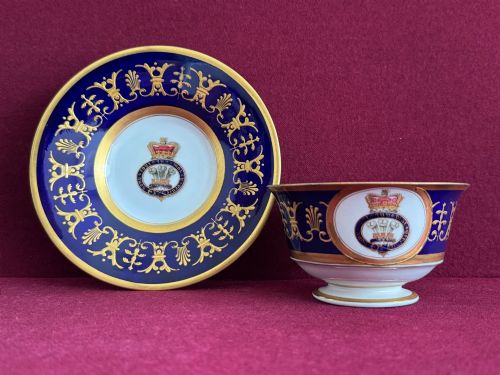
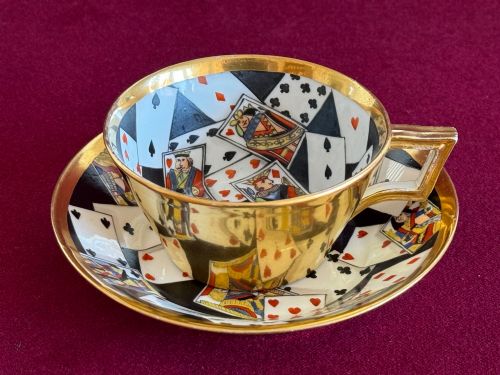
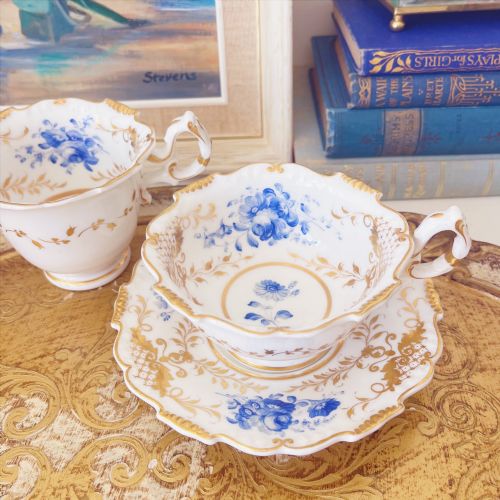
Gilded china tea cups bring gold leaf and hand-painted detail to the table, spanning Georgian elegance through to Edwardian service.
Gilded China Tea Cups
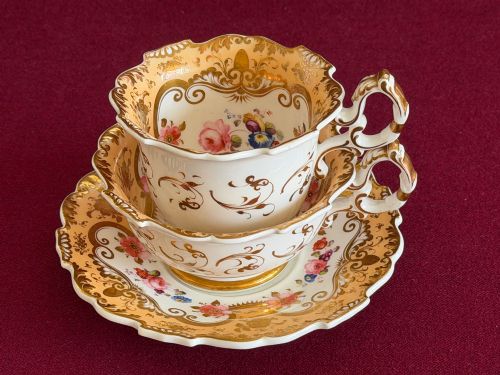
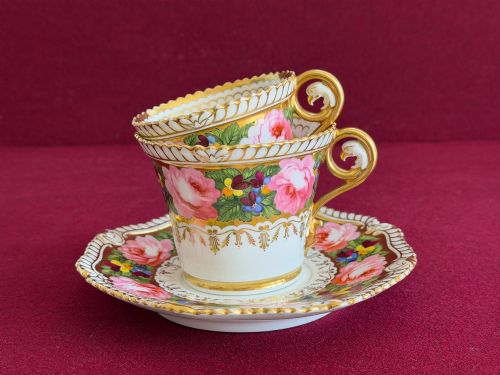
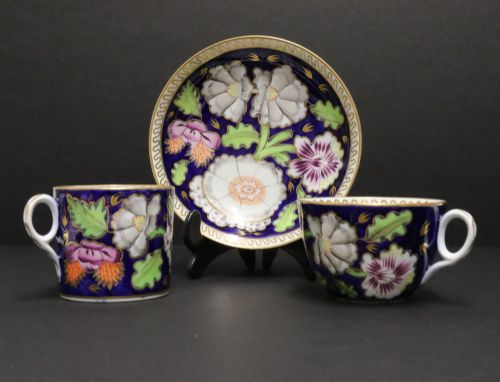
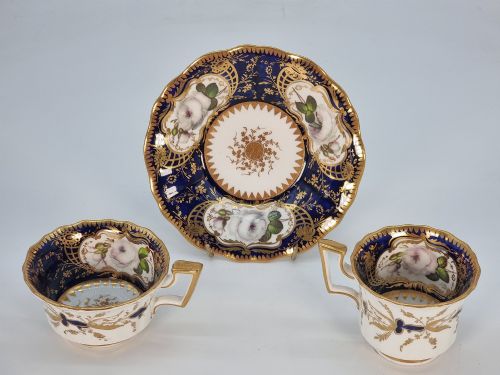
Gilded china tea cups comprise individual teacups, saucers, trios, and complete tea services produced across the eighteenth, nineteenth, and early twentieth centuries. These pieces represent a long tradition of domestic tea drinking, often supplied as cabinet porcelain or functional sets for afternoon tea.
The versions most likely to appear on this page date from the Georgian and Regency eras through the Victorian period, featuring both English manufactories and Chinese export pieces. Forms range from simple tea bowls and saucers to elaborate trios with matching coffee cups.
Makers from historic pottery centres across England dominate the selections, alongside continental and export works. Buyers encounter both single cabinet display items and multi-piece afternoon tea sets intended for historical table settings.
How they were made
Potters utilised porcelain, bone china, soft-paste porcelain, and ironstone as the primary ceramic bodies for these wares. Artisans shaped these materials on wheels or pressed them into moulds before initial firing.
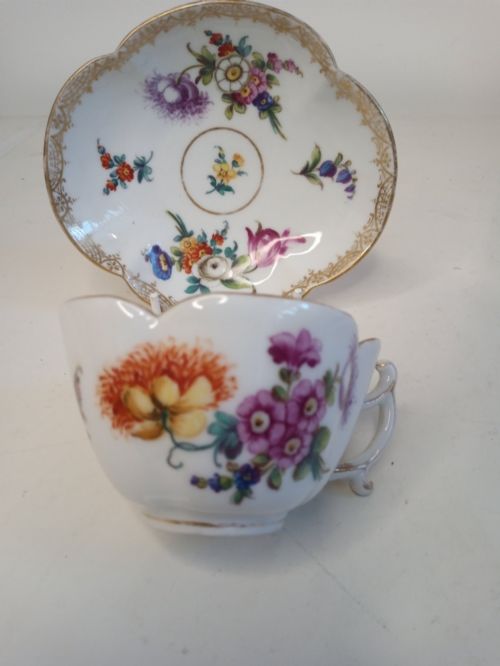
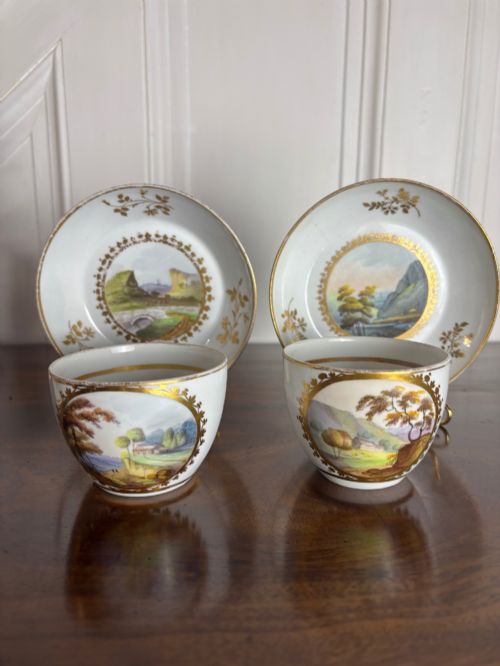
Decoration relied on hand-painted enamels combined with gold leaf, gilding, and gold gilt applied by brush. Firing fixed the metallic leaf and polychrome pigments onto the glazed ceramic surface.
Some cups feature delicate image handles shaped to look like tiny twigs.
What varies in quality
The standard of hand-painted detail separates basic production ware from premier cabinet pieces. Precision in brushwork, particularly on landscapes, birds, and botanical motifs, indicates the skill of the original decorator.
The application and preservation of the gold leaf dictate the visual impact of the set. Thickly applied burnished gilding retains its brilliance better than thin washes that wear away through handling and washing.
H & R Daniel·Chamberlain Worcester·Newhall·Minton·Flight Barr & Barr·Derby·Hicks Meigh & Johnson·Royal Worcester·Doric China Longton Stafford·Masons·Davenport·Spode·Duesbury & Kean
The Gilded China Tea Cups Glossary
- Trio
- A matching set comprising a teacup, coffee cup, and saucer. This combination was common during the Georgian and Regency periods.
- Tea bowl
- A handleless vessel used for drinking tea before the widespread adoption of handled cups in European ceramics. These small vessels date largely to the eighteenth century.
- Soft-paste porcelain
- An artificial porcelain mixture fired at lower temperatures than hard-paste ceramic. It creates a warm, translucent body popular with early English potteries.
- Cabinet trio
- A decorative set intended primarily for display in a cabinet rather than daily service. These items often showcase superior hand-painted artistry and extensive gilding.
- Bat wing
- A specific pattern style featuring segmented decorative panels, seen on early twentieth-century Coalport porcelain. The design mimics the folded wings of a bat.
Gilded China Tea Cups: Frequently Asked Questions
What is a trio?
A trio consists of a matching teacup, coffee cup, and saucer used in historical tea service.
This combination allowed a household to serve different hot beverages using coordinated tableware during the Regency and Georgian eras.
How do I care for antique gilded china?
Antique gilded china requires gentle hand washing in warm water with mild soap.
Dishwashers and abrasive sponges destroy the delicate gold leaf and hand-painted enamel details accumulated over centuries.
Are these tea cups safe to use?
Most buyers treat antique porcelain as display or cabinet pieces rather than daily utility items.
Historic ceramic glazes and gold leaf can wear down, and older pieces benefit from careful handling during occasional use.
How do I identify the period?
Periods are identified through ceramic body composition, maker marks, and stylistic shifts like Regency neoclassical or Victorian embellishment.
Comparing pattern numbers and glaze textures against known factory histories helps pinpoint the manufacturing decade.