




Gilded Bronze Box
These gilded bronze box examples are ornate receptacles valued for their intricate metalwork and decorative presence.
Gilded Bronze Box
A gilded bronze box encompasses a range of small decorative containers including jewellery caskets, pill boxes, and table cabinets. These pieces emerge primarily from the nineteenth century, spanning Victorian and continental European workshops.
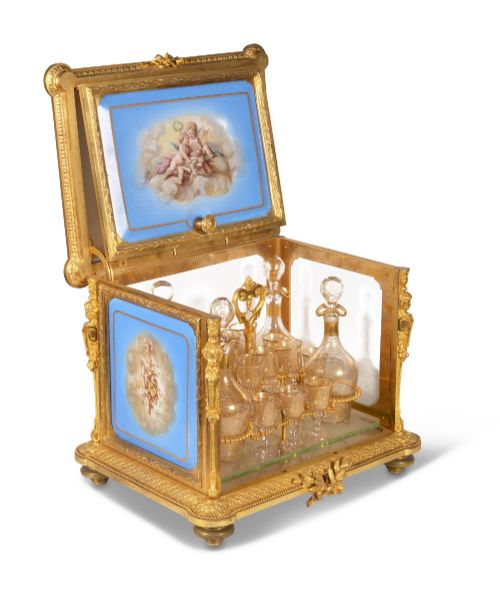
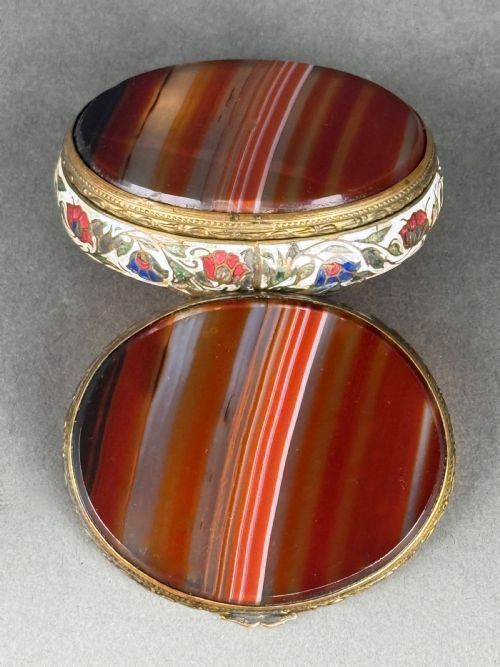
Buyers frequently encounter French and Viennese pieces utilising materials such as ormolu, gilt bronze, champleve enamel, and banded agate. Forms vary from simple trinket boxes to large jewellery caskets mounted with porcelain or glass.
The selection includes items incorporating decorative elements like Limoges miniatures, Sevres style porcelain, and cut crystal. These objects served both practical storage functions and as decorative centrepieces for nineteenth-century interiors.
How They Were Made
Constructed primarily from bronze or brass, these items employ fire gilding or ormolu techniques to achieve a bright gold-coloured metallic surface. Artisans also incorporated ebonised wood, rosewood, and copper frames to structure larger pieces like bijouterie tables and cabinets.
Many examples integrate decorative inserts of porcelain, cut glass, and enamel work such as champleve. Metal components are cast, chased, and mounted together to house panels of agate, glass, or painted ceramic miniatures.
Gilded Bronze Box Retail Price Guide 2026
Typical asking prices for gilded bronze box among the pieces listed under this phrase on Sellingantiques today, from the lower quarter to the upper quarter. They describe what is for sale here now, not the wider market.
Some nineteenth-century boxes double as tiny display cabinets, offering miniature glass shelves just waiting to host your smallest treasures.
What Varies in Quality
Quality rests upon the crispness of the bronze casting and the precision of the chasing work on the mounts. Superior examples display deeply articulated ornamentation rather than soft or smoothed surface details.
The integration of secondary materials dictates the overall calibre of the piece. Fine boxes combine well-preserved gilding with high-grade inserts such as hand-painted porcelain plaques, banded agate, or unblemished cut crystal.
The Gilded Bronze Box Glossary
- Ormolu
- A gold-coloured alloy of copper, zinc, and sometimes nickel, used in nineteenth-century metalwork. This material is cast and gilded to adorn boxes and furniture.
- Champleve enamel
- A technique where troughs are dug into a metal surface and filled with vitreous enamel before firing. Pieces from France frequently utilise this colourful decorative method.
- Bijouterie table
- A glass-topped display table designed to showcase small valuables and jewellery. These pieces often feature gilt bronze mounts and rosewood construction.
- Limoges miniature
- A small painted enamel plaque produced in the French city of Limoges. These works frequently inset the lids of nineteenth-century jewellery caskets.
Gilded Bronze Box: Frequently Asked Questions
What is a gilded bronze box used for?
These containers originally served to store small personal valuables, pills, snuff, or jewellery upon dressing tables and drawing-room surfaces.
They also functioned purely as decorative objects intended to display wealth and artistic taste in nineteenth-century interiors.
How do I identify a nineteenth-century piece?
Examine the construction methods, casting styles, and integrated materials such as hand-cut crystal, Sevres style porcelain, or champleve enamel.
Stylistic indicators include Victorian Gothic Revival, Art Nouveau, and French Rococo Revival aesthetics typical of the eighteen-hundreds.
What is the difference between ormolu and gilt bronze?
Ormolu specifically refers to a high-zinc brass alloy that mimics gold, widely utilised by French and Victorian metalworkers.
Gilt bronze denotes a bronze base metal treated with a gold wash or mercury gilding technique to achieve a similar metallic lustre.
How should I clean a gilded bronze box?
Dust the metalwork gently with a soft, dry cloth to prevent the accumulation of dirt within the chased crevices.
Avoid chemical polishes or water, as abrasive cleaning agents can strip away the original gilding and damage fragile enamel or glass inserts.