
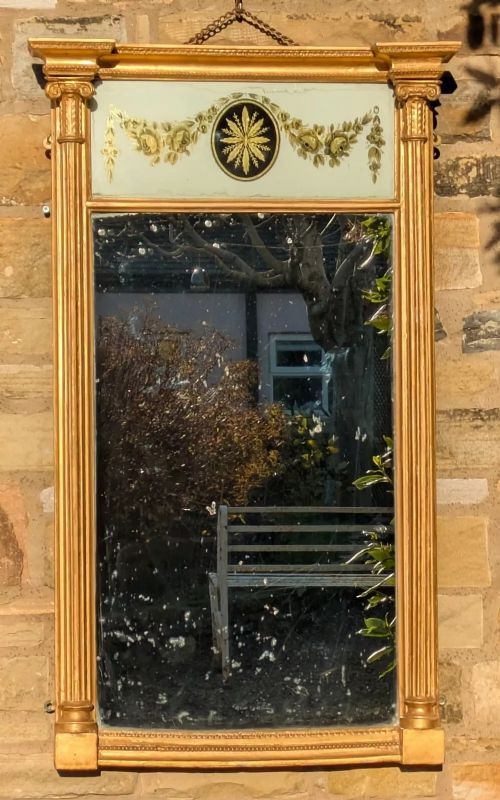
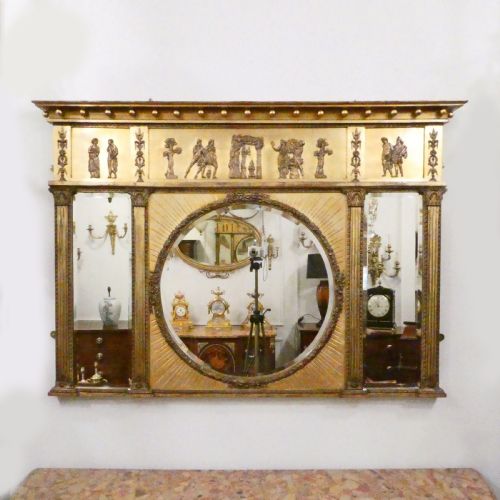


Gilded Panel Mirror
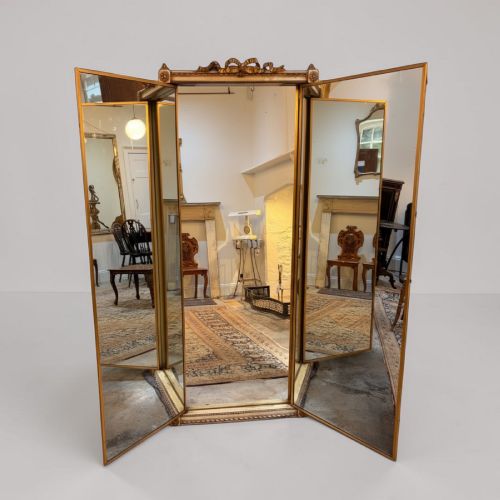
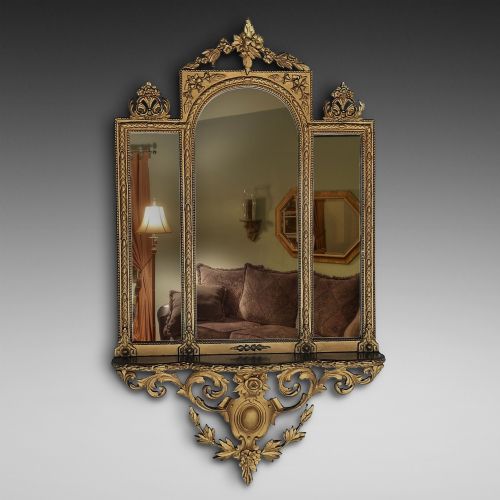
A gilded antique panel mirror brings architectural weight and reflected light to a room, combining carved frames with inset oil paintings, verre eglomise panels or decorative reliefs.
Gilded Panel Mirror
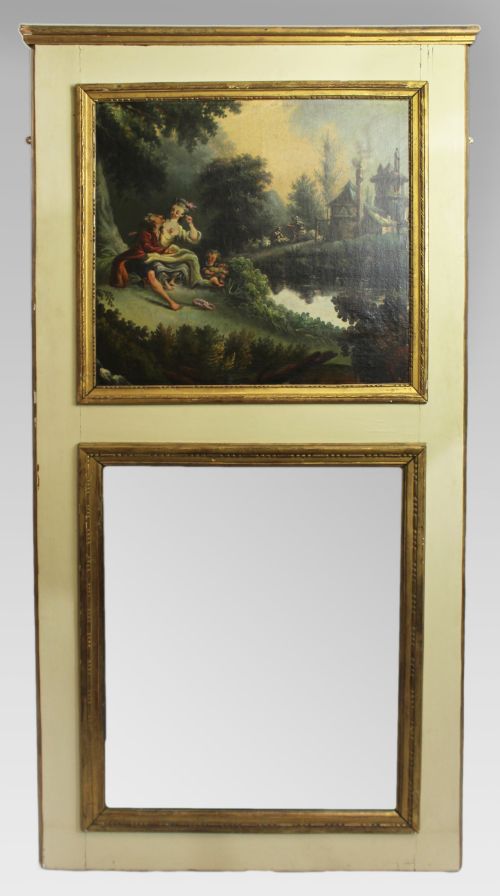
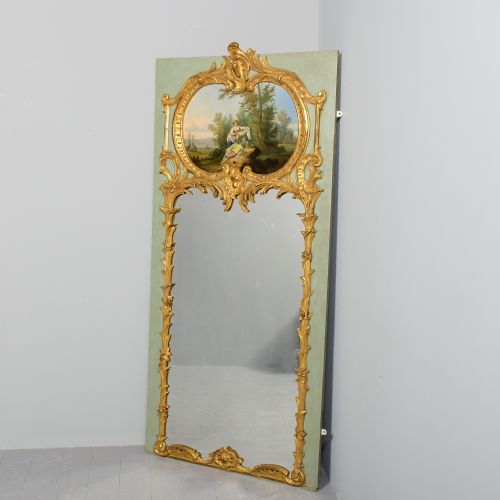
A gilded antique panel mirror combines a reflective glass plate with a secondary decorative compartment, such as a painted canvas or reverse-painted glass panel, set within a unified frame. Buyers searching this phrase encounter nineteenth-century pieces ranging from compact French trumeaux to expansive English overmantels.
The form spans several distinct regional traditions, predominantly French and English production from the nineteenth century. Pieces emerge from design vocabularies including Regency, Victorian, Louis XVI style and French Empire, often taking the form of pier glasses or landscape overmantels designed for specific architectural spaces.
Materials and construction
Makers built these frames using timber substrates finished with gesso and gold leaf or paint, frequently incorporating composition ornamentation for relief details like acanthus leaves and classical columns. Mirror glass plates sit alongside canvas oil paintings, majolica panels and verre eglomise panels within the same architectural structure.
Joinery and gilding techniques follow nineteenth-century workshop practices, applying gold leaf or paint over prepared gesso grounds built up on wood. Panel sections house either hand-painted pastoral scenes, mythological reliefs depicting figures like Bacchus and cherubs, or reverse-painted glass.
Variations in quality
Quality rests in the crispness of carved or composition ornament and the integration between the mirror plate and its associated panel section. Finer examples display hand-carved detail, well-executed oil paintings on canvas, or intricate verre eglomise work rather than plain painted surfaces.
The structural ambition of the piece dictates its standing, separating standard wall mirrors from elaborate triptych overmantels with specialised motifs like Ho Ho birds, squirrels or Egyptian revival columns. The depth of the moulding and the cohesion of the gilding further distinguish the upper tier.
The Gilded Panel Mirror Glossary
- Trumeau mirror
- A wall mirror incorporating an upper painted or carved panel within the frame structure, originating in eighteenth and nineteenth-century French interior design.
- Verre eglomise
- A cold decoration technique involving gilt and painted designs applied to the reverse of glass panels, frequently seen in upper sections of pier glasses.
- Pier glass
- A tall mirror specifically designed to hang on the wall space between two windows, often reflecting light back into the centre of a room.
- Overmantel mirror
- A wide horizontal mirror built to sit on the chimney breast directly above a fireplace mantelpiece, sometimes featuring multiple plate divisions.
- Composition
- A moulded mixture of whiting, resin, linseed oil and glue pressed into decorative relief ornaments for picture and mirror frames.
Gilded Panel Mirror: Frequently Asked Questions
What is a trumeau mirror?
A trumeau mirror is a wall glass that incorporates a decorative panel above the reflective plate. This upper section frequently contains an oil painting or a carved relief.
Originating largely in France, these pieces served as permanent architectural fittings within grand rooms. They combine the functions of artwork and mirror in a single frame.
Where should an overmantel mirror go?
An overmantel mirror is designed to hang directly above a fireplace mantelpiece. Its wide horizontal proportions suit the architectural span of a chimney breast.
Beyond the fireplace, these landscape mirrors function effectively on large expanses of drawing room wall. They reflect natural light across the space from surrounding windows.
What is verre eglomise?
Verre eglomise is a method of applying gold leaf and paint to the reverse side of a glass panel. This technique protects the delicate metallic work behind the transparent surface.
In these mirrors, the glass panel sits above the main looking glass plate. It provides a decorative focal point with a reflective, metallic sheen.
How do I date a gilded mirror?
Dating relies on stylistic markers such as Regency acanthus carving, Empire classical columns or Victorian proportions. Construction materials like composition ornament also point to specific nineteenth-century decades.
Examining the backboards, framing techniques and the silvering of the mirror glass helps narrow the period. Regional design characteristics further indicate whether a piece is English or French.