




Gilded Display Case
A gilded antique display case brings warmth and theatre to any room, framing precious collections behind pristine glass.
Gilded Display Case
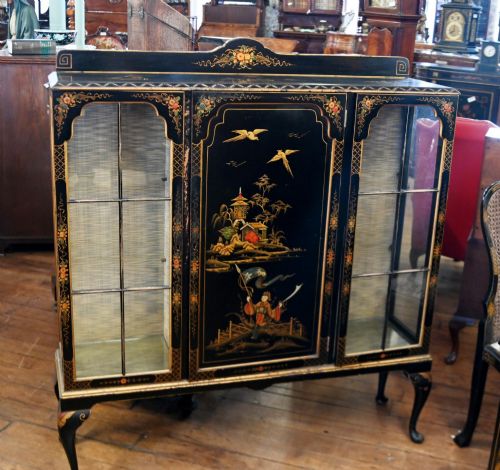
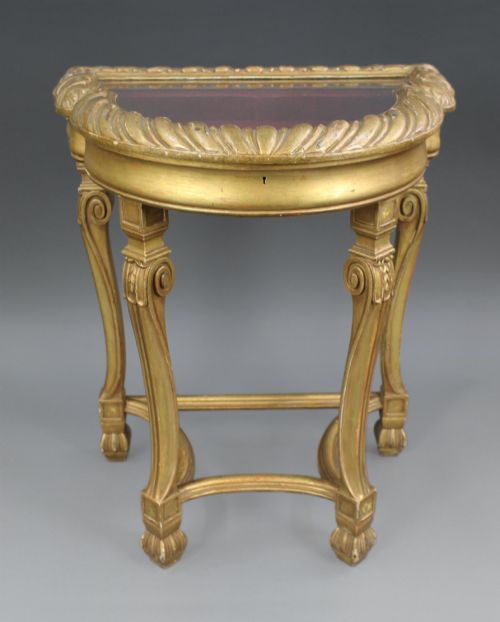
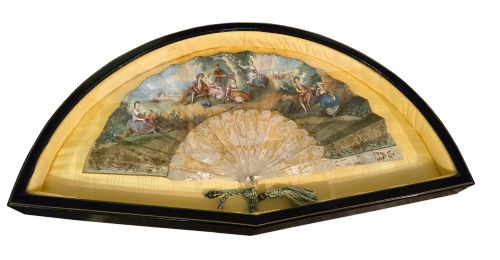
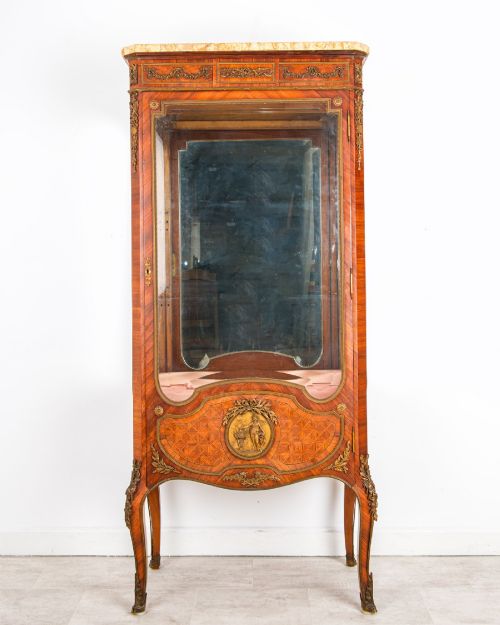
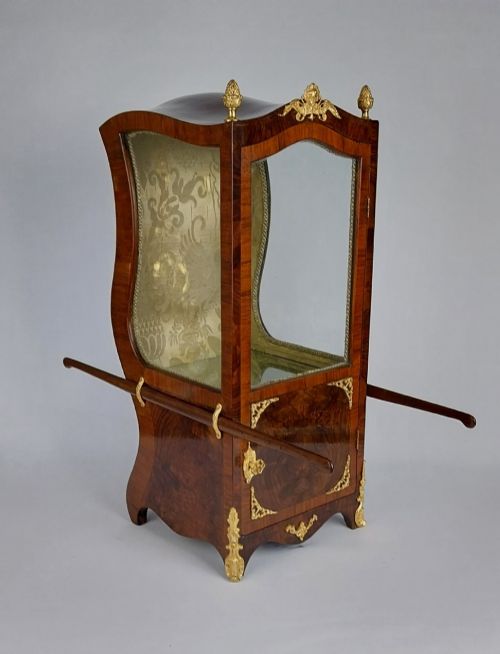
When you search for a gilded antique display case, you encounter an array of vitrines, wall-hanging cabinets, and table-top display pieces designed to show off fine objects. These items range from nineteenth-century French Kingwood cabinets to Edwardian Chinoiserie pieces and compact tabletop fan cases.
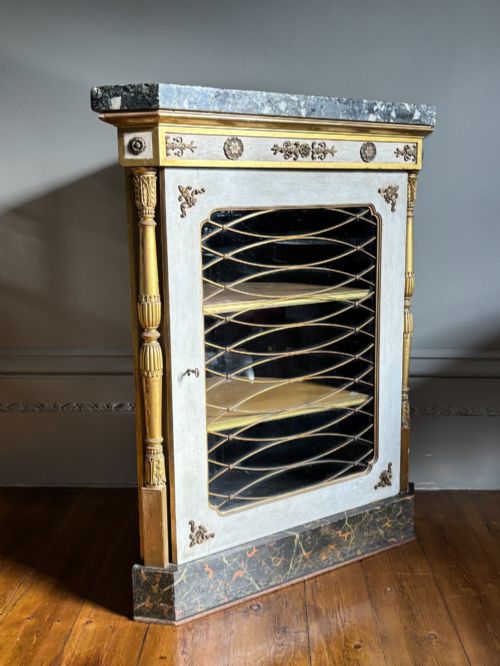
The most common examples on this page are nineteenth-century French vitrines featuring glazed sides and doors, often ornamented with ormolu mounts and marble tops. Alongside these stand larger shop display counters and pedestal cabinets that utilise giltwood or gold leaf surfaces to catch the light.
Originating largely from French and English workshops during the eighteenth and nineteenth centuries, these pieces served both domestic interiors and commercial premises. They span stylistic revivals including Louis XV and Louis XVI, incorporating classical lines or elaborate rococo curves.
How they were made
Cabinetmakers constructed the foundational carcasses using timber such as mahogany, rosewood, and Kingwood, frequently applying veneers and intricate lacquer work. Artisans then integrated curved and flat glass panels to protect the contents while maintaining visibility from multiple angles.
Gilding techniques involved applying gold leaf or liquid gold to carved wooden frames, or casting detailed bronze elements to create ormolu mounts. These metal decorations were chased and fire-gilded before being fixed to the corners, feet, and cornices of the cabinetry.
Gilded Display Case Retail Price Guide 2026
Typical asking prices for gilded display case among the pieces listed under this phrase on Sellingantiques today, from the lower quarter to the upper quarter. They describe what is for sale here now, not the wider market.
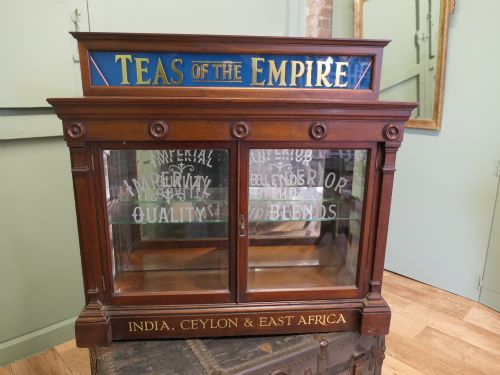
Several cabinets here were built specifically for tea rooms and cafes, proving that Victorians enjoyed showing off their biscuit tins with absolute grandeur.
What varies in quality
The distinction between standard commercial pieces and top-tier examples lies in the crispness of the gilt work and the depth of the cabinetmaker's carvings. Superior pieces exhibit hand-chased ormolu mounts and finely rendered Vernis Martin painted panels rather than mass-produced ornamentation.
Structural harmony also dictates value, seen in how seamlessly the glazed doors close and how well the marble tops integrate with the wooden base. Higher quality items maintain proportion across complex serpentine or bow-end shapes, ensuring the gilding enhances rather than overwhelms the timber.
François Linke·Maison Krieger
The Gilded Display Case Glossary
- Vitrine
- A glass-sided cabinet specifically designed for displaying porcelain, curiosities, or small works of art. These pieces often feature glazed doors on the front and sides to maximise interior light.
- Ormolu
- Gilded bronze mounts applied to furniture and decorative objects during the eighteenth and nineteenth centuries. The technique involves applying a mercury and gold amalgam to cast bronze before heating.
- Vernis Martin
- A type of decorative lacquer work developed in eighteenth-century France mimicking Asian lacquer finishes. Artisans applied multiple translucent varnish layers over painted pastoral or oriental scenes.
- Kingwood
- A dense, richly grained tropical timber prized by cabinetmakers for decorative veneering. Its deep brown colour and distinct figuring made it a favourite for high-end French vitrines.
- Giltwood
- Timber that has been coated with a thin layer of gold leaf or gilt powder over a prepared gesso ground. This finish provides a luminous, reflective surface characteristic of formal period frames and mounts.
Gilded Display Case: Frequently Asked Questions
What fits inside a small vitrine?
These compact cabinets suit delicate items such as pocket watches, scent bottles, miniature portraits, and antique fans. The glass protection keeps dust away while allowing clear viewing from multiple angles.
Larger floor-standing versions accommodate porcelain dinner services, glassware, or silver collections. Interior glass shelves help distribute light throughout the display space.
How do I clean gilded surfaces?
Dust giltwood and ormolu mounts gently using a soft, dry artist's paintbrush or a feather duster. Avoid commercial metal polishes, as abrasive compounds can strip away the delicate gold leaf.
Keep these cabinets away from direct sunlight and strong heat sources to prevent the wood from warping and the adhesives beneath the gilding from drying out.
Where should I place a display cabinet?
Position your cabinet away from damp areas and fluctuating temperatures to protect the antique timber joints and delicate veneer work. Placing the piece perpendicular to a window maximises the light passing through the side glass panels.
Ensure the floor is level so the doors hang true and open smoothly without catching on the frame or scratching internal shelves.
How do I distinguish French and English styles?
French display pieces from the nineteenth century frequently employ exuberant ormolu mounts, serpentine curves, and Vernis Martin painted panels inspired by Louis XV and Louis XVI aesthetics. Marble tops are also a common feature on continental vitrines.
English Edwardian cabinets tend to embrace cleaner lines, occasionally drawing on Chinoiserie lacquer traditions with structured framing and simpler interior layouts.