






German Wood Carving
German wood carving delivers centuries of sculptural skill through Black Forest animal studies, religious figures and architectural clocks.
German Wood Carving
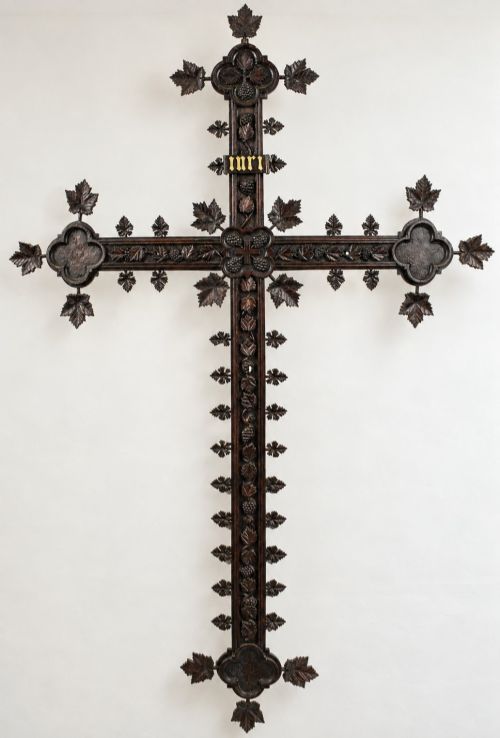
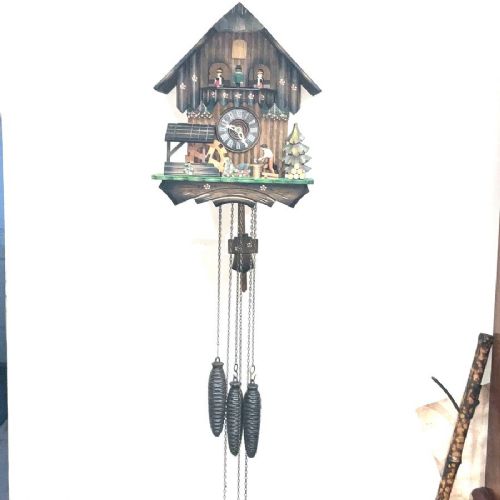
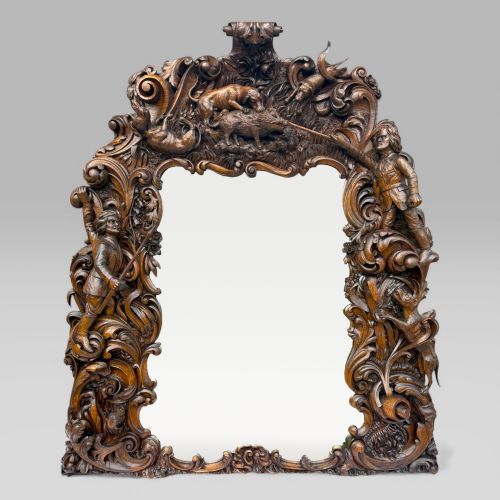
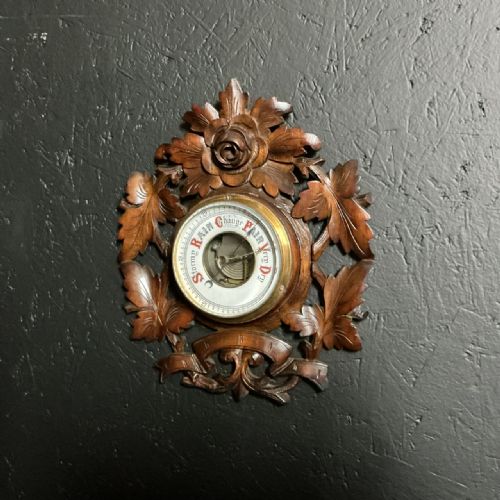
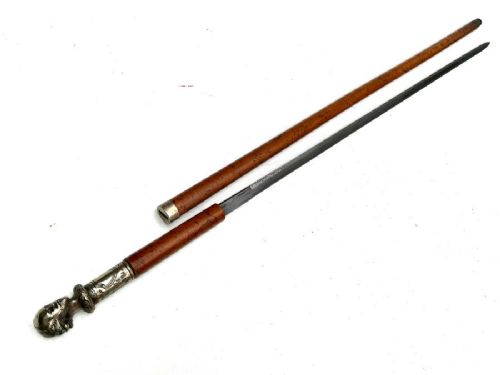
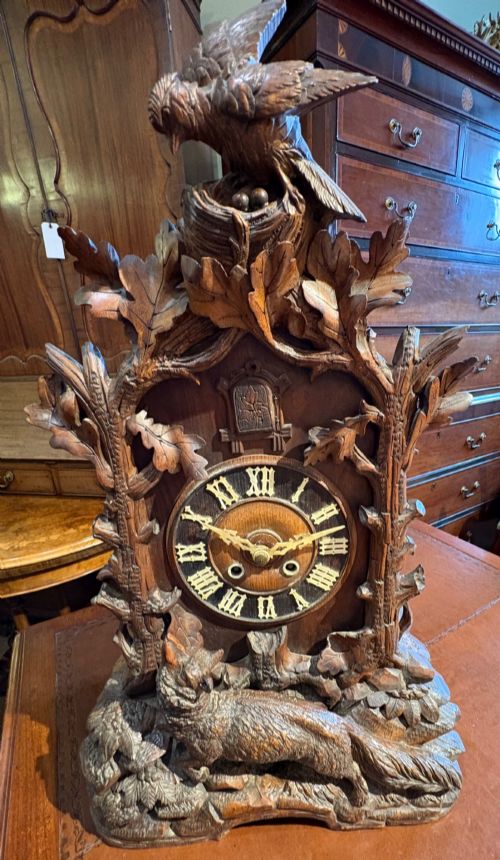
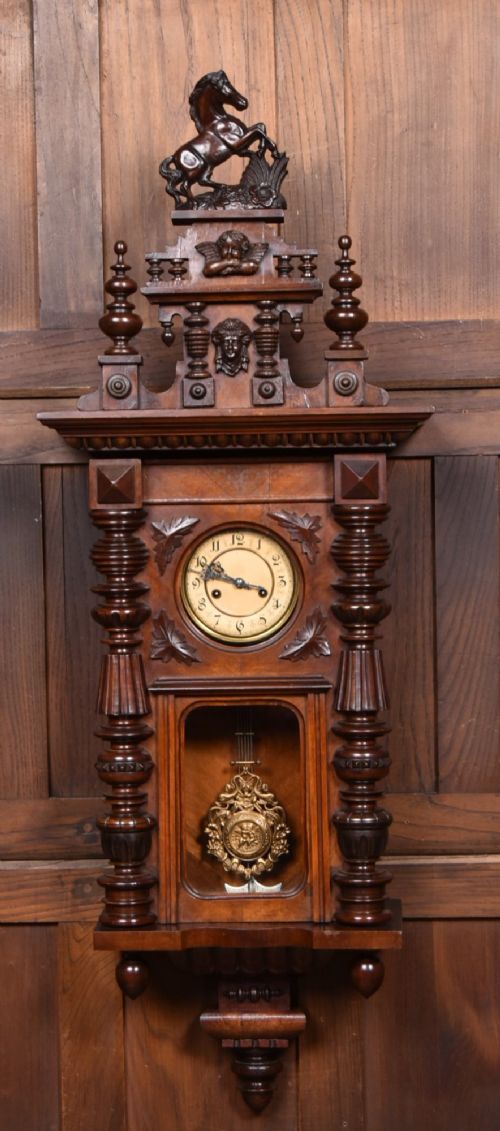
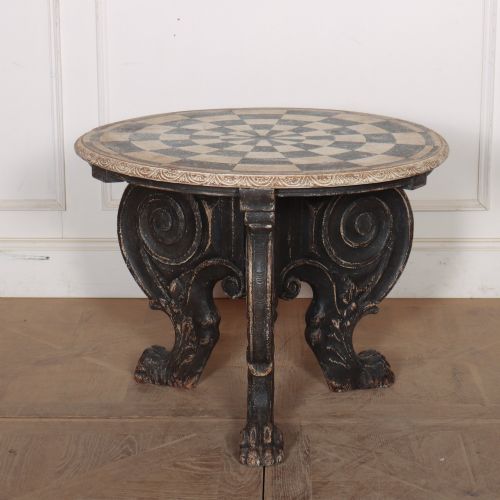
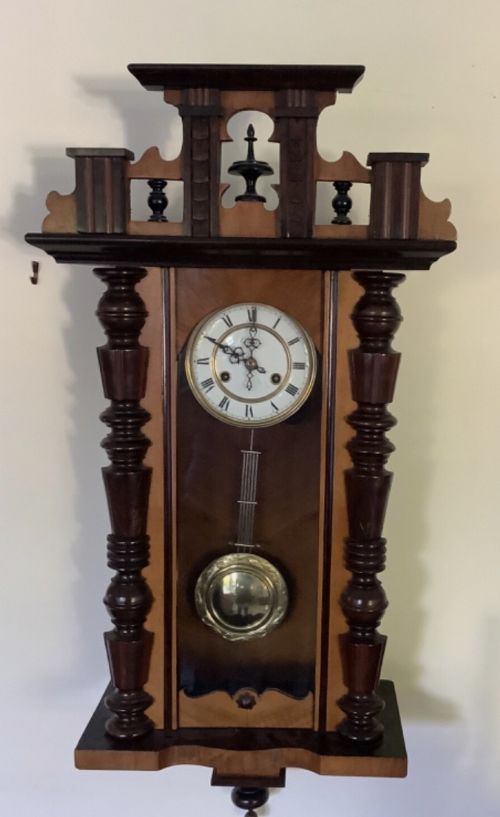
German wood carving encompasses sculptural figures, functional clocks, wall panels and walking sticks produced across the seventeenth, eighteenth and nineteenth centuries. Buyers searching for german wood carving frequently encounter Black Forest cuckoo clocks, barometers and animal studies originating from regional workshops.
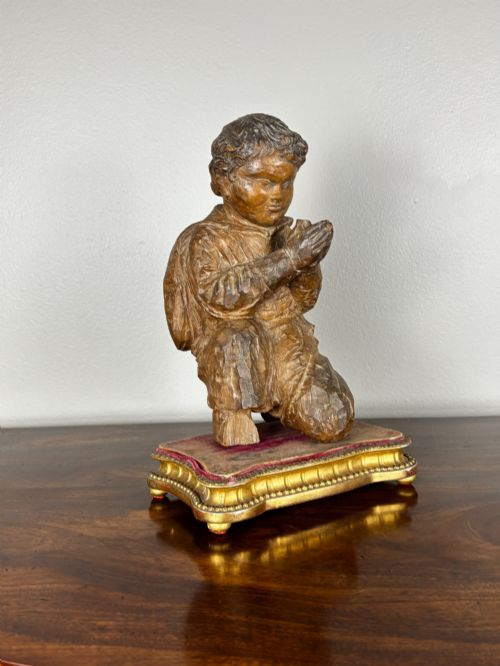
The material record includes substantial oak overmantle mirrors, lindenwood devotional figures and walnut wall clocks. Many pieces reflect regional styles such as Gothic Revival, Baroque and the distinct naturalism of the Black Forest tradition.
Materials and Construction
Carvers utilised native timbers including walnut, oak, boxwood and lime wood, selecting softer woods for intricate relief panels and harder oaks for structural furniture and architectural surrounds. Hand-carving techniques define the surface, employing gouges and chisels to create deep undercut foliage and realistic animal fur.
Polychrome decoration and giltwood appear on seventeenth-century religious figures, while domestic objects rely on the natural grain of walnut and oak finished with wax. Mechanical elements in clocks and barometers integrate brass movements and glass dials directly into the carved wooden housings.
German Wood Carving Retail Price Guide 2026
Typical asking prices for german wood carving among the pieces listed under this phrase on Sellingantiques today, from the lower quarter to the upper quarter. They describe what is for sale here now, not the wider market.
An eighteenth-century carver once rendered the Pied Piper alongside an army of remarkably determined wooden rats.
Assessing Quality
Execution of detail separates standard production items from masterworks, visible in the anatomical precision of animal carvings and the depth of undercut relief work. Crisp tool marks indicate skilled hand-carving, whereas softened edges suggest secondary casting or excessive sanding.
Integration between the wooden housing and the mechanical or functional component determines the structural integrity of clocks and barometers. Original surface patination and the survival of delicate projections, such as antlers or fingers, dictate the overall preservation state.
Simon Troger·Franz Keller·Gustav Becker·Johann Baptist Beha
The German Wood Carving Glossary
- Black Forest
- A regional style of nineteenth-century wood carving originating from the mountain region of Germany and Switzerland, characterised by realistic depictions of animals and foliage.
- Lindenwood
- A pale, fine-grained timber frequently utilised by German carvers for intricate religious sculptures and relief panels due to its predictable cutting qualities.
- Polychrome
- A surface decoration technique employing multiple painted colours on wood, commonly found on seventeenth-century religious figures and saints.
- Relief panel
- A sculptural carving where the figures project from a flat background, often depicting hunting scenes or allegorical subjects in oak.
German Wood Carving: Frequently Asked Questions
How do I identify a Black Forest carving?
Black Forest carvings are typically rendered in walnut or lindenwood, depicting naturalistic animals, bears or foliage with deep undercut detailing. They originate primarily from the nineteenth century and often form the housing for clocks, barometers or nutcrackers.
Examine the grain and tool marks on the underside or reverse of the piece. Hand-carved examples display distinct chisel impressions rather than smooth, machine-moulded surfaces.
What wood types were used in German carvings?
Carvers selected specific timbers depending on the object's function and period, utilising lime wood and boxwood for detailed figures and oak or walnut for large panels and clock cases.
Lindenwood offers a soft, even texture suitable for deep sculptural relief, while oak provides the structural stability required for architectural mirrors and furniture.
How should I clean antique wood carvings?
Maintenance requires gentle dusting with a soft, dry brush to prevent dirt accumulation in the recessed undercut areas of the carving. Avoid liquid cleaners or modern polishes that can strip the historic wax finish.
Applying a microcrystalline wax periodically helps nourish the dry timber and protects the surface patination from atmospheric moisture.
Are clock movements original to the carvings?
Many nineteenth-century German clocks feature mechanical movements housed within dedicated carved wooden cases designed as a single ensemble. Inspecting the interior fit and mounting brackets reveals whether the movement has been replaced.
Original brass movements often bear maker stamps or serial numbers corresponding to the production era of the surrounding wood case.