



German Oil Portrait
When you examine a german oil portrait, you encounter centuries of regional skill preserved in pigment on canvas.
German Oil Portrait
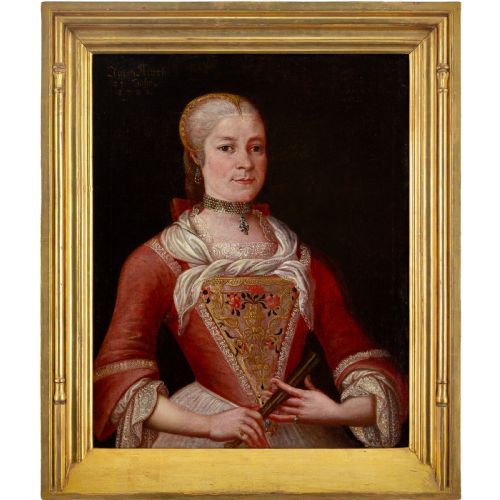
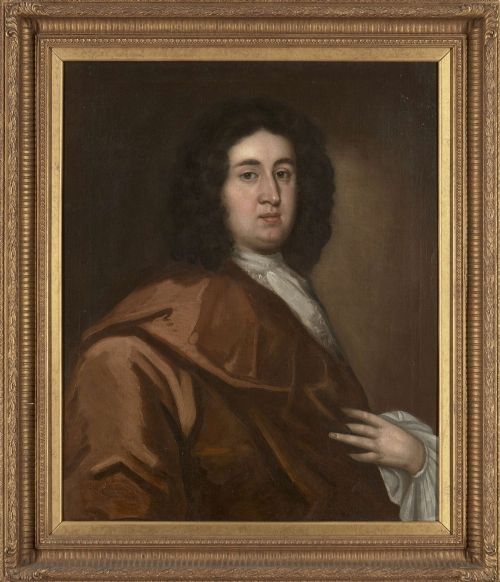
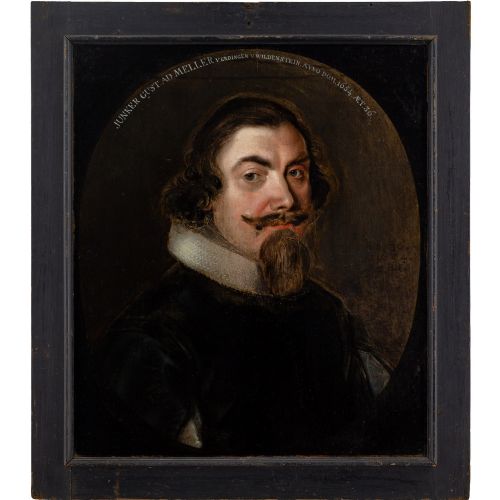
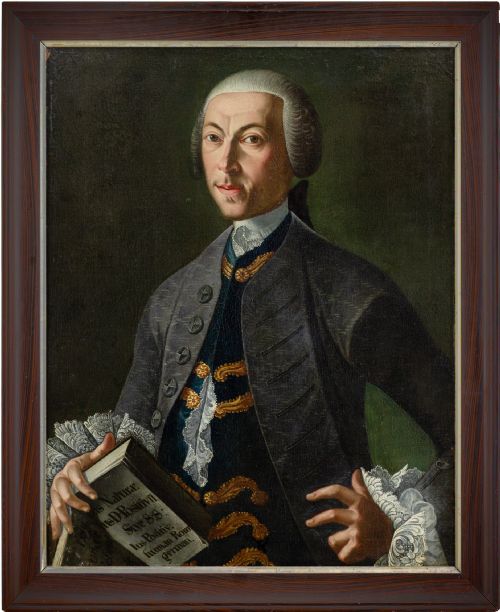
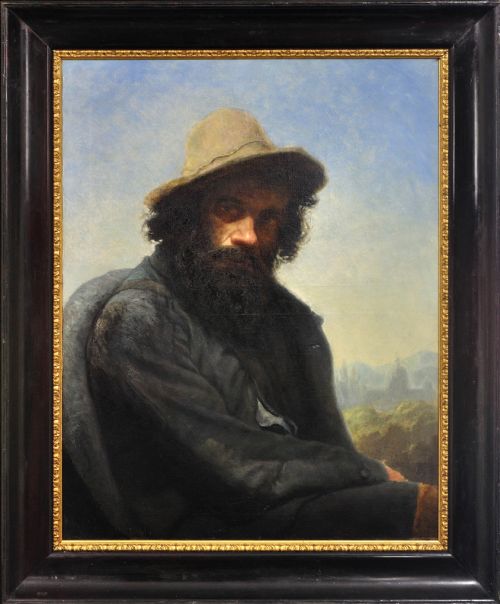
A german oil portrait captures subjects ranging from aristocrats in armour to ordinary citizens, rendered through various regional schools.
You will frequently meet works from the seventeenth, eighteenth, and nineteenth centuries, often attributed to specific German schools or known artists.
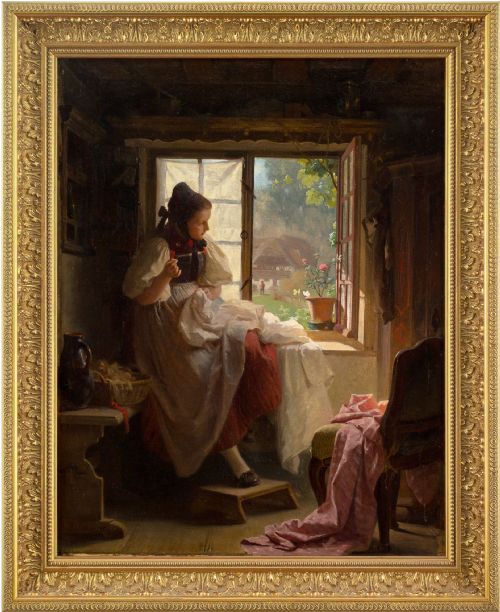
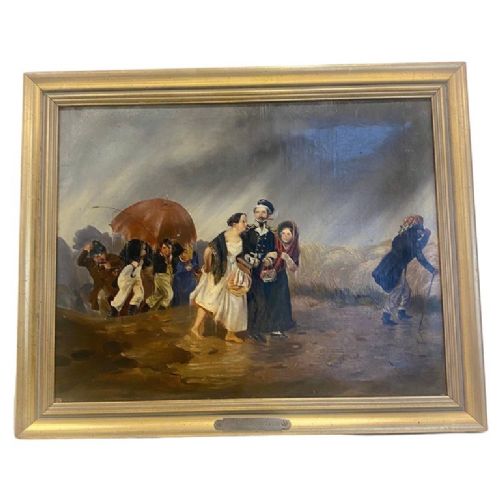
The selections span traditional likenesses, romantic depictions, and expressive studies executed on canvas or panel.
Materials and construction
Artists utilised oil paint applied to stretched canvas or wooden panels, building depth through layered glazes and pigments.
Several portraits quietly record the presence of observant pets, including a young girl accompanied by a small pet bird.
Assessing quality and execution
The distinction between works rests upon the precision of facial rendering, the handling of drapery, and the subtlety of lighting.
A higher standard of execution appears in the anatomical accuracy of the subject and the preservation of the original paint surface within its period frame.
Max Kaltenmoser·Albin Mattenheimer·Carl Adolf Mende·Heinrich Harder·Christian Lindner·Bernd Funke·Balthasar Denner·Wilhelm Alexander Meyerheim·Eugen Rosenfeld·Arthur Heinrich Wilhelm Fitger·Ferdinand Barth
The German Oil Portrait Glossary
- Oil on Canvas
- A traditional painting medium where oil-based pigments are applied to a woven fabric support stretched across a wooden frame.
- Giltwood Frame
- A wooden picture surround coated with a thin layer of gold leaf or gold paint, frequently ornate in regional styles.
- Biedermeier
- A central European style spanning the nineteenth century characterised by utilitarian comfort and honest realism.
- Baroque
- An elaborate artistic style prevalent in the seventeenth and eighteenth centuries marked by drama, rich detail, and deep shadow.
German Oil Portrait: Frequently Asked Questions
How do I identify the period of a German portrait?
Examine the clothing, hairstyle, and framing style of the subject, as these elements typically reflect the fashion of the painting's creation.
Documentation or signatures on the reverse of the canvas can also provide precise dating clues.
Where were these portraits originally displayed?
These works hung primarily in the private homes of nobility, bourgeois residences, and civic buildings across various German regions.
They served as family records, commemorations of status, or representations of civic figures.
How should I care for an antique oil painting?
Keep the artwork away from direct sunlight, high humidity, and extreme temperature fluctuations to prevent cracking in the paint layer.
Dust the surface gently with a soft, dry brush without applying pressure or cleaning solutions.
What distinguishes regional schools in German art?
Regional schools often developed distinct palettes and focal points influenced by local cultural centres such as Munich, Bavaria, or Prussia.
These local traditions shaped how artists approached portraiture, landscape integration, and realism.