





German Metalwork
German metalwork brings together distinctive continental forms and confident materials, offering a striking centrepiece for any room.
German Metalwork
German metalwork encompasses a diverse array of domestic and decorative objects produced across the nineteenth and early twentieth centuries, spanning periods from the late nineteenth century through to the Art Deco era. Buyers searching for German metalwork frequently encounter domestic tableware and display pieces, including candlesticks, vases, centrepieces, and wall plaques created in notable stylistic movements.
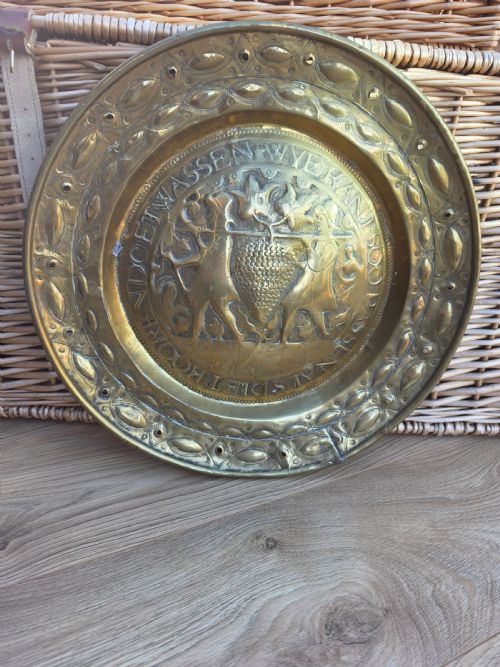
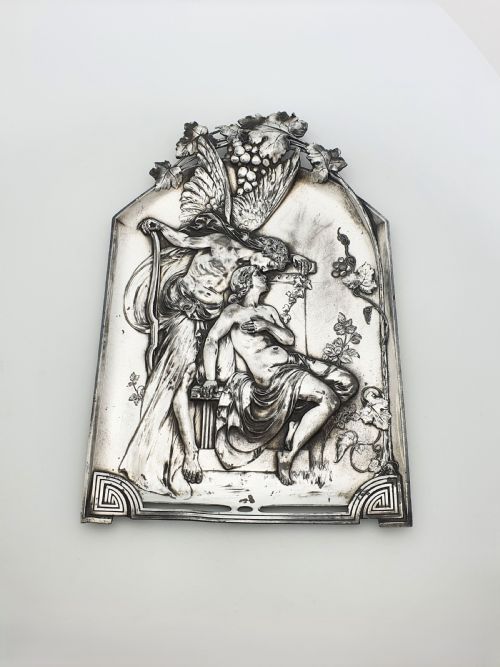
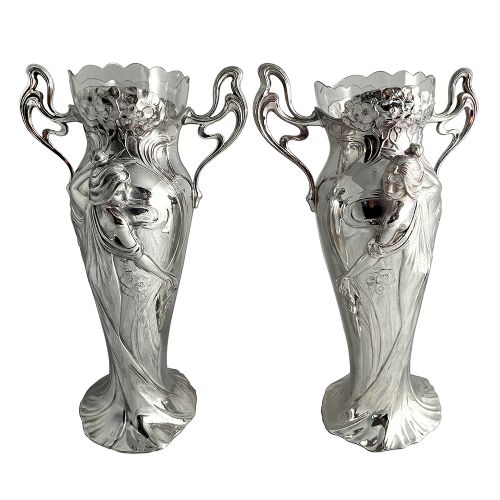
The objects available on this page lean heavily towards the sinuous curves of Art Nouveau and the geometric discipline of Secessionist design, alongside occasional Renaissance Revival motifs. Makers such as WMF dominate the forms, producing items that utilise mixed materials like glass and metal together to create functional yet decorative household goods.
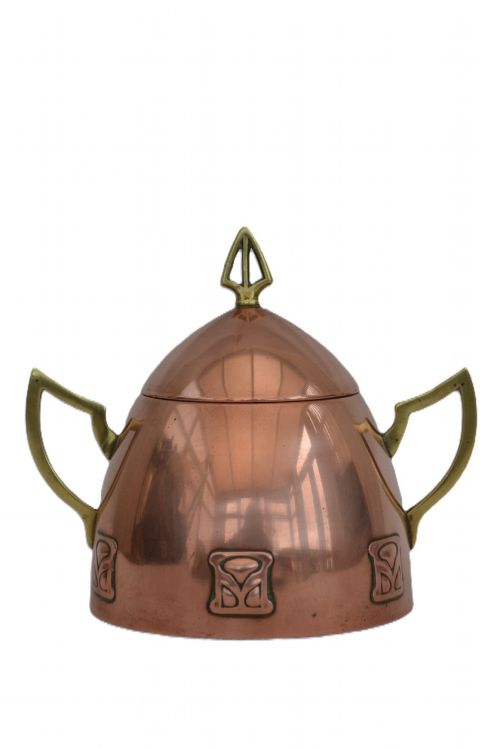
Vessels and wall pieces take various shapes, from card trays and sugar bowls to decanters and tazas, reflecting the broad utility demanded by households of the period. Whether cast in pewter or plated in silver, these pieces capture the shifting aesthetic preferences of German workshops across several decades.
Distinctions in quality and execution
The standard of execution varies significantly in the crispness of the cast details, particularly on figural pieces depicting maidens or floral motifs where sharper definition denotes finer workshop output. Plating integrity and the preservation of original patination also distinguish superior examples from heavily worn or re-plated items.
The integration of secondary materials, such as the fit between glass inserts and their metal mounts, reflects the overall care taken during production. Pieces that maintain their original gilding, silvering, or contrasting patinas demonstrate a higher grade of initial craftsmanship and better survival through time.
German Metalwork Retail Price Guide 2026
Typical asking prices for german metalwork among the pieces listed under this phrase on Sellingantiques today, from the lower quarter to the upper quarter. They describe what is for sale here now, not the wider market.
Materials appearing across the inventory include silver plate, copper, pewter, brass, and glass.
Gustav Grohe·Hugo Berger Goberg·Orivit·WMF
The German Metalwork Glossary
- Secessionist
- A style associated with late nineteenth and early twentieth-century artists who seceded from traditional academies to embrace cleaner, more geometric forms. This movement heavily influenced metal design in German-speaking regions.
- Taza
- A raised cup or shallow bowl standing on a stem and foot, commonly used for serving fruit or sweets. These decorative vessels frequently feature elaborate handles or pierced rims.
- Britannia metal
- A tin-based alloy widely utilised as a base for silver plating due to its relatively low melting point and silvery appearance. It provided workshops with an economical alternative to solid silver.
- Silvered pewter
- Pewter that has undergone a chemical or electroplating process to impart a bright silver coating. This finish protected the underlying metal while offering the lustre of solid silver.
- Cameo glass
- Glass formed with multiple layers of different colours, acid-etched or carved to create a raised design. It frequently appeared combined with metal mounts in continental tableware.
German Metalwork: Frequently Asked Questions
What materials are used in German metalwork?
German metalwork predominantly employs pewter, copper, brass, and Britannia metal as structural bases, often finished with silver plating or specialised silvered coats. Workshops frequently combined these metals with cut or cameo glass to create contrasting textures in vessels and display pieces.
These material choices allowed manufacturers to produce durable domestic items that balanced ornate decorative appeal with practical utility for the dining table or drawing room.
How do I identify Art Nouveau German metalwork?
Art Nouveau examples are characterised by organic, flowing lines, whipstitch curves, and stylised floral motifs. Figural elements, particularly depictions of maidens or natural forms, appear frequently on trays, plaques, and candlesticks from this period.
Makers often integrated these sinuous designs directly into the cast metal structure or the surrounding glass mounts, distinguishing them from the later, more rectilinear Secessionist and Art Deco styles.
Were these pieces meant for daily use?
Many items, such as sugar bowls, decanters, tazas, and centrepieces, served functional roles in middle and upper-class households for dining and entertaining. Other objects, including wall plaques and decorative dishes, were intended purely for interior display.
The durability of plated pewter and base metals made them practical for regular service, though delicate glass inserts required careful handling during use.
How do I distinguish Secessionist pieces from Art Nouveau?
Secessionist metalwork leans towards geometric austerity, straight lines, and structured symmetry, moving away from the asymmetric, plant-based curves typical of Art Nouveau. Candlesticks and vessels from the Secessionist movement prioritise architectural form over elaborate surface ornament.
Examining the overall silhouette of the object usually reveals whether the design draws inspiration from organic naturalism or controlled geometric planning.