





German Mechanical Clock
A german mechanical clock brings precise timekeeping and intricate movement together, offering traditional craftsmanship for any interior.
German Mechanical Clock
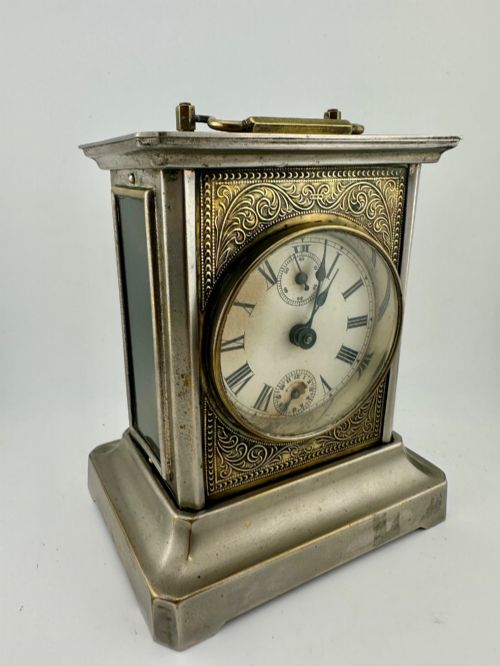
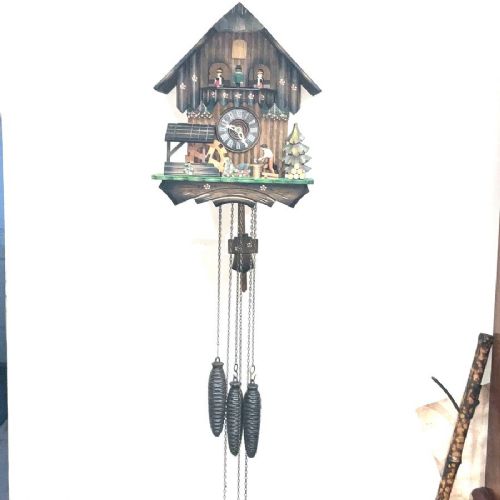
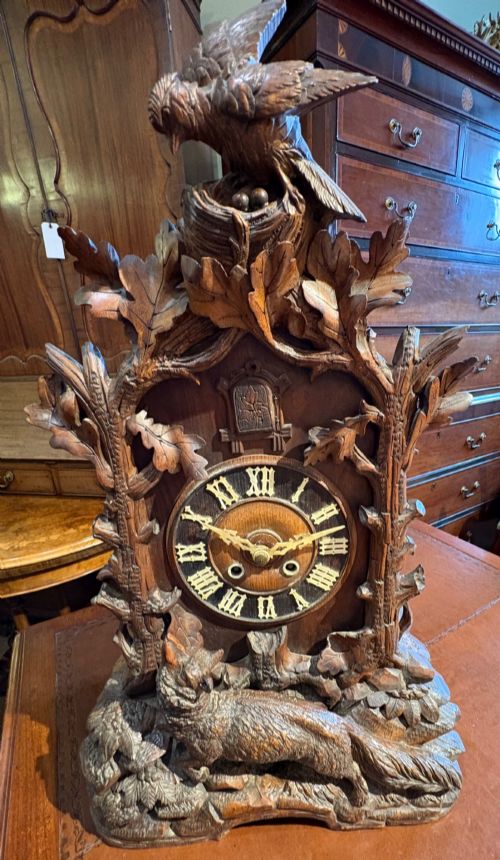
A german mechanical clock encompasses a diverse range of forms, from elaborate wall-hung Vienna regulators to carved wooden cuckoo clocks. Buyers investigating this category frequently encounter pieces housed in rich walnut, oak, and other timbers, reflecting centuries of horological output.
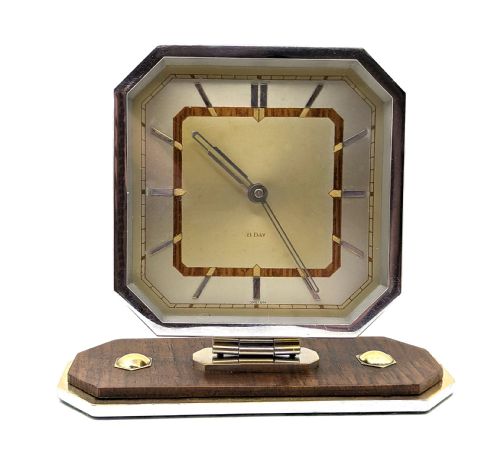
The selection ranges widely across stylistic eras, incorporating Victorian grandeur, Black Forest carving traditions, and later Art Deco and mid-century designs. Mantel clocks, desk clocks, and substantial longcase clocks all feature prominently within this tradition.
Many examples utilise specialised movements, such as torsion mechanisms in anniversary clocks or musical automata within traditional chalet cases. These functional objects showcase both mechanical ingenuity and regional cabinet-making skills.
Materials and Construction
Construction relies heavily on traditional hardwoods like walnut and oak, often carved intricately in the Black Forest style or shaped into smooth geometric forms for Art Deco desk and mantel pieces. Metal components, including brass movements and chrome or nickel-plated accents, form the operational heart of each mechanism.
Movements are engineered from durable metals, utilising brass plates and finely cut gears designed to drive striking trains, chimes, or rotating pendulums. Glass domes and glazed doors frequently protect delicate dials and exposed mechanisms from dust while allowing full visibility of the inner workings.
German Mechanical Clock Retail Price Guide 2026
Typical asking prices for german mechanical clock among the pieces listed under this phrase on Sellingantiques today, from the lower quarter to the upper quarter. They describe what is for sale here now, not the wider market.
Listings feature movements by recognised German makers alongside diverse styles spanning Victorian walnut cases, Black Forest carvings, and Art Deco chrome designs.
Evaluating Quality in German Clocks
Distinctions in quality often rest on the complexity of the movement and the reputation of the maker, such as Winterhalder and Hofmeier, Lenzkirch, or Gustav Becker. Higher-tier examples typically incorporate multiple trains for chiming and striking, or sophisticated complications like grande sonnerie mechanisms.
Cabinetwork also dictates overall merit, distinguishing mass-produced casings from hand-carved Black Forest walnut or meticulously veneered burr walnut cases. The integration of high-grade materials with clean mechanical execution separates standard workshop production from exceptional horological output.
Winterhalder And Hofmeier·Gustav Becker·Philipp Haas·Lenzkirch·Junghans·Kienzle·Mauthe
The German Mechanical Clock Glossary
- Vienna Regulator
- A precision pendulum wall clock developed in Austria and widely adopted by German makers. These clocks are known for their accurate weight-driven movements and elongated wooden cases with glass side panels.
- Torsion Clock
- A timekeeper regulated by a torsion pendulum that rotates continuously rather than swinging back and forth. Also known as a year clock, it requires infrequent winding.
- Automaton
- A moving mechanical figure integrated into a clock, such as a carved bird emerging from a cuckoo clock case. These mechanical additions animate the dial or housing during striking sequences.
- Ting Tang
- A striking mechanism that sounds two different notes on the quarters before chiming the hour. This acoustic arrangement is typical of certain Victorian and Edwardian mantel designs.
- Westminster Bracket
- A clock movement capable of playing the traditional four-quarter Westminster chime melody. These complex assemblies are usually housed in substantial wooden bracket or mantel enclosures.
German Mechanical Clock: Frequently Asked Questions
How do I wind a mechanical clock?
Winding typically involves inserting a key into the dial arbors and turning gently until resistance is felt, taking care not to overwind the mainspring or pull too heavily on suspension weights.
Different movements require specific winding intervals, ranging from daily or eight-day cycles to annual operations for torsion clocks.
What is a three train movement?
A three train movement powers three separate functions within the clock: timekeeping, striking the hours, and playing musical chimes or melodies on gongs.
This complex arrangement is commonly found in substantial bracket clocks and longcase models produced by prominent German workshops.
Where should I place my clock?
Mechanical clocks require a stable, vibration-free surface or a secure wall anchor to ensure the pendulum swings evenly and the escapement maintains a regular beat.
Placing the clock away from direct sunlight, damp areas, and extreme temperature fluctuations helps preserve both the wooden cabinetry and the brass internal components.
How do I identify the maker?
Makers' marks, initials, or stamped logos are typically engraved on the backplate of the movement or printed clearly on the clock dial.
Reviewing these stamps alongside the stylistic period of the wooden case helps attribute the piece to a specific German workshop or factory.