

Georgian Writing Furniture
Georgian writing furniture brings together mahogany, walnut, and oak in desks, bureaux, and lowboys designed for correspondence and management.
Georgian Writing Furniture
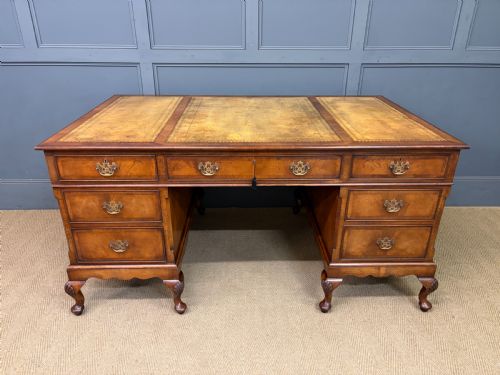
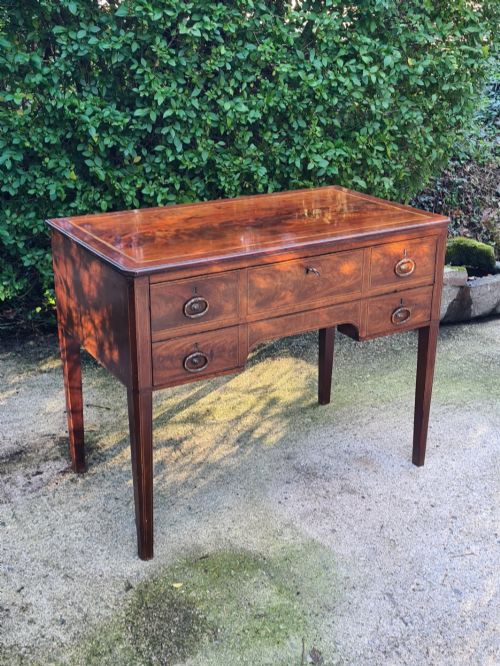
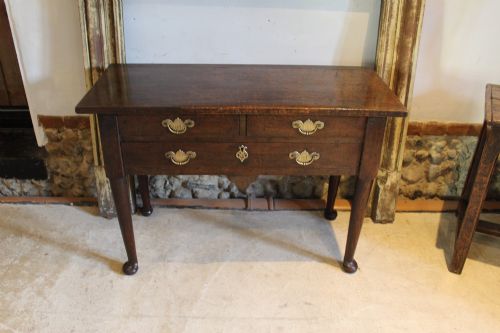
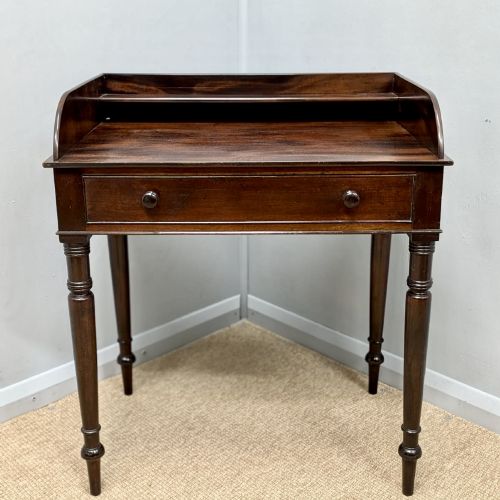
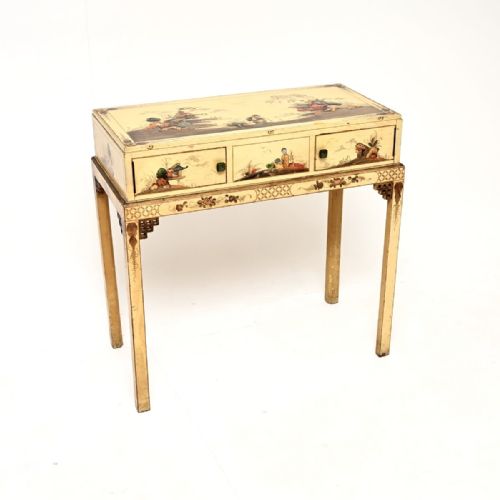
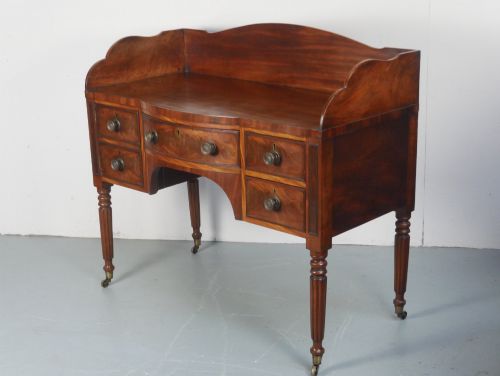
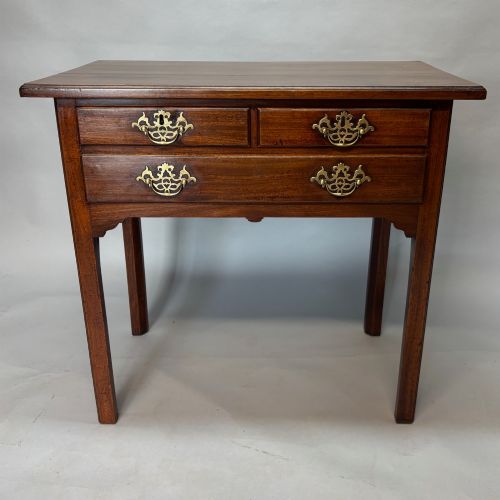
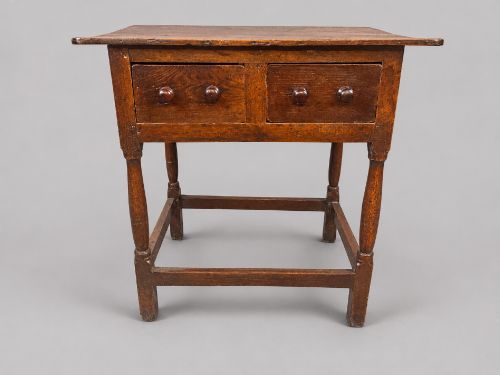
Georgian writing furniture encompasses a varied selection of desks, bureaux, secretaire bookcases, and lowboys intended for study and household administration. Pieces range from compact oak and walnut lowboys to large mahogany partners desks and tall secretaire bookcases.
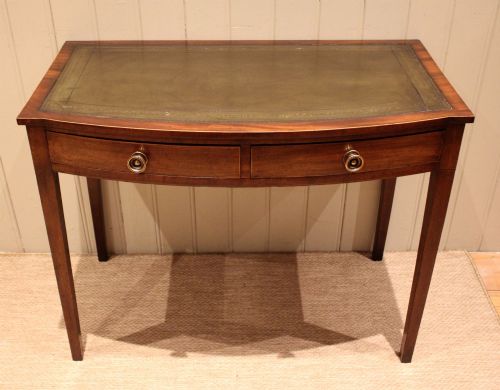
Mahogany and oak dominate the surviving material record, alongside walnut, yew wood, and satinwood. Makers utilised brass hardware and leather inserts to finish writing surfaces on tables and desks.
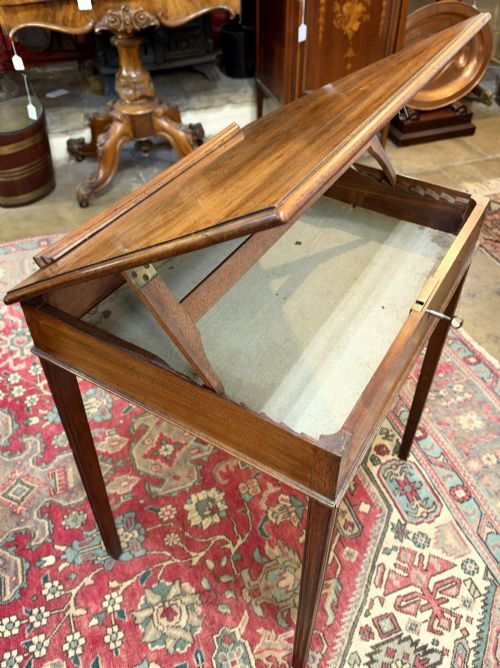
The objects stem predominantly from the eighteenth century and the Regency period, displaying styles associated with the reigns of Queen Anne, George II, and George III. Buyers encounter side tables, corner armchairs, and folding dressing tables equipped with writing drawers.
Materials and construction methods
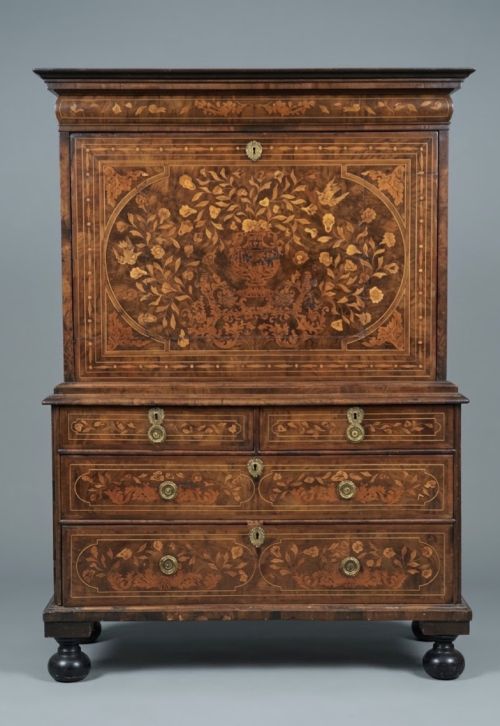
Cabinet makers built these pieces using solid timbers such as mahogany, oak, and walnut, frequently applying figured veneers like burr walnut or exotic woods including gonçalo Alves. Carved details, such as paw feet or baluster supports, appear on specific tables and chairs from the eighteenth century.
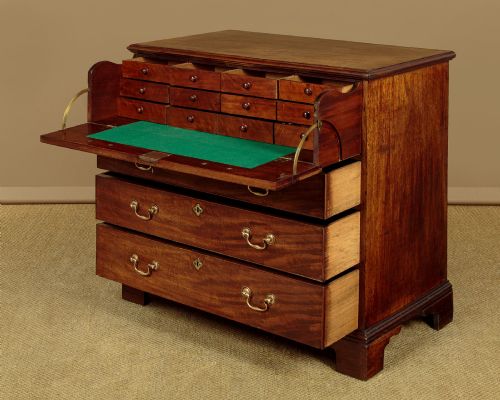
Interiors feature fitted compartments, pigeonholes, and fall-front writing sections constructed with traditional joinery. Brass handles, escutcheons, and hinges secure drawers and drop-front desks against daily wear.
Georgian Writing Furniture Retail Price Guide 2026
Typical asking prices for georgian writing furniture among the pieces listed under this phrase on Sellingantiques today, from the lower quarter to the upper quarter. They describe what is for sale here now, not the wider market.
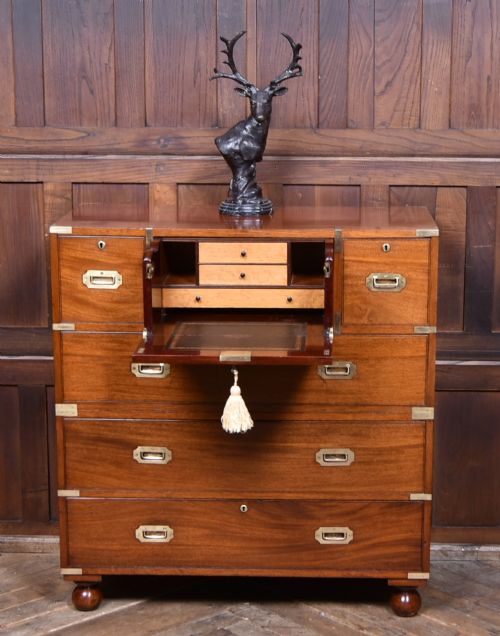
Ship captains required folding campaign tables in teak to maintain proper correspondence while rolling across the ocean waves.
Distinctions in craftsmanship and survival
Quality rests upon the selection of timber figures, the precision of internal drawer construction, and the integrity of the surface finish. Pieces retaining dry natural surfaces and original brass fittings stand apart from altered examples.
Structural refinement shows in the execution of carved feet, balanced proportions, and the complexity of fitted writing interiors. Master cabinet makers achieved clean lines and durable joints that endure across centuries of use.
James Mein of Kelso
The Georgian Writing Furniture Glossary
- Bureau
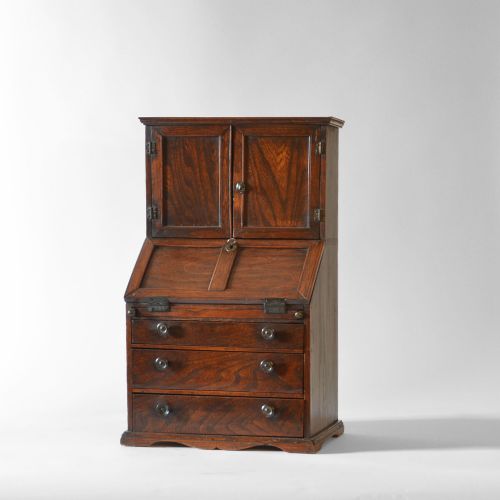
- A desk featuring a slanted fall-front that opens to reveal a fitted interior of small drawers and pigeonholes. These items often stand on bracket feet or frame stands.
- Lowboy
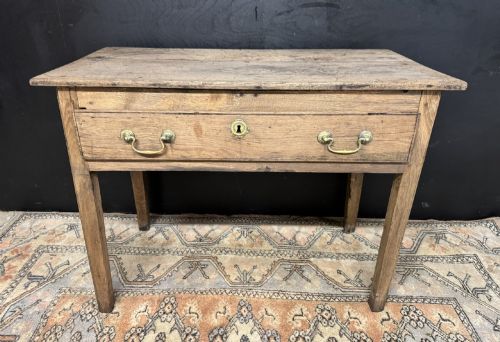
- A small side table with drawers, typically used as a dressing table or writing surface during the seventeenth and eighteenth centuries. They rest on four legs, often ending in pad or square feet.
- Partners desk
- A large freestanding desk designed for two people to work opposite one another, equipped with drawers on both sides. These examples frequently utilise solid mahogany.
- Secretaire bookcase
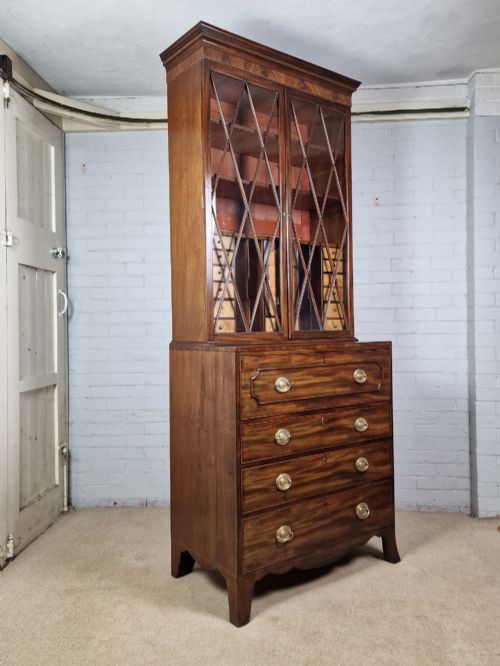
- A tall cabinet combining a bookcase with a pull-down writing drawer or desk compartment concealed behind doors. Upper sections usually feature glazed panels for book display.
- Gonçalo Alves
- A dense tropical hardwood utilised in Regency library tables for its distinct figuring. This material provides durability and a rich visual texture.
Georgian Writing Furniture: Frequently Asked Questions
What is a bureau bookcase?
A bureau bookcase combines a shelved upper cabinet with a lower desk section featuring a hinged writing flap. The interior contains pigeonholes and small drawers for stationery.
These taller items served as primary storage and writing units in Georgian homes, often positioned in studies or libraries.
How do I identify an 18th century lowboy?
An eighteenth-century lowboy appears as a low table with one or more rows of drawers beneath the work surface. They commonly utilise oak, walnut, or mahogany supported by cabriole or straight legs.
Their compact dimensions allowed placement in bedrooms or dressing rooms for personal grooming and writing.
What woods are typical for these desks?
Mahogany, oak, and walnut represent the primary timbers chosen by cabinet makers during the Georgian and Regency periods. Secondary woods like satinwood and yew appear in specific decorative pieces.
Surface treatments preserve the natural grain while incorporating leather writing inserts and brass hardware.