
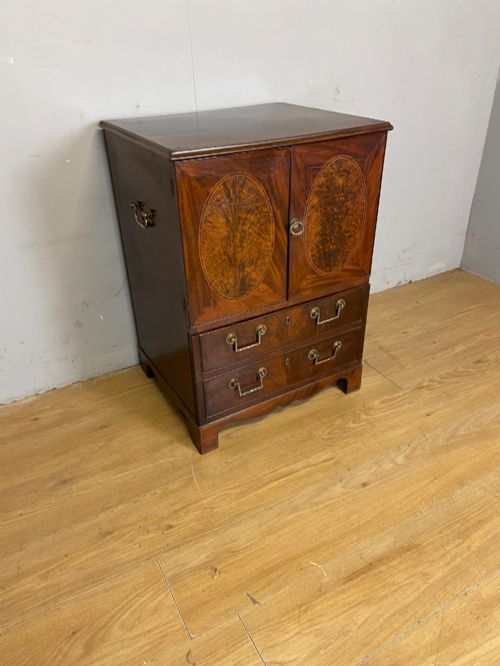


Georgian Wooden Side Chest
A georgian wooden side chest brings handsome timber and useful proportions to any room, offering timeless storage built for everyday service.
Georgian Wooden Side Chest
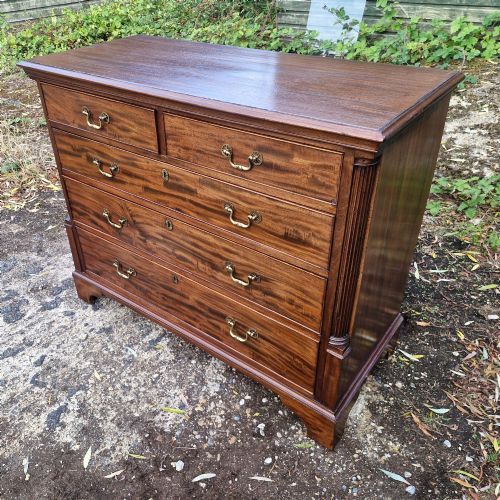
A georgian wooden side chest encompasses practical case furniture built across the eighteenth and nineteenth centuries, including chests of drawers, side cabinets, lowboys, and bedside tables. These versatile pieces emerged to serve various domestic needs in bedrooms, parlours, and hallways, providing concealed storage within compact footprints.
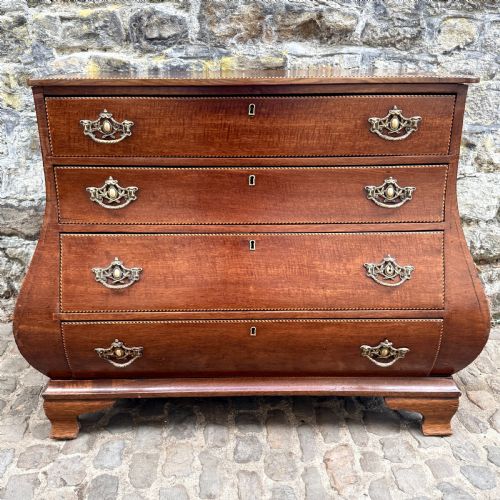
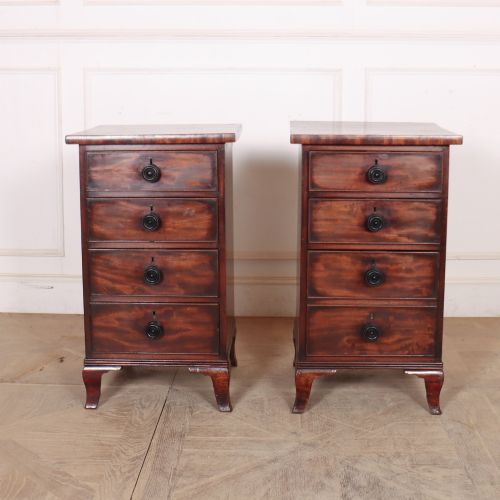
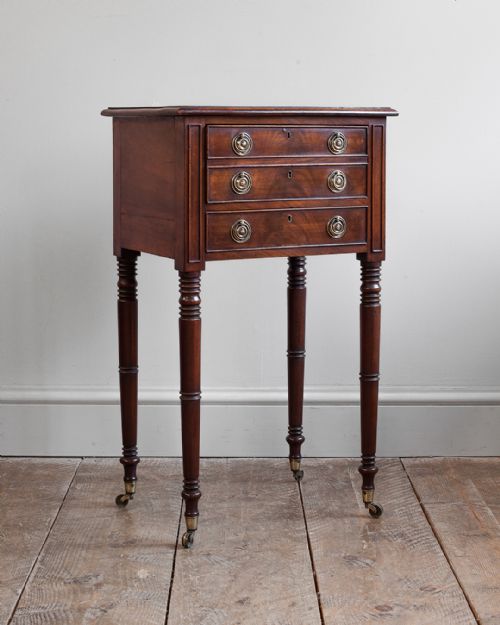
The selections on this page lean heavily towards mahogany, walnut, and oak, often displaying the refined cabinetwork of the Georgian and Regency periods. Pieces range from small bedside cabinets to bow-fronted work tables and low drawers, showing the adaptability of timber furniture across different eras.
Materials and Construction
Cabinetmakers relied on sturdy native and imported timbers such as mahogany, oak, walnut, yew wood, and fruitwood to construct these chests and cabinets. Grain selection mattered deeply, with figured flame mahogany and satinwood veneers utilised to create striking visual patterns on drawer fronts and top panels.
Joinery techniques involved precise dovetailing for drawers and mortise-and-tenon frames for structural stability, ensuring durability over centuries of use. Secondary embellishments such as brass handles, escutcheons, and subtle string inlay or painted finishes completed the construction.
Some sailors apparently enjoyed remarkably luxurious voyages, judging by sturdy camphorwood chests designed specifically to survive sloped ship cabins.
Assessing Craftsmanship
Quality rests in the crispness of the timber selection and the integrity of the structural joinery, where tightly fitted drawer dovetails distinguish superior cabinetmaking. Finer examples display thoughtful proportions, balanced grain matching, and original brass hardware that complements the timber tone.
The depth of patination accumulated on the wood surface over generations also indicates a higher standard of original finish. Minor discrepancies in secondary woods or later hardware adjustments separate workshop-standard items from exceptional bespoke commissions.
Muirhead Moffat & Co
The Georgian Wooden Side Chest Glossary
- Lowboy
- A small side table with drawers, typically raised on four tall legs and built during the seventeenth and eighteenth centuries. These pieces often served as dressing tables or small side desks in formal rooms.
- Bow front
- A convex curved front on a chest of drawers or cabinet that swells outward towards the centre. This decorative and space-saving form became particularly popular during the Regency and late Georgian eras.
- Inlay
- A decorative technique where contrasting woods, brass, or shell are set into recesses flush with the surface of the primary timber. Sheraton designs frequently employed this method to create geometric borders and delicate motifs.
- Campaign chest
- A portable wooden chest made in sections with recessed brass handles and corner brackets, designed for military officers on the move. They utilise durable timbers like camphorwood to withstand travel.
- Pedestal
- A structural support column or base beneath a table or cabinet body, often seen on Regency and William IV work tables. It provides solid footing while allowing ample legroom.
Georgian Wooden Side Chest: Frequently Asked Questions
How do I date a wooden side chest?
Examine the construction methods of the drawers, paying attention to hand-cut dovetails and timber choices like oak or mahogany. Secondary woods and hardware styles also help narrow down whether a piece originates from the Georgian, Regency, or later periods.
Changes in styling, such as the shift from straight lines to bow fronts or the introduction of specific inlay patterns, provide further clues to the decade of manufacture.
What is the difference between a lowboy and a side chest?
A lowboy is essentially a small table featuring one or more rows of drawers raised on relatively tall legs, often used for writing or grooming. A side chest sits closer to the floor with deeper drawer tiers designed strictly for storage.
Both serve similar placement roles in a hallway or bedroom, but their internal capacities and leg-to-body ratios differ significantly.
Can I use a bedside table as a side chest?
Bedside tables and small side cabinets function wonderfully as compact storage units in modern homes, easily fitting into tight alcoves or narrow hallways. Their historical role as bedside companions translates seamlessly into holding lamps, books, or small accessories today.
Their enclosed cupboard space or shallow drawers keep clutter out of sight while adding historical character to a room.
How do I care for antique mahogany and walnut?
Protect antique timber surfaces by keeping them away from direct sunlight and radiators, which can dry out the wood and crack veneers. Regular dusting with a soft, dry cloth maintains the finish without needing heavy chemical polishes.
Applying a traditional beeswax occasionally helps nourish the grain and preserves the rich patination built up over centuries.