

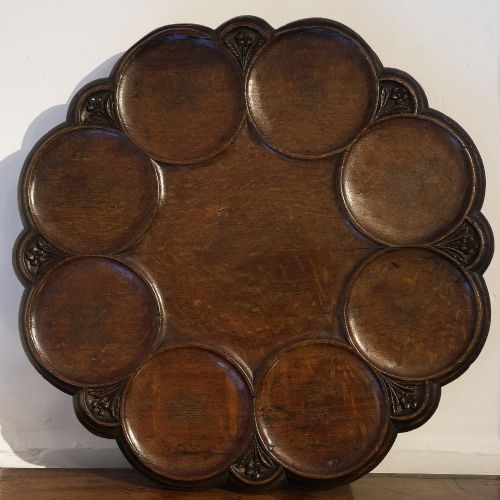


Georgian Wooden Platter
A georgian wooden platter brings tactile warmth to a table, offering solid mahogany and sycamore surfaces shaped for service and display.
Georgian Wooden Platter
When you search for a georgian wooden platter, you encounter utilitarian and decorative serving pieces spanning the eighteenth and nineteenth centuries. These items include oval and circular forms, often shaped from dense timbers intended for domestic service and hospitality.
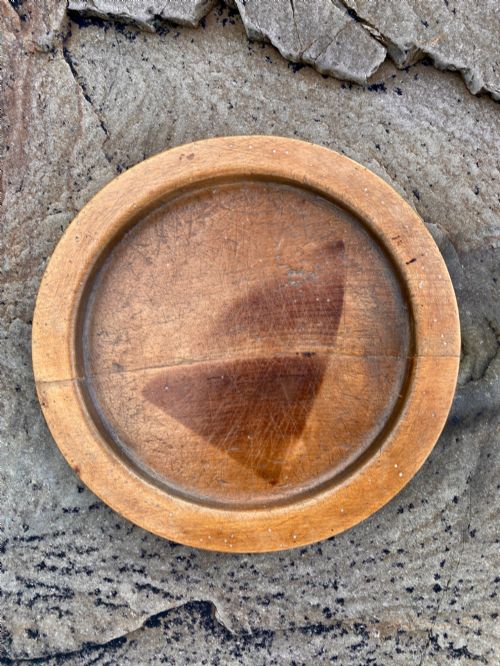
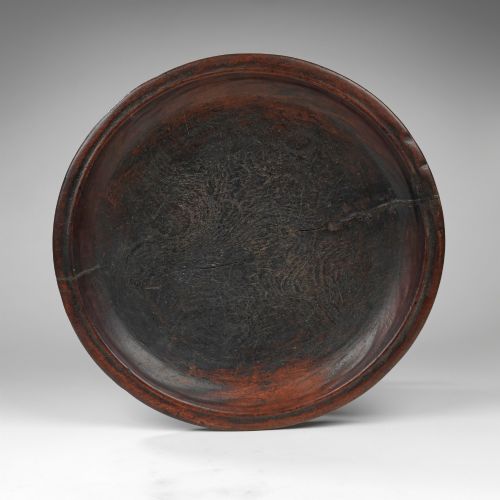
The versions most frequently met on this page are mahogany and sycamore trays or bowls dating from the Georgian era through to the Edwardian period. Many examples display simple turned construction, while others incorporate brass handles or inlaid details.
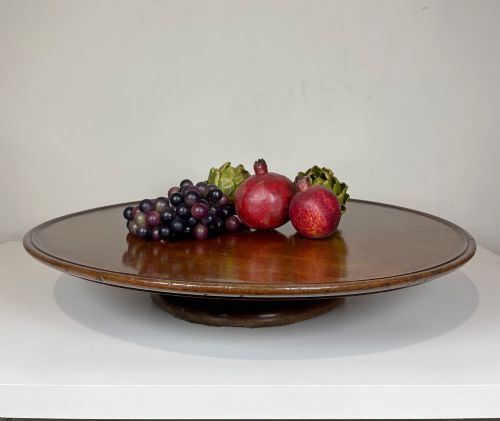
The selection ranges from deep trenchers and bowls to galleried tea trays and lazy susans. Each object reflects the practical needs of English country houses and town residences of the period.
How they were made
Craftsmen utilised native and imported timbers, selecting mahogany for its strength and sycamore or boxwood for lighter contrast. Woodturners shaped circular platters on a lathe, whilst joiners constructed oval trays with raised galleries.
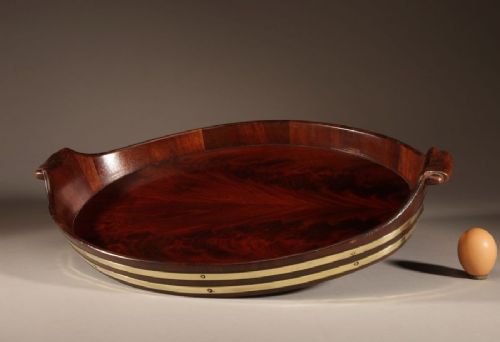
Coopered construction appears in oval trays, requiring tight stave work bound with metal or brass fittings. Inlaid decoration utilised contrasting woods like satinwood to create geometric borders on wine trays.
Georgian Wooden Platter Retail Price Guide 2026
Typical asking prices for georgian wooden platter among the pieces listed under this phrase on Sellingantiques today, from the lower quarter to the upper quarter. They describe what is for sale here now, not the wider market.
Listings feature mahogany, sycamore, oak, and boxwood across the Georgian and Edwardian periods.
What varies in quality
Quality rests in the selection of the timber grain and the precision of the turning or coopering. Finer examples show careful matching of mahogany figures and crisply cut galleries rather than crude, heavy-handed shaping.
Age and original domestic wear distinguish superior survivals, where authentic patination develops naturally over centuries of handling. Alterations or later replacements of brass mounts detract from the integrity of the piece.
The Georgian Wooden Platter Glossary
- Coopered
- Constructed from curved wooden staves joined tightly together, much like a barrel. This technique was used to form sturdy oval trays with high sides.
- Galleried
- Featuring a raised wooden rim or rail around the edge of the tray. This design prevented items from sliding off during service.
- Trencher
- A traditional wooden plate or platter used for cutting and serving food. Early versions often present a deep circular dish form.
- Lazy Susan
- A revolving tray placed on a table to assist in passing food. The mechanism allows diners to access dishes easily without reaching.
Georgian Wooden Platter: Frequently Asked Questions
What were wooden platters used for?
These pieces served practical roles in the dining room and parlour, carrying food, wine bottles, or afternoon tea. Deep bowls and trenchers held provisions during meals before ceramic tableware became universal.
Over time, many transitioned into decorative items or wine trays, prized for their stable surfaces and rich timber patination.
How can I tell the period?
Examine the timber species, construction marks, and the tool methods visible on the underside. Eighteenth-century pieces often show hand-turned ridges and older fastening techniques.
Later revival pieces or Edwardian copies tend to use standardised machine methods and different internal framing. Patina and wear patterns also offer clues to the true age of the object.
Are these trays safe for food?
Most antique platters finished with historic wax or oil are better suited to dry foods or presentation rather than wet dishes. Modern cleaning methods can strip the aged finish accumulated over centuries.
Many collectors prefer to use them for display or dry service to preserve the original surface integrity.