




Georgian Wood Caddy
A georgian wood caddy brings the rich texture of eighteenth and nineteenth century domestic life directly to a modern room.
Georgian Wood Caddy
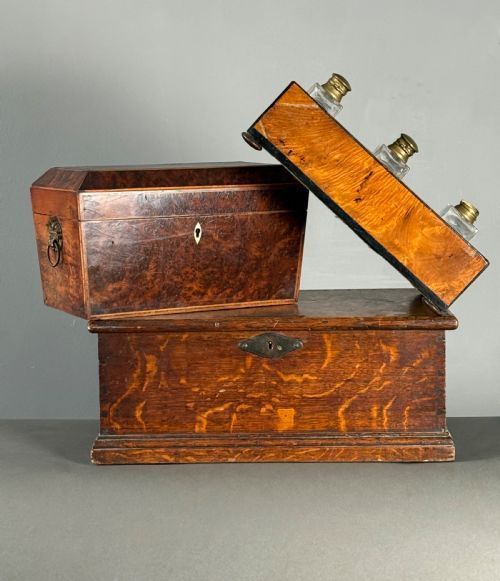
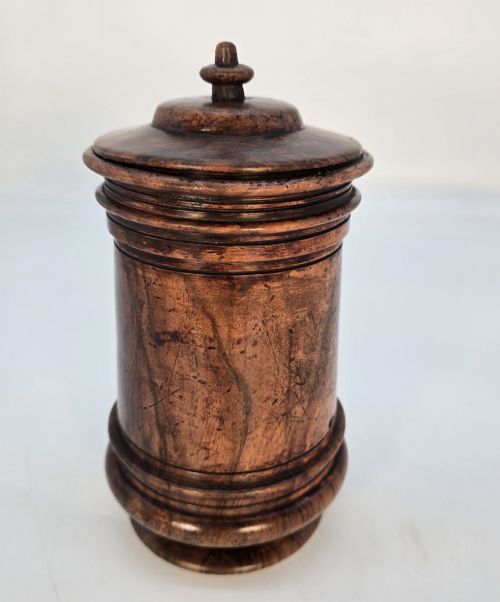
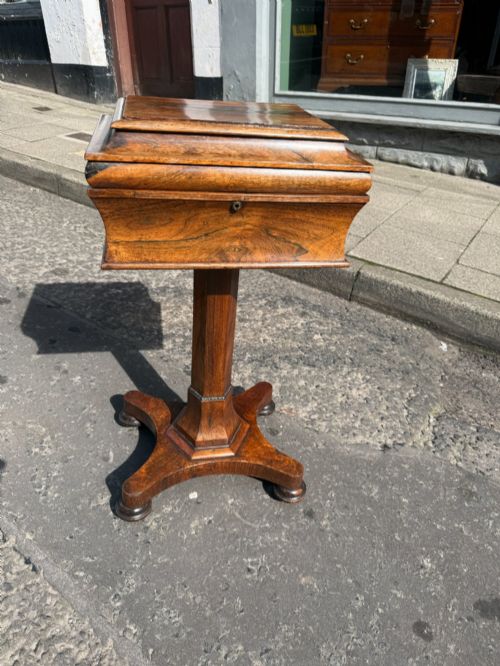
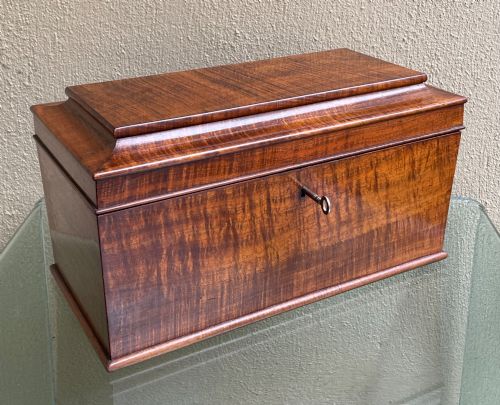
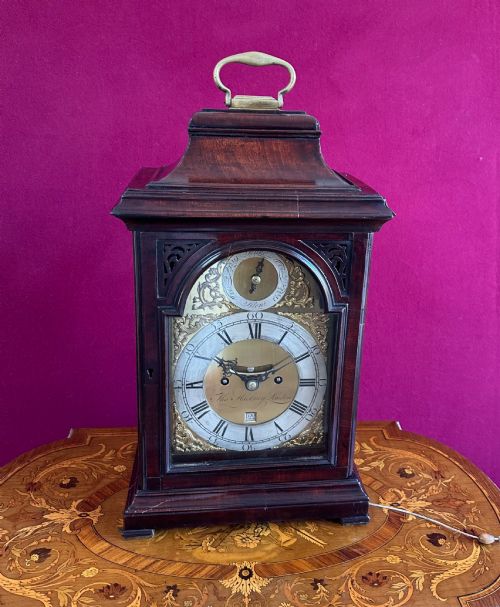
A georgian wood caddy is primarily a tea container designed to secure precious leaves under lock and key during eras when tea was a luxury commodity. The pieces on this page span tea caddies, larger teapoys, and cellarettes alongside related decorative boxes.
Materials and construction
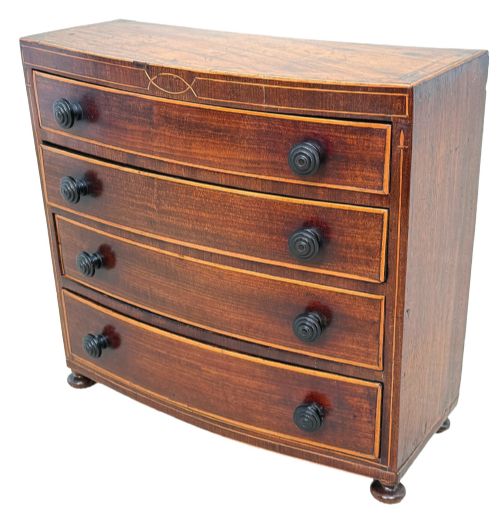
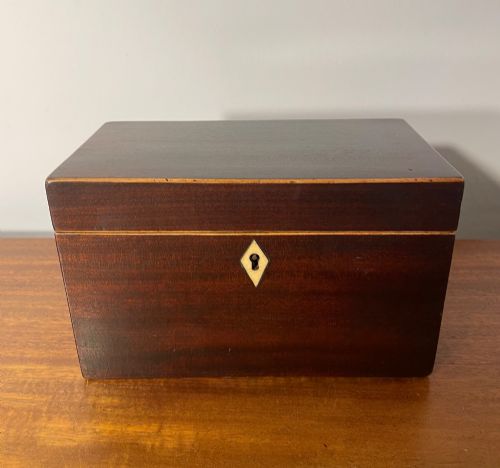
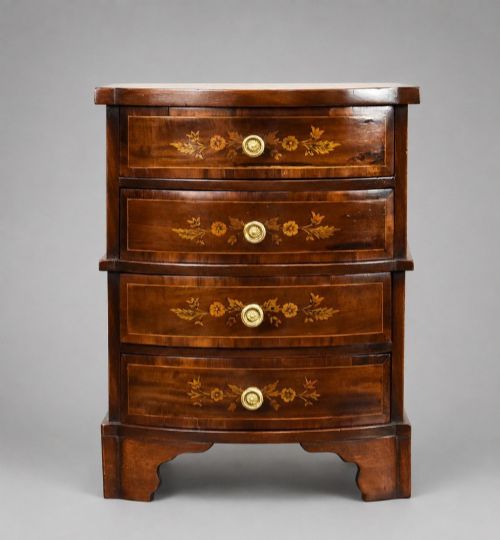
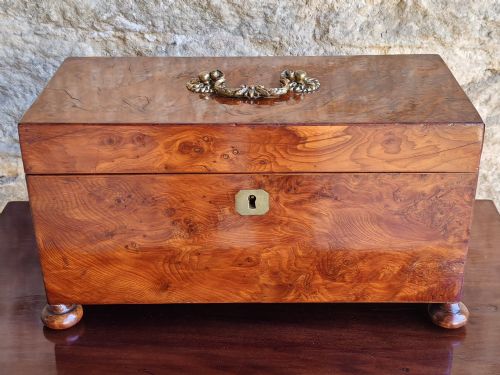
Cabinetmakers utilised dense timbers like mahogany, rosewood, and walnut as structural foundations, often veneering them with burr yew, satinwood, or harewood to create striking grain patterns. Fine stringing in boxwood and elaborate brass inlay enrich the exterior surfaces.
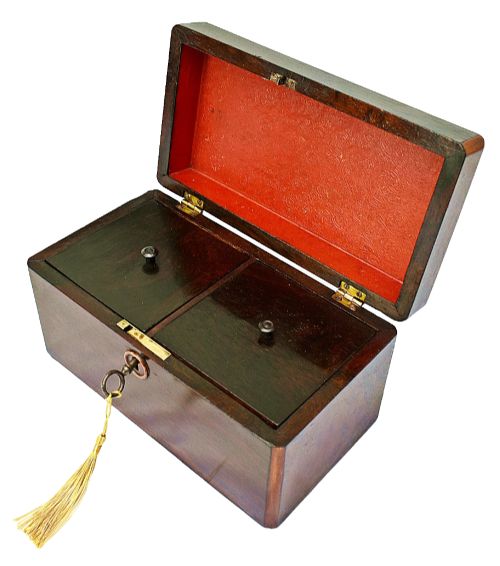
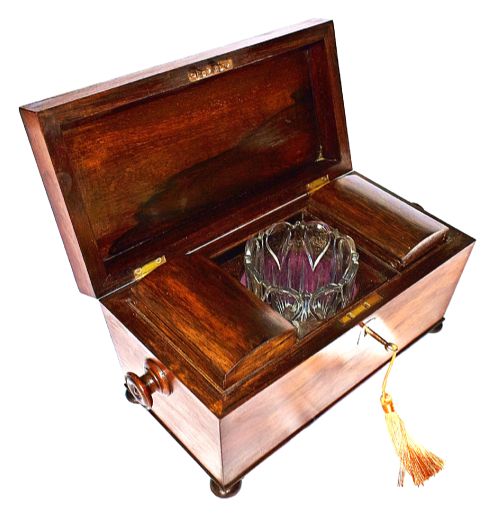
Interiors frequently feature fitted compartments for tea storage, sometimes retaining glass mixing bowls or bone details. Construction relies on traditional joinery methods suited to enclosing precious contents securely.
Georgian Wood Caddy Retail Price Guide 2026
Typical asking prices for georgian wood caddy among the pieces listed under this phrase on Sellingantiques today, from the lower quarter to the upper quarter. They describe what is for sale here now, not the wider market.
Many caddies include tiny internal compartments with fitted lids designed to keep black and green teas safely separated from prying fingers.
Evaluating craftsmanship
The distinction between standard examples and the finest pieces rests upon the choice of timber and the precision of the decorative inlay. Subtle details such as figured burr veneers, intricate brass work, and original lion mask handles elevate specific items.
Proportion and architectural form define the best items, whether a sarcophagus box from the Regency period or an oval satinwood piece from the eighteenth century. Retaining original hardware and internal divisions further separates exceptional pieces from simpler utility boxes.
Gillows·Mappin And Webb
The Georgian Wood Caddy Glossary
- Teapoy
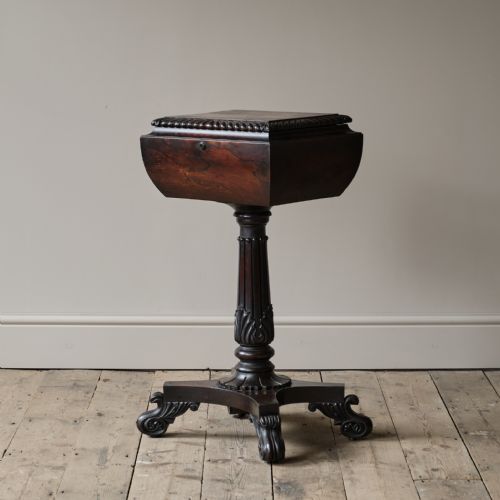
- A pedestal table or large box designed to hold tea canisters, often fitted with internal compartments and mixing bowls. These pieces served a central role in the formal drawing room.
- Cellarette
- A large freestanding or stand-mounted container utilised for storing bottles of wine or spirits. They appear frequently in walnut and mahogany during the Regency period.
- Sarcophagus form
- A distinct architectural box shape featuring a sloping lid reminiscent of ancient stone tombs. This style gained immense popularity during the Regency era for tea caddies.
- Partridge wood
- A dense exotic timber displaying mottled patterns resembling the plumage of a bird. Cabinetmakers prized this material for decorative eighteenth century caddies.
- Stringing
- A narrow inlay of contrasting wood used to outline panels and geometric borders on cabinet furniture. Boxwood is frequently utilised for this delicate linear detail.
Georgian Wood Caddy: Frequently Asked Questions
What were tea caddies used for?
These boxes stored precious tea leaves securely under lock and key when tea was an expensive commodity.
Servants or hosts measured out portions for each gathering, keeping the valuable contents safe from domestic theft.
How do I date a wooden caddy?
Dating relies on identifying the prevailing timber choices, hardware styles, and overall box silhouettes associated with specific periods.
Regency pieces often display sarcophagus shapes and brass inlay, while eighteenth century examples favour straightforward mahogany or inlaid satinwood.
Where should I place a caddy at home?
These boxes function well on side tables, desks, or open shelves where their timber grains remain visible.
They also provide practical storage for modern trinkets and small personal items while adding historical character to a room.
What is the difference between a caddy and a teapoy?
A tea caddy is a portable box designed to sit on a table, whereas a teapoy is typically a larger standalone container or a box mounted upon a central pillar.
Both fulfilled the same domestic purpose of storing and dispensing dry tea leaves.