


Georgian Wood Bureau
A georgian wood bureau brings solid timber and fitted drawers together for writing, storing papers, and organising daily life.
Georgian Wood Bureau
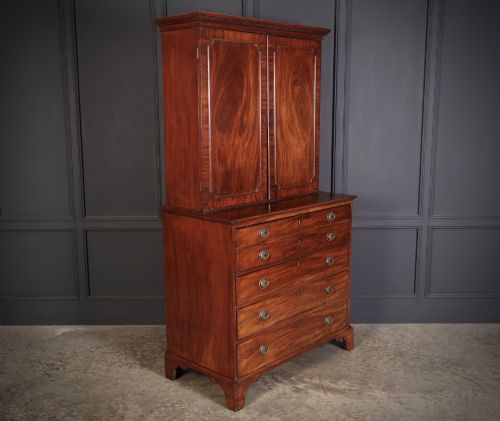
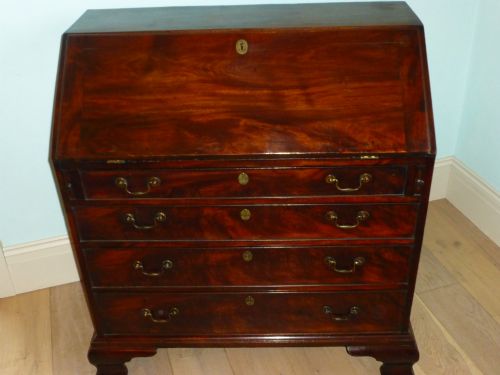
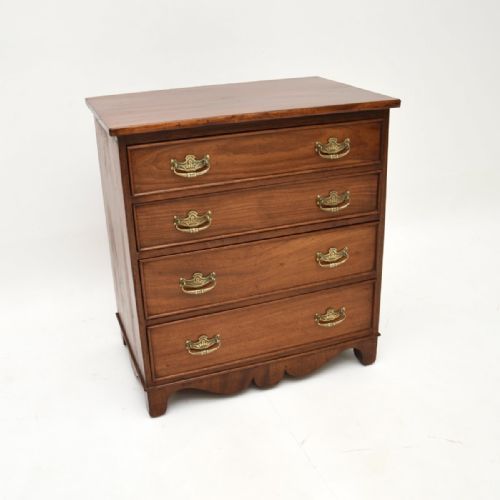
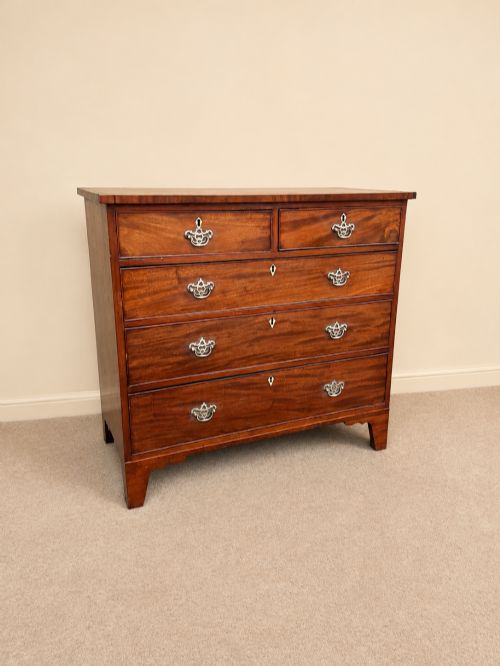
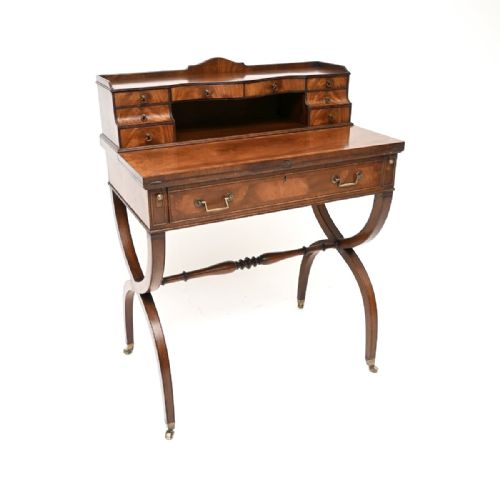
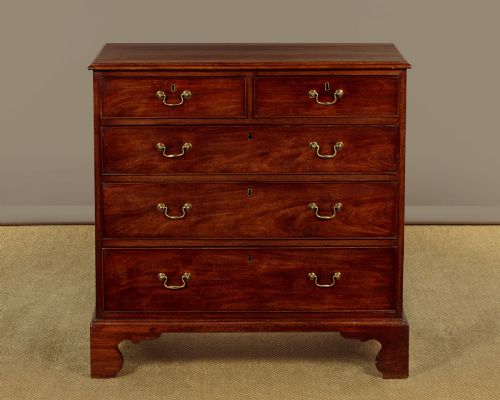
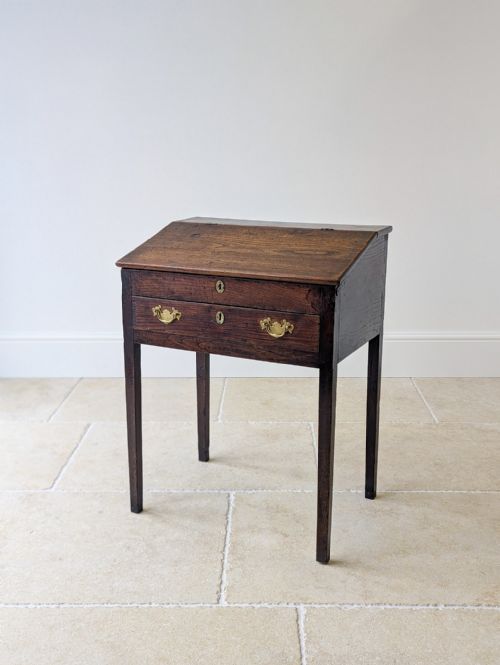
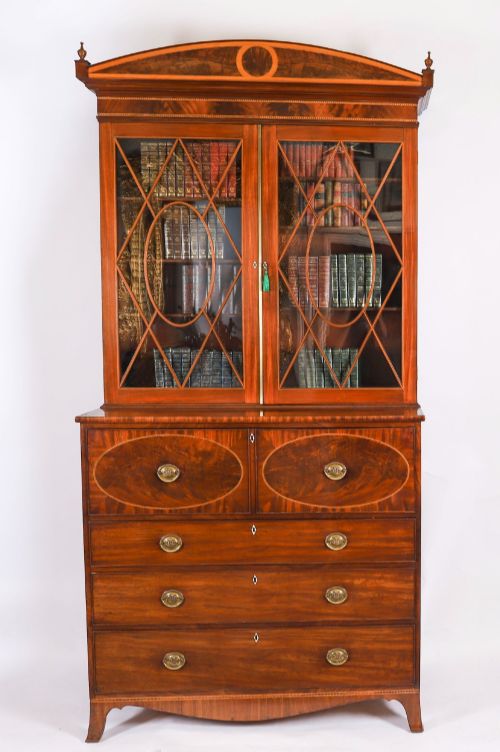
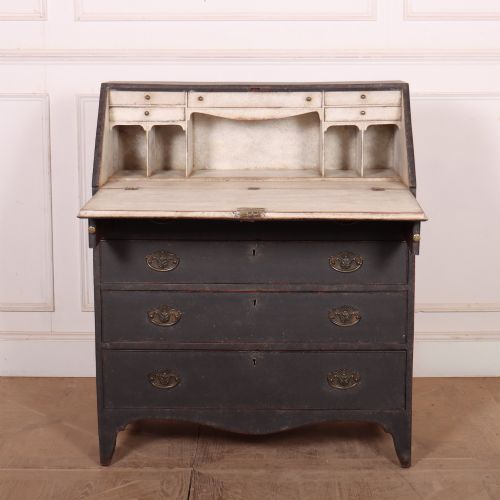
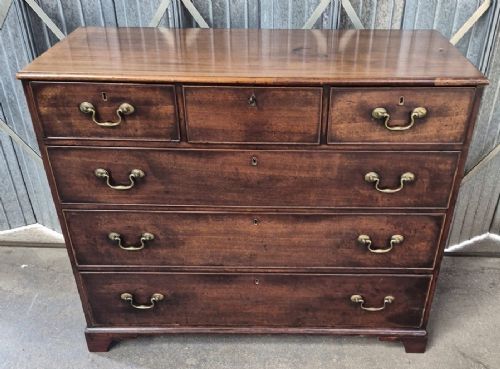
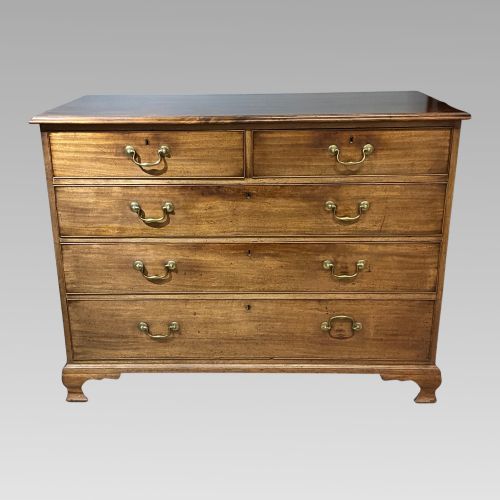
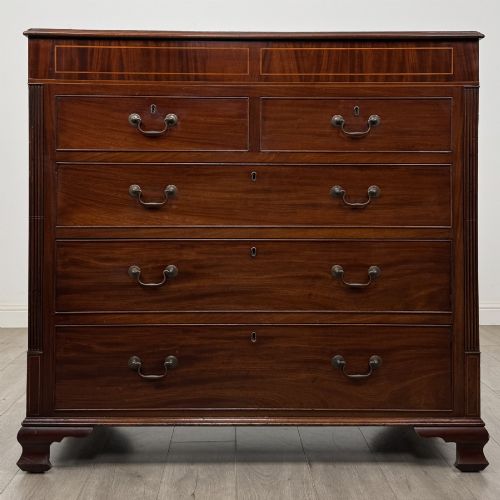
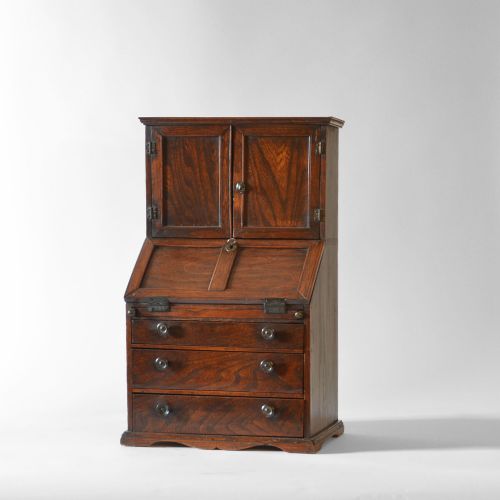
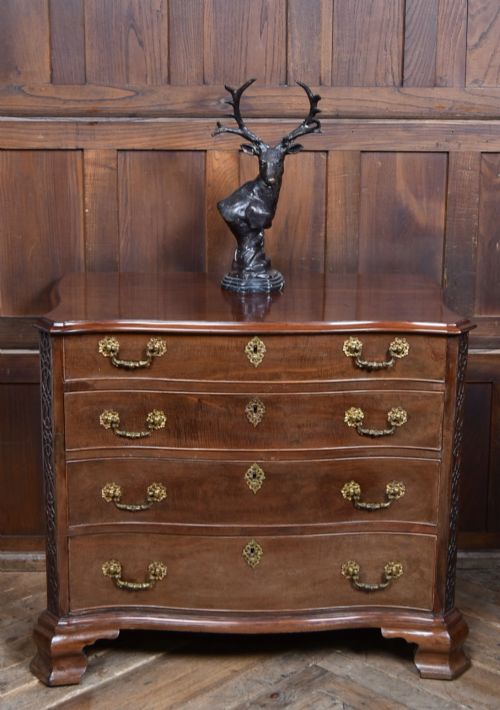
A georgian wood bureau takes several forms on this page, including fall-front desks, bureau bookcases with glazed upper cabinets, and related chests of drawers or writing tables. These pieces originate across the eighteenth and nineteenth centuries, spanning Georgian, Regency, and Queen Anne periods.
The version most commonly met here is the mahogany or walnut bureau with fitted internal compartments, alongside bureau bookcases and kneehole desks in oak, yew wood, and satinwood. Many examples feature drop fronts that open to reveal small drawers and pigeonholes.
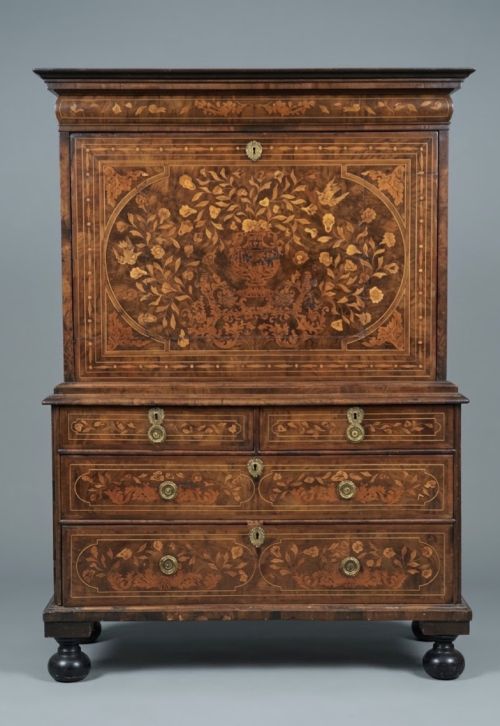
Makers and craftsmen utilised dense hardwoods to build sturdy writing furniture designed to last centuries, incorporating bracket feet, brass handles, and occasionally hidden wells or marquetry inlay.
Materials and Construction Techniques
Makers constructed these desks and cabinets primarily from solid mahogany, walnut, oak, and yew wood, often selecting figured timbers to create patterned surfaces on drawer fronts and fall flaps. Satinwood and brass hardware provided contrast and structural reinforcement.
Joinery techniques relied on dovetailed drawer construction and framed panels, allowing timber to expand and contract naturally over decades. Glazed upper sections utilised delicate wooden glazing bars, such as astragal mouldings, to hold individual panes of glass securely.
Georgian Wood Bureau Retail Price Guide 2026
Typical asking prices for georgian wood bureau among the pieces listed under this phrase on Sellingantiques today, from the lower quarter to the upper quarter. They describe what is for sale here now, not the wider market.
Listings feature mahogany, oak, walnut, yew wood, and satinwood across Georgian, Regency, and Edwardian periods.
Judging Quality and Execution
Quality rests upon the selection of timber figure, the crispness of internal pigeonhole joinery, and the integrity of the original brass handles and bracket feet. Pieces with finely figured mahogany veneers or burl elm show greater ambition from the cabinetmaker.
Proportion and balance separate standard regional items from exceptional London or provincial workshop output, particularly where secondary timbers and internal hidden wells remain intact and undisturbed by later alterations.
Gillows
The Georgian Wood Bureau Glossary
- Bureau
- A writing cabinet featuring a sloping fall-front that opens to reveal a fitted interior of small drawers and pigeonholes.
- Secretaire Bookcase
- A tall cabinet combining a fitted writing drawer or drop-front desk section with upper glass-fronted shelving for books.
- Astragal Glazed
- A glass door divided into smaller panes by narrow wooden mouldings intersecting in geometric patterns.
- Hidden Well
- A concealed compartment beneath the sliding floor of a bureau interior used for storing valuables.
- Bracket Foot
- A simple, corner-supporting foot shaped like a bracket, commonly found on eighteenth-century case furniture.
- Kneehole Desk
- A compact writing table featuring a central recess for the user's legs, flanked by pedestals of small drawers.
Georgian Wood Bureau: Frequently Asked Questions
What is a georgian wood bureau?
A georgian wood bureau is a traditional writing desk featuring a hinged, sloping fall-front that opens to expose a fitted interior of small drawers and pigeonholes. These pieces were built during the eighteenth and early nineteenth centuries in woods such as mahogany, oak, walnut, and yew.
Beneath the writing surface, they typically incorporate several full-width drawers for storage. They served as the primary administrative furniture for households before the widespread use of modern desks.
How do I tell a Georgian bureau from a Regency one?
Georgian pieces often display proportions, bracket feet, and brass pull handles associated with mid to late eighteenth-century cabinetmaking. Regency examples, dating from the early nineteenth century, frequently exhibit bolder mahogany grains, ebonised details, or heavier brass mounts.
Examining the secondary timbers inside the drawers and the style of the internal pigeonholes helps clarify the specific period of manufacture. Construction methods shifted subtly as workshops adopted new tooling across these decades.
How were bureau bookcases used?
Bureau bookcases combined a working desk space with upper storage for books and bound volumes behind glass doors. The upper shelving held a library or household records, while the drop-front desk provided a flat surface for daily correspondence.
These dual-purpose cabinets stood in parlours, libraries, or drawing rooms where space economy and formal presentation mattered. The lockable fall-front kept sensitive papers secure from casual view.
How do I care for antique wood furniture?
Antique wood furniture requires stable indoor humidity and protection from direct sunlight to prevent timber shrinkage and veneer lifting. Maintaining a consistent room temperature preserves the integrity of old glues and dry timbers.
Applying occasional appropriate wax polish nourishes the surface finish without building up heavy chemical residues. Dusting with a soft, dry cloth prevents particulate accumulation on polished mahogany and walnut surfaces.