



Georgian Wine Chest Stand
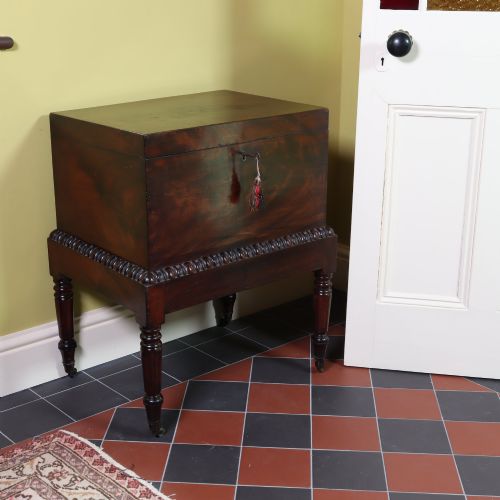
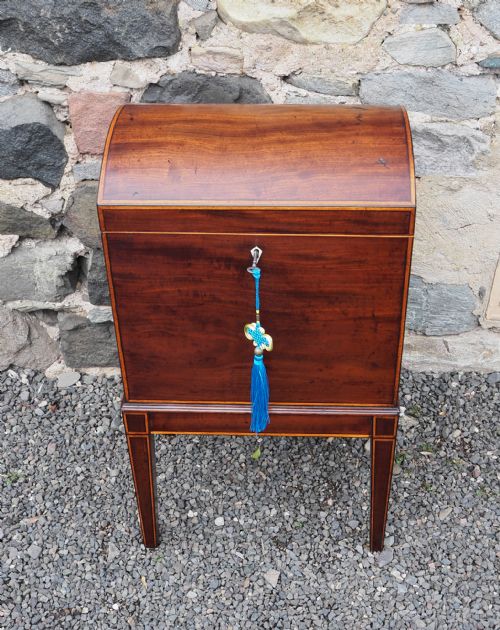
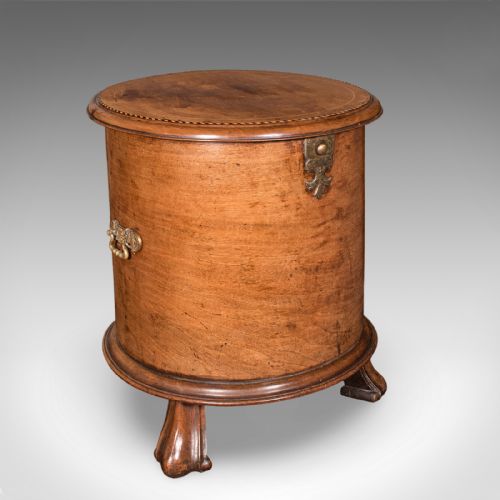
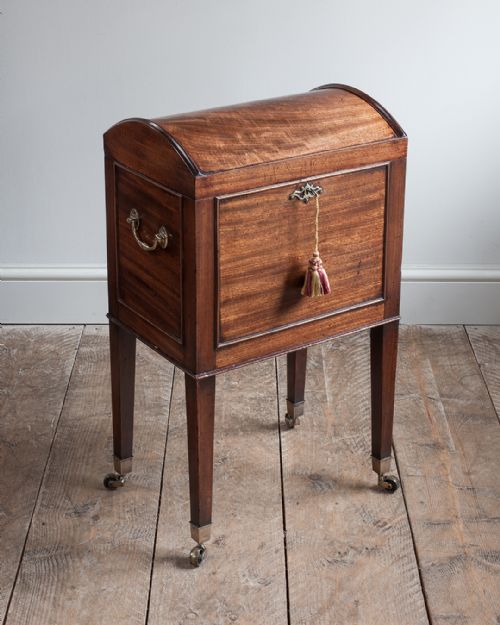
A georgian wine chest stand brings the dignified art of period bottle storage directly into a room.
Georgian Wine Chest Stand
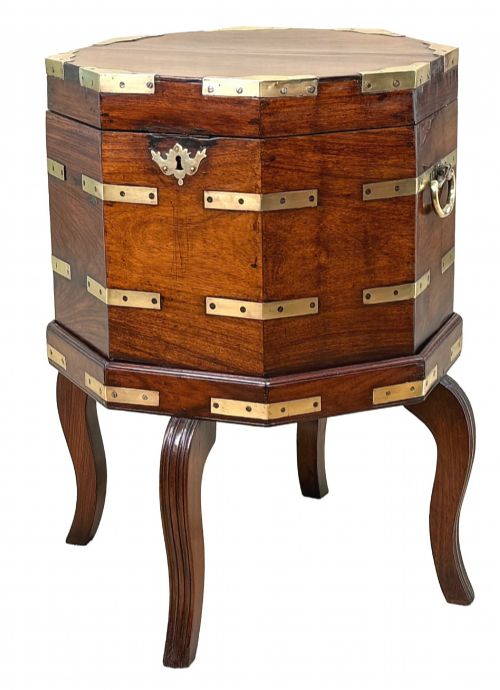
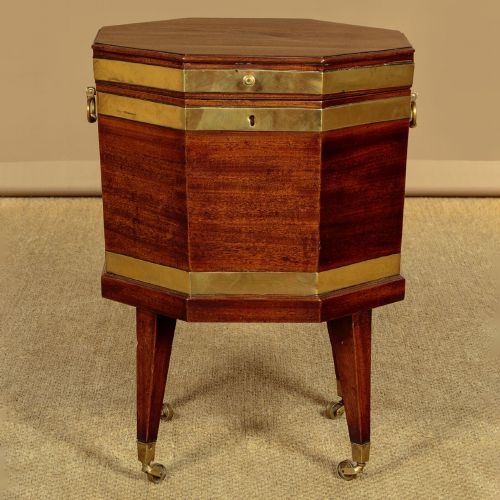
A georgian wine chest stand encompasses cellarettes and wine coolers originating from the eighteenth and nineteenth centuries. These pieces function as dedicated containers for cooling or storing wine bottles near the dining table.
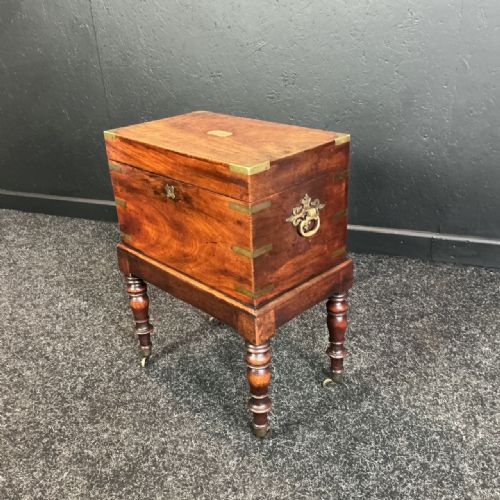
Makers utilised resilient hardwoods and incorporated brass banding for structural stability and visual contrast. Collectors encounter various formats ranging from tabletop wine boxes to substantial floor-standing cellarettes.
Distinguishing quality across examples
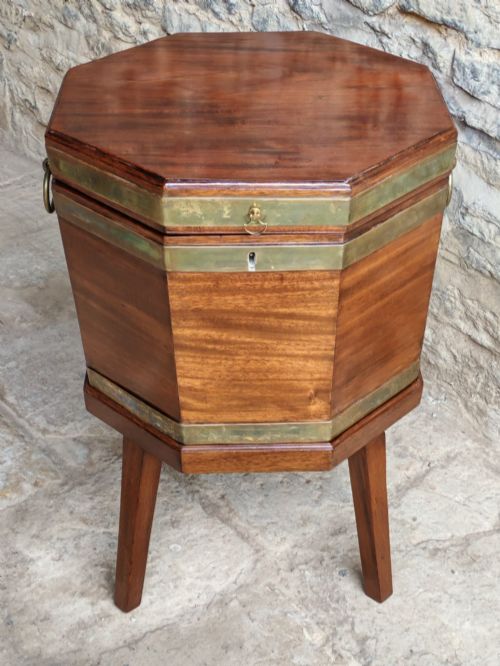
The refinement of the timber grain and the depth of the natural patina dictate the visual standing of an example. Flame mahogany surfaces with rich figuring command greater attention than plain boards.
Originality of the supporting stand remains a primary factor, as many vessels were separated from their bases over time. Integrated stands that match the exact period and timber of the chest elevate the piece significantly.
The precision of the brass work, including cast handles and secure banding, separates standard production from superior craftsmanship. Finely executed inlay work further signals a higher grade of workshop output.
Several chests feature interior zinc linings that once held the ice, reminding us of eighteenth-century party planning.
Gillows
The Georgian Wine Chest Stand Glossary
- Cellarette
- A lockable container used for storing wine bottles in a dining room. These vessels often rest on dedicated stands or low legs.
- Wine cooler
- A large container, frequently lined with zinc or lead, designed to hold ice and chill bottles during meals. They share close functional ties with cellarettes.
- Flame mahogany
- A highly figured wood veneer displaying characteristic flickering flame patterns. Cabinetmakers selected this cut for the most prominent exterior surfaces.
- Brass bound
- A construction technique involving metal straps fitted around the exterior of a wooden chest. This method adds structural strength and decorative contrast.
- Teapoy
- A small storage chest on a central pillar or legs, originally intended for holding tea leaves. While distinct from wine cellarettes, they share similar period cabinetry.
Georgian Wine Chest Stand: Frequently Asked Questions
What is a georgian wine chest stand?
A georgian wine chest stand is a period container built to store, cool, or transport wine bottles during the eighteenth and nineteenth centuries. These items typically feature deep wooden bodies designed to withstand the weight of glass bottles.
Many examples sit upon dedicated wooden stands, though some smaller versions functioned as tabletop boxes. They represent the height of formal dining room accessory design from the Georgian era.
How were these wine chests originally used?
Wealthy households utilised these containers in the dining room to keep wine close at hand during extended meals. Servants filled the internal compartments with ice or cold water to chill the bottles before serving.
The lockable lids ensured that expensive vintages remained secure from unauthorised access. After dining, the chests served as permanent storage furniture within the reception rooms.
How do I identify a George III piece?
George III pieces typically display classic proportions, superior mahogany timbers, and restrained classical decorative elements. Look for hand-cut dovetail joints and period-appropriate brass hardware.
Octagonal and oval body shapes dominate this era, often enhanced by subtle boxwood stringing or brass banding. The presence of an original matching stand strongly supports a George III attribution.
Can I use a wine chest in a modern interior?
These chests integrate smoothly into contemporary living spaces as statement side tables or decorative storage units. Their rich timber tones complement both traditional and modern interior design schemes.
The deep interior compartments make them useful for storing contemporary items while maintaining a strong historical presence in the room.