





Georgian White Glazed Pottery
Georgian white glazed pottery brings home the painted tin-glazed earthenware and creamware of the eighteenth century.
Georgian White Glazed Pottery
When you search for georgian white glazed pottery, you encounter a selection of chargers, plates, bowls, and jars spanning the eighteenth and early nineteenth centuries. The listings are dominated by English and Dutch delftware alongside creamware and stoneware vessels.
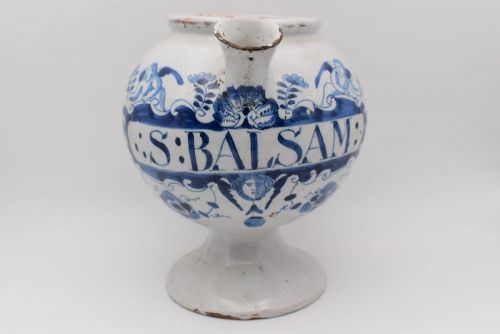
Most pieces date to the eighteenth century, presenting decorative or utilitarian forms such as teapots, vases, and drug jars. These items reflect the domestic pottery traditions of English potteries in Lambeth and Bristol alongside continental counterparts.
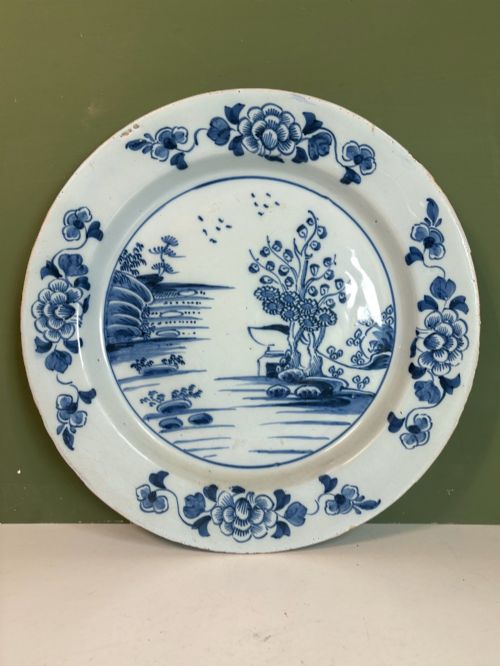
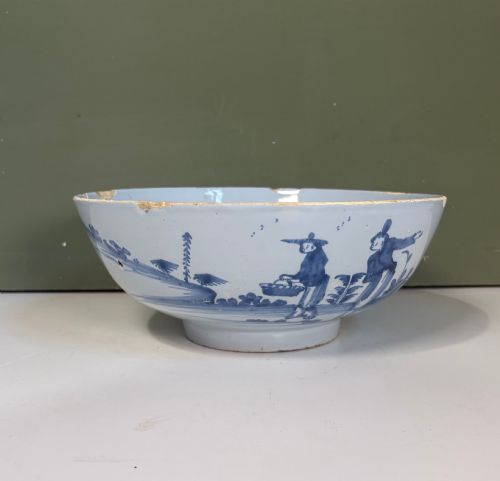
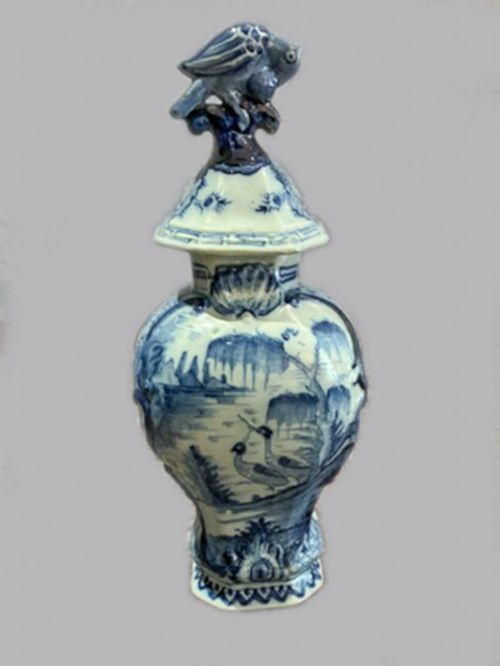
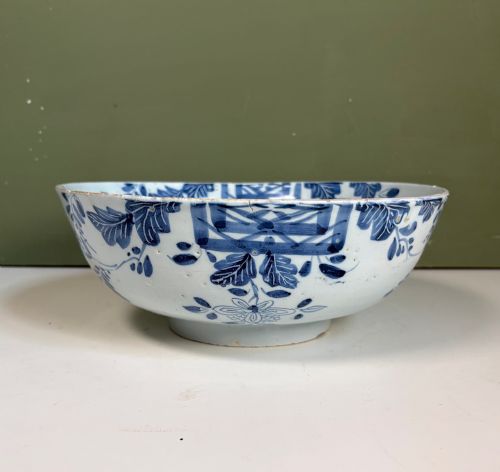
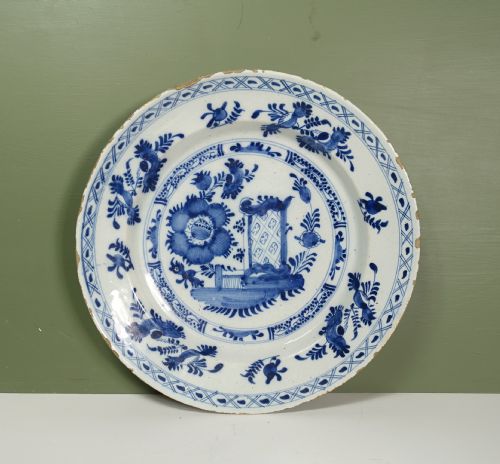
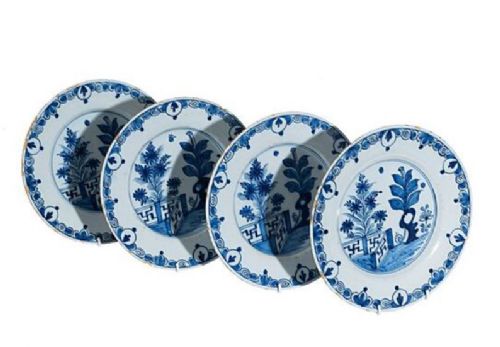
Forms range from flat chargers and octagonal dishes to deep bowls and lidded vases, often bearing blue and white or polychrome pigments beneath the glaze.
How they were made
Potters utilised earthenware and ceramic bodies, coating them in tin glaze or lead glaze to achieve the characteristic white surface. Pigments including cobalt oxide and cobalt pigment were applied directly to the unfired or fired glaze.
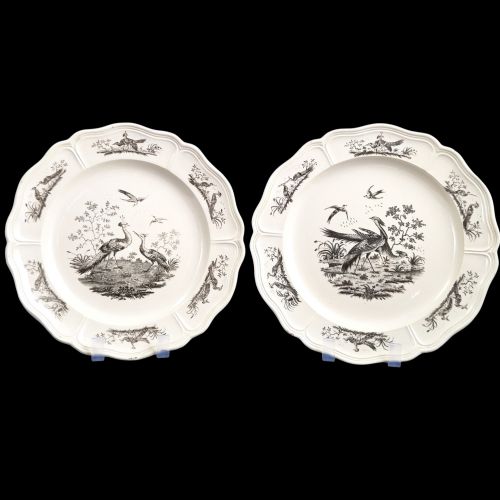
Many examples rely on hand-painted brushwork, while others incorporate transfer printing techniques as seen on nineteenth-century meat platters and serving plates.
Georgian White Glazed Pottery Retail Price Guide 2026
Typical asking prices for georgian white glazed pottery among the pieces listed under this phrase on Sellingantiques today, from the lower quarter to the upper quarter. They describe what is for sale here now, not the wider market.
Listings feature eighteenth-century earthenware, tin-glazed pottery, and creamware in forms ranging from apothecary jars to chargers.
What varies in quality
The standard of a piece depends upon the crispness of the hand-painted brushwork and the stability of the tin glaze or lead glaze over the ceramic body. Delicately rendered Chinoiserie scenes or botanical motifs demonstrate superior hand control by the painter.
Depth of colour and consistency in the white glaze surface separate standard utility items from decorative chargers and apothecary jars produced by established potteries.
Enoch Wood & Sons·Spode
The Georgian White Glazed Pottery Glossary
- Creamware
- A refined earthenware developed in the eighteenth century, characterised by a pale cream-coloured lead glaze. It offered a lighter and more durable alternative to traditional tin-glazed pottery.
- Delftware
- Tin-glazed earthenware produced in England and the Netherlands, typically featuring a white opaque glaze painted with blue or polychrome designs. It frequently took the form of chargers, plates, and apothecary jars.
- Tin Glaze
- An enamel glaze containing tin oxide that fires to an opaque white finish. This surface served as a ground for painting in cobalt pigment or other metal oxides.
- Lead Glaze
- A transparent or semi-translucent coating applied to earthenware and fired to create a glossy seal. It allowed the underlying body or slip decoration to remain visible.
Georgian White Glazed Pottery: Frequently Asked Questions
What is georgian white glazed pottery?
These items comprise tin-glazed earthenware, creamware, and stoneware vessels made during the eighteenth and early nineteenth centuries. They include plates, chargers, bowls, and storage jars.
Many examples feature hand-painted blue and white or polychrome decoration, reflecting production traditions in England and the Netherlands.
How do I identify eighteenth century delftware?
Eighteenth century delftware displays an opaque white tin glaze over a softer earthenware body, often showing crazing or minor glaze losses at the edges. The decoration is typically hand-painted in cobalt blue or polychrome pigments.
English and Dutch workshops produced these wares in forms such as chargers, wet drug jars, and octagonal dishes.
Were these objects used daily?
Many items, such as plates, dishes, and creamware vessels, served functional roles in Georgian households for dining and food storage. Apothecary jars held medical ingredients in shops and dispensaries.
Larger chargers and decorative bowls were frequently displayed on walls or dresser shelves as ornamental pieces.
How should I care for antique pottery?
Keep these ceramic pieces away from direct sunlight and areas prone to sudden temperature fluctuations. Dust them gently with a dry, soft cloth.
Avoid immersing antique tin-glazed items in water, as moisture can penetrate old glaze fractures and damage the underlying earthenware body.