

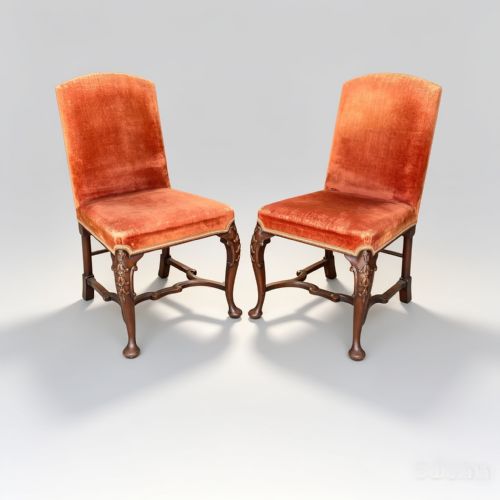


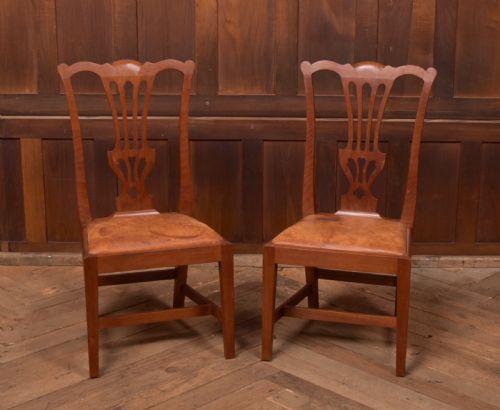


Georgian Walnut Hall Chair
A georgian walnut hall chair brings rich dark timber and formal presence to an entrance, offering guests a sturdy seat while anchoring a hallway.
Georgian Walnut Hall Chair
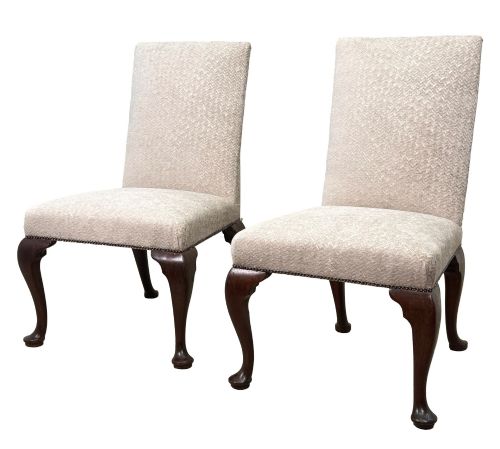
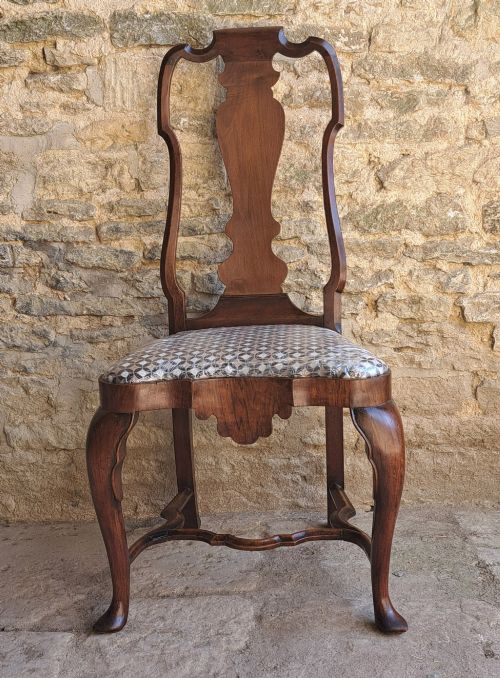
A georgian walnut hall chair sits firmly within the 18th century, drawing on George I, George II, and George III periods alongside later revival movements. These seating pieces appear as side chairs, occasional seats, and high-back forms fashioned from dark figured timber. Most examples on offer date from the 18th century or adopt Queen Anne and George II styles.
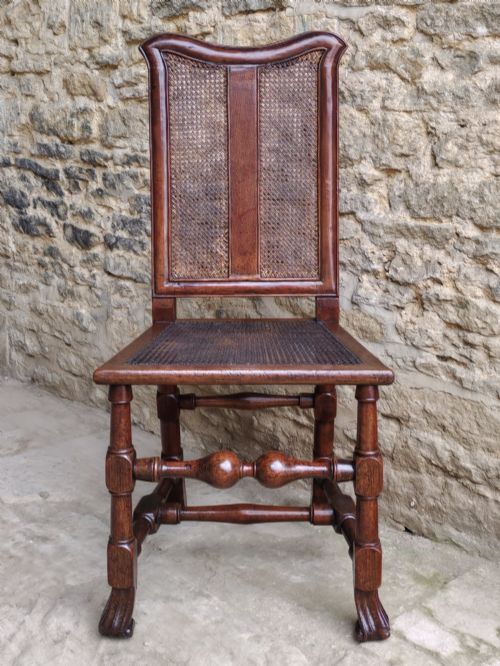
Makers shaped these forms for reception rooms and hallways, utilising sturdy side chair frames without arms for easy placement against narrow walls. Regional variations span English workshops and Scottish cabinetmakers, while later 19th and 20th-century revivals replicate the earlier Georgian aesthetic.
Materials and construction
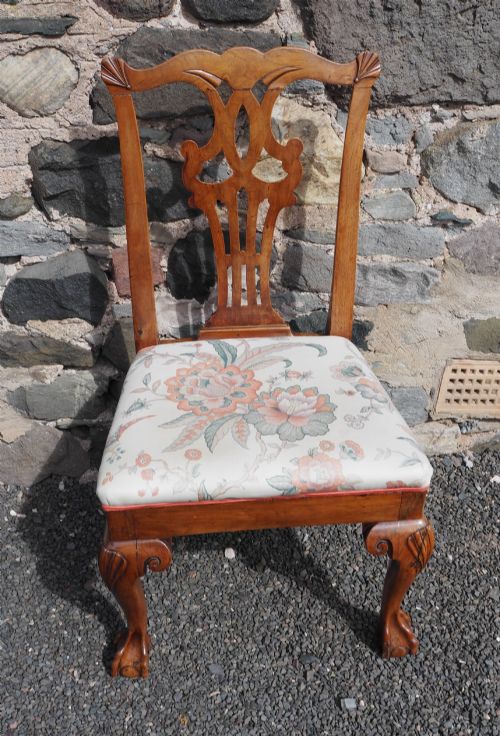
Cabinetmakers built each georgian walnut hall chair using solid walnut and marquetry veneers, sometimes combining elm or secondary timbers within the frame. Upholstered variants rely on fabric, textile, velvet, and tapestry upholstery, secured alongside brass tacks or needlepoint seat covers.
Joinery methods reflect traditional 18th-century cabinet work, featuring cabriole legs, carved details, and shaped wooden backs designed for formal display and daily use.
Georgian Walnut Hall Chair Retail Price Guide 2026
Typical asking prices for georgian walnut hall chair among the pieces listed under this phrase on Sellingantiques today, from the lower quarter to the upper quarter. They describe what is for sale here now, not the wider market.
The listings span multiple centuries, capturing walnut, fabric, brass, and tapestry upholstery across diverse forms.
Assessing quality in walnut seating
Quality rests on the depth of the walnut grain, the crispness of the carved details on the legs and back, and the structural integrity of the frame. Early 18th-century pieces with original marquetry or untouched timber surfaces stand apart from later revival pieces.
The sophistication of the joinery and the authenticity of the upholstery materials, whether period needlepoint or later textile coverings, separate standard examples from finer works by documented makers.
Whytock and Reid of Edinburgh
The Georgian Walnut Hall Chair Glossary
- Cabriole leg
- A furniture leg that curves out and then in, mimicking an animal's leg. This form frequently appears on George II walnut seating.
- Marquetry
- Decorative patterns created by fitting thin pieces of wood veneer into a background panel. Examples include intricate floral or geometric designs on 18th-century surfaces.
- Needlepoint
- Canvas work embroidery used extensively for seat covers and upholstery on period chairs. Surviving needlepoint adds significant tactile character to antique seats.
- Side chair
- An upright chair without arms designed for dining or hall use. These form the majority of walnut hall seating options.
- High back
- A tall chair back offering dramatic vertical presence and support. This shape is typical of early 18th-century walnut chairs.
Georgian Walnut Hall Chair: Frequently Asked Questions
What is a georgian walnut hall chair used for?
These chairs served primarily as formal seating in grand hallways, landings, and reception rooms where visitors waited. Their upright backs and sturdy construction kept posture correct while making a strong visual statement upon entering a home.
Today, they function well as accent seating in entryways, bedrooms, or studies, bringing historical warmth and architectural presence to modern interiors without taking up excessive floor space.
How do I date an 18th century walnut chair?
Dating relies on examining the timber grain, construction joints, and stylistic markers such as cabriole legs, splat backs, or marquetry inlay. Earlier pieces from the George I period often feature higher backs and veneered walnut surfaces, while mid-century examples transition toward refined carving.
Comparing the wear patterns, secondary woods, and upholstery remnants against documented regional styles helps narrow down the decade of manufacture.
Are these chairs comfortable for daily sitting?
Most hall chairs were built for formal architectural display rather than long lounging sessions, meaning their wooden or firm needlepoint seats offer an upright posture. Upholstered variants provide more cushioning, but their proportions remain tailored to 18th-century ergonomics.
Placing them in occasional use spots allows you to enjoy their historical craftsmanship while maintaining comfort through cushions or sensible placement.
How do I care for antique walnut furniture?
Walnut timber benefits from stable indoor humidity and protection from direct sunlight, which can fade the rich grain over time. Regular dusting with a soft, dry cloth preserves the polished surface without building up chemical residues.
Applying a traditional beeswax polish occasionally helps nourish the wood and maintain its natural lustre without harming historical finishes.