


Georgian Wall Portrait Miniature
A georgian wall portrait miniature offers an intimate glimpse into the past, presenting small-scale likenesses designed to be hung closely in domestic spaces.
Georgian Wall Portrait Miniature
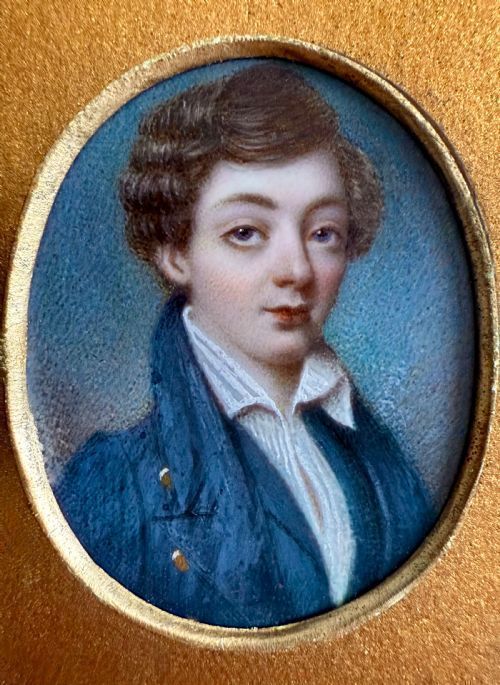
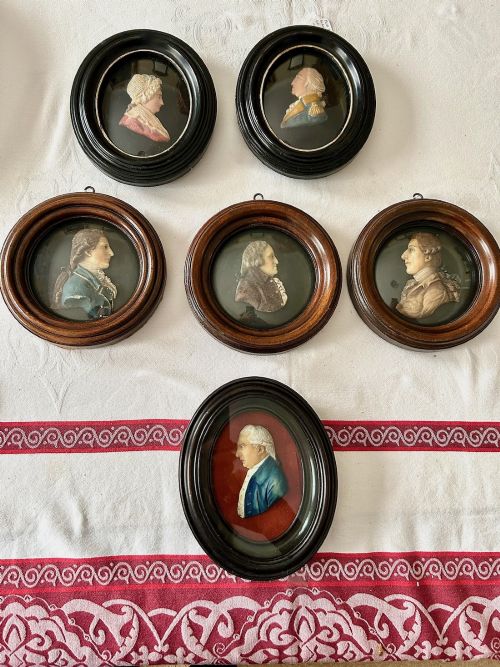
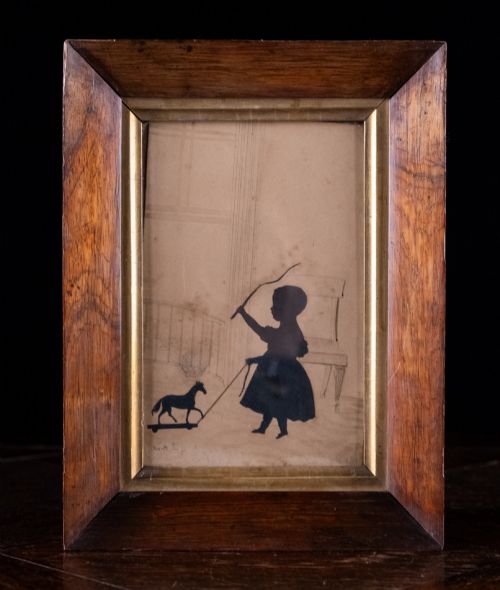
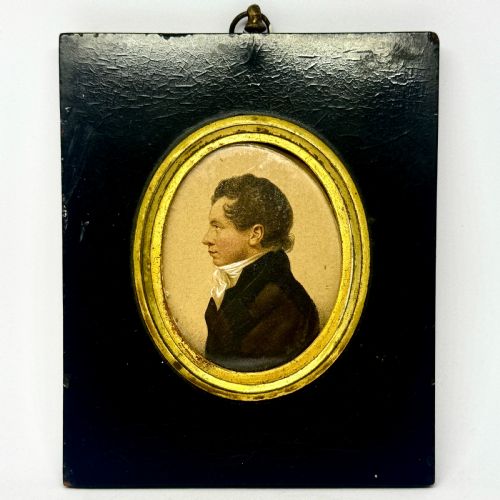
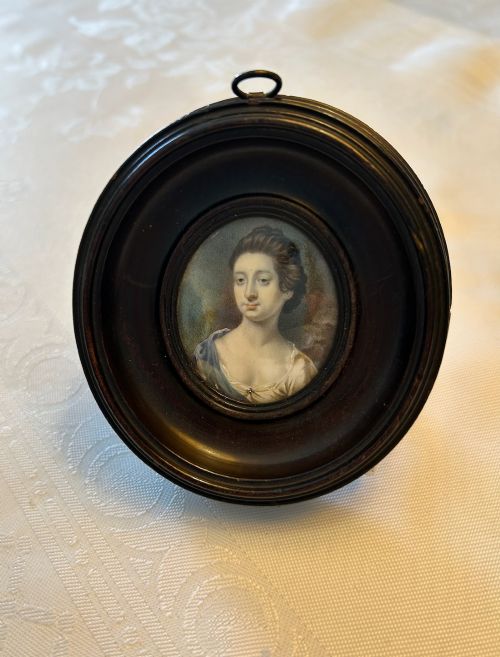
A georgian wall portrait miniature brings together small framed likenesses created across the eighteenth and nineteenth centuries. These works include delicate watercolours, cut paper silhouettes, and wax reliefs intended for wall display.
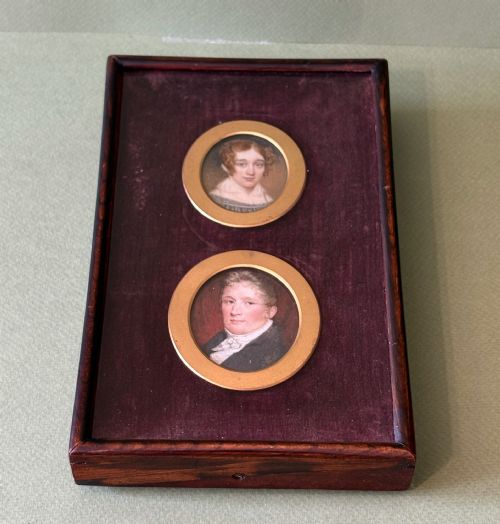
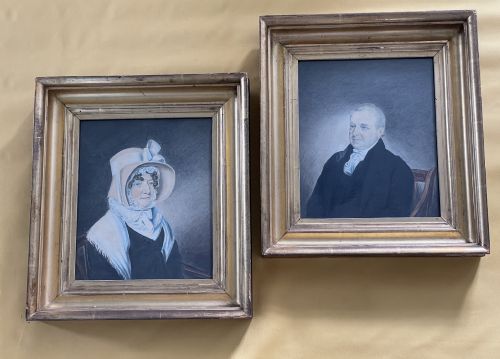
The pieces on this page appear in various formats, from solitary ovals to sets of companion portraits. They reflect the tastes of Georgian and Regency interiors through framed painted studies and silhouettes.
Makers utilised diverse media such as ivory, paper, brass, and enamel to capture subjects ranging from naval officers to family groups. Each miniature provides a direct link to portraiture traditions of the period.
Materials and methods
Artists painted watercolour and gouache on ivory, paper, or porcelain, often housed within ebonised wood or giltwood frames. Plumbago drawings employed fine graphite technique on vellum or paper to achieve precise detail.
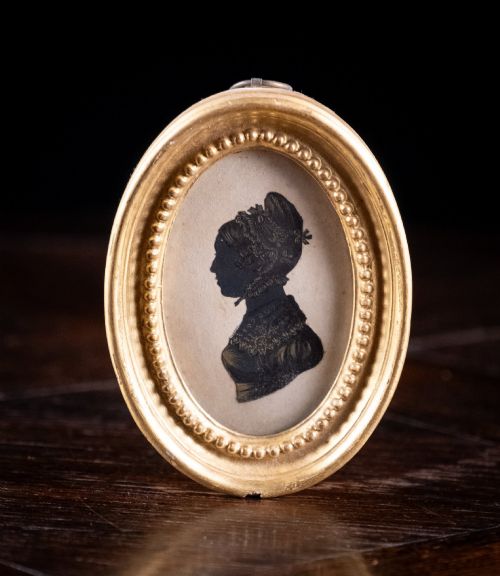
Silhouettes relied on cut paper, ink, and gilded accents applied to card or glass. Enamel plaques required firing pigments onto metal substrates, while wax reliefs built up dimensional profiles of sitters.
Protective glass covers secured over brass bezels or wood frames preserved the delicate pigments and paper surfaces from environmental damage.
Framed silhouette portraits on this page incorporate diverse techniques including cut paper, gilt highlights, and pressed white glass paste.
Assessing quality and execution
The refinement of the sitter's facial expression and the precision of the brushwork or cutting distinguish superior examples from simpler studio pieces. Master artists rendered drapery and hair with notable depth and conviction.
Original framing contributes significantly to a piece's integrity, particularly when ebonised wood, brass mounts, and convex glass remain unaltered. Period surrounds complement the scale and proportion of the artwork within.
Richard Cosway·Augustin Edouart·John Taylor·James Tassie·James Ferguson·George Hargreaves·John Smith·Ozias Humphry·Louis Léopold Boilly·N Millett·Bartolozzi
The Georgian Wall Portrait Miniature Glossary
- Plumbago
- A drawing executed in graphite, taking its name from the Latin word for lead. These monochrome works display exceptional linear precision.
- Silhouette
- A profile likeness cut from paper or painted in solid black pigment, frequently enhanced with gold highlights. These profiles record the outlines of sitters with stark economy.
- Giltwood
- Wood carved and coated with gold leaf or gilt gesso, commonly used for nineteenth-century picture frames. This finish provides a bright border for dark miniature portraits.
- Ebonised
- Wood treated to imitate ebony through dark staining and polishing. This treatment creates a contrasting dark frame that accentuates light painted surfaces.
- Enamel plaque
- A small metal plate fused with vitreous coloured glass powders through kiln firing. These glossy surfaces retain vibrant pigments without fading over time.
Georgian Wall Portrait Miniature: Frequently Asked Questions
How were these miniature portraits displayed?
These small artworks were traditionally hung on domestic walls in intimate groupings or paired arrangements. Their modest scale allowed multiple family members or associates to be grouped closely together within a single room.
Today, collectors continue to display them in small clusters or gallery walls to preserve the historical manner of exhibition.
What materials are common in these miniatures?
Common materials include watercolour on ivory or paper, cut paper silhouettes, plumbago graphite drawings, and enamel on metal plaques. Frames are frequently constructed from ebonised wood, rosewood, or giltwood.
Protective glass components, often convex, shield the delicate painted surfaces from dust and handling.
How do I identify a Regency period piece?
Regency items often feature specific stylistic indicators such as distinct hairstyles, attire like turban caps or high-collared coats, and particular framing choices. Silhouettes and watercolour studies from this era frequently date between eighteen hundred and eighteen thirty.
Documentation or attribution on the reverse can also help establish the chronological period of the artwork.
Are these portraits painted on ivory?
Many eighteenth and nineteenth-century examples utilise thin slices of ivory as a painting ground because its luminous surface imparts a realistic glow to skin tones. Artists applied watercolour in fine stippled or layered washes.
Paper, card, and porcelain plaques also served as alternative grounds for plumbago and enamel works.