




Georgian Wall Decor
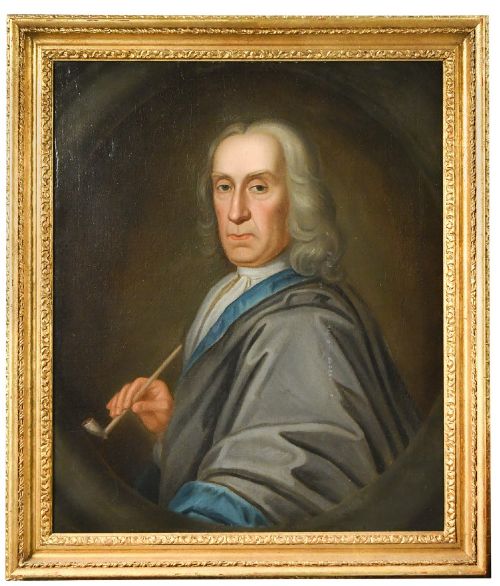
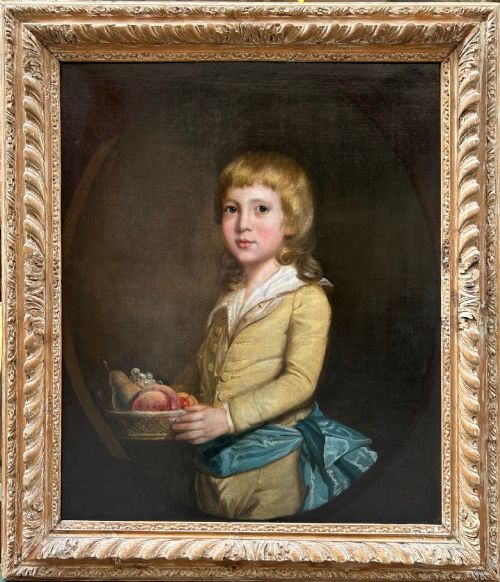
Georgian wall decor encompasses portraits, reverse glass prints, maps, and plaques intended for hanging interior spaces.
Georgian Wall Decor
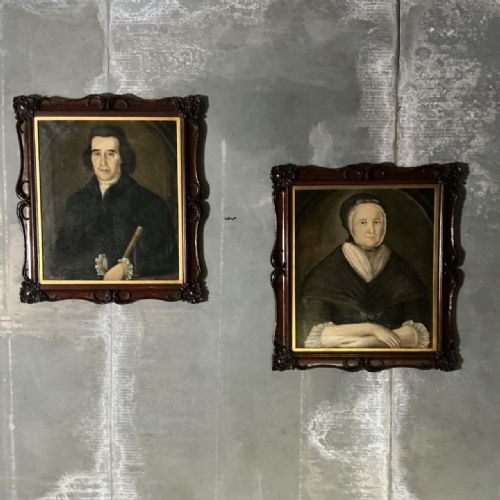
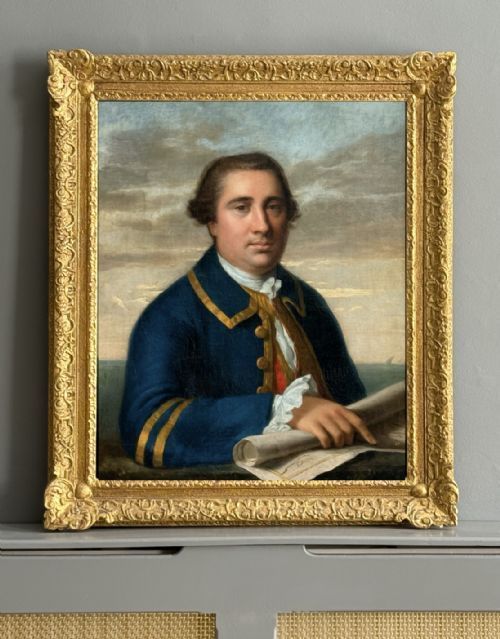
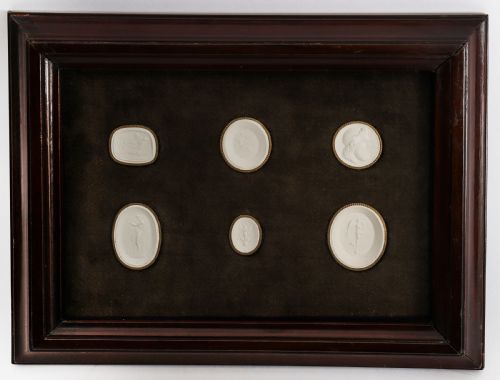
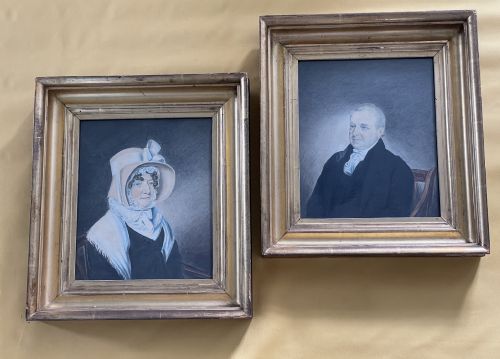
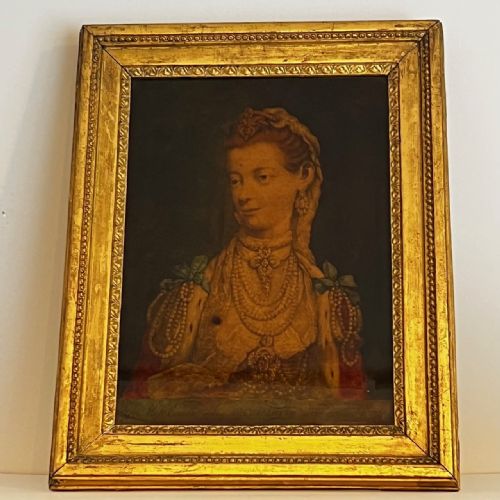
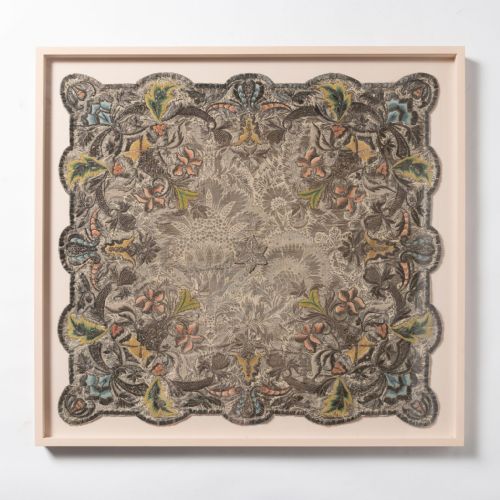
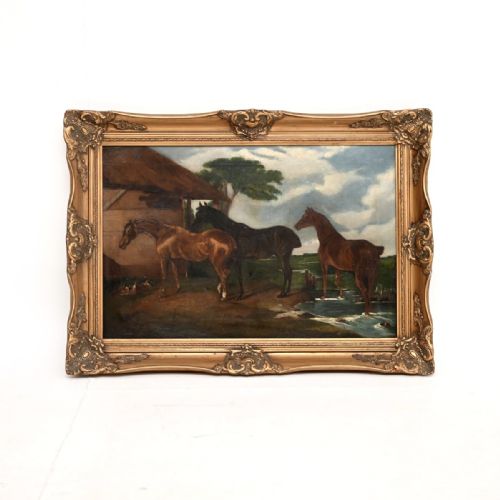
Georgian wall decor covers a diverse selection of items designed for interior display, spanning from oil paintings and hand-coloured engravings to framed cartography and plaster cast friezes. When exploring georgian wall decor, buyers frequently encounter portraits, animal studies, and topographical views originating across the eighteenth and nineteenth centuries.
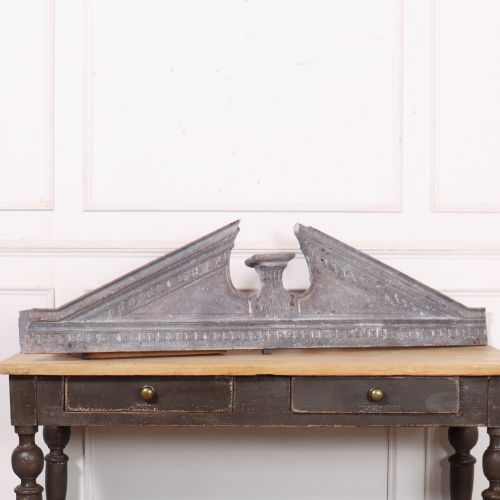
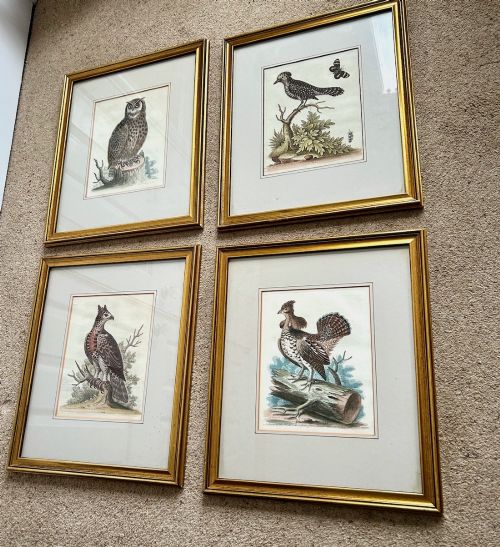
The objects on this page range from modest engraved prints of birds and river scenes to substantial oil paintings on canvas and panel. Domestic spaces of the period accommodated everything from detailed maps of Ireland and Westmorland to decorative wall plaques and overdoor pediments.
The selection reflects both formal artistic output, such as works attributed to named painters, and popular decorative items like reverse glass mezzotints and silhouette plumbago portraits. These pieces bring period character directly to interior walls through varied traditional formats.
How they were made
Many works utilise oil paint applied to canvas, pine panels, or boards, alongside watercolours and plumbago techniques on paper. Printmakers employed copperplate engraving and mezzotint methods, frequently adding hand-colouring to finished impressions.
Framing materials incorporate traditional giltwood, Hogarth mouldings, and simple timber surrounds, while specialised techniques like reverse glass painting demand the application of pigments directly to the rear of the glass plate.
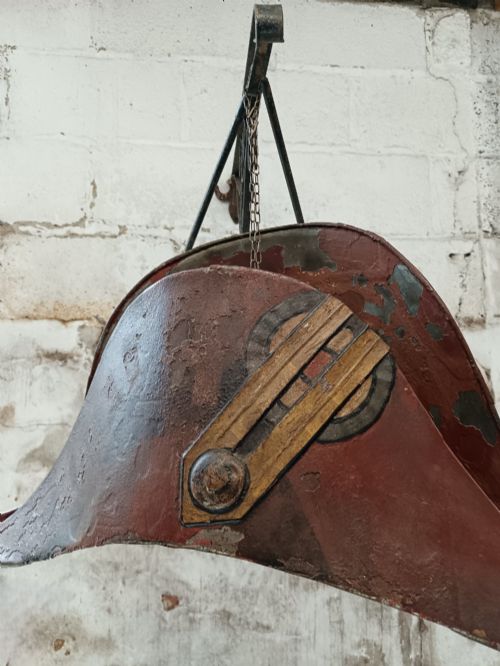
Relief elements such as wall friezes rely on moulded plaster, and trade signs utilise painted metal toleware. These construction methods reflect the standard workshop practices of the eighteenth and nineteenth centuries.
Georgian Wall Decor Retail Price Guide 2026
Typical asking prices for georgian wall decor among the pieces listed under this phrase on Sellingantiques today, from the lower quarter to the upper quarter. They describe what is for sale here now, not the wider market.
Several pieces capture horses with strong opinions and ducks holding firm gazes across the centuries.
What varies in quality
The distinction between tiers rests upon the execution of the hand, whether in the delicate brushwork of an oil portrait or the crispness of a stipple engraving. Superior examples demonstrate confident draughtsmanship and careful composition by skilled hands rather than hurried studio output.
Condition and originality dictate much of the standing, particularly regarding the survival of original pigments, unblemished glass surfaces, and period framing. Later alterations to canvases or surfaces diminish the integrity of the piece.
The depth of historical documentation and attribution also shapes value, with signed works or securely identified subjects holding greater distinction than anonymous decorative prints.
Sir William Beechey·Lemuel Francis Abbott·Thomas Beach·George Edwards·William Williams
The Georgian Wall Decor Glossary
- Reverse glass painting
- An artwork executed on the rear side of a glass panel so that the final image is viewed through the transparent front. This technique protects the pigments from dust and fading.
- Stipple engraving
- A printmaking method where an image is formed by a multitude of small dots applied using etching needles and stippling punches. It creates soft tonal gradations particularly suited to portraits.
- Toleware
- Lacquered or enamelled metal items, typically fashioned from sheet steel or iron. Military examples often served as functional trade signs.
- Plumbago
- A drawing executed in graphite, taking its name from the Latin term for lead ore. These detailed monochrome works were popular for intimate family portraits.
- Cartography
- The study and practice of making maps. Period examples capture historical geographical boundaries and decorative cartouches.
Georgian Wall Decor: Frequently Asked Questions
What counts as georgian wall decor?
This category includes period items hung on interior walls, such as oil paintings, framed engravings, maps, and plaster reliefs.
Most pieces date from the eighteenth and early nineteenth centuries, reflecting the artistic styles and domestic tastes of the Georgian and Regency eras.
How do I hang antique art safely?
Heavy items like oil paintings on canvas or plaster friezes require secure fixings anchored directly into wall studs or masonry.
Lighter works on paper and reverse glass prints benefit from stable hanging wire and positioning away from direct sunlight.
Are these prints original period pieces?
The engravings and mezzotints offered are period impressions printed in the eighteenth or nineteenth centuries rather than modern reproductions.
Detailed examination of the paper stock and plate marks helps confirm the age of each individual print.
How do I care for reverse glass prints?
These fragile items need gentle dusting with a dry microfiber cloth, avoiding liquid cleaners that might seep behind the glass.
Maintaining stable room temperatures prevents moisture accumulation that could otherwise damage the delicate pigments applied to the rear surface.