


Georgian Vernacular Side Table
A georgian vernacular side table brings honest timber and simple three-legged engineering straight from 18th-century country houses into modern rooms.
Georgian Vernacular Side Table
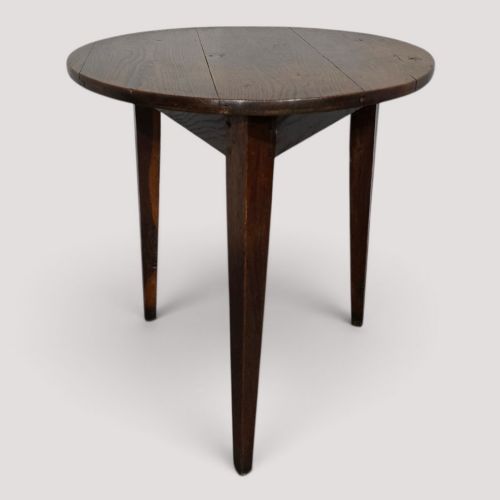
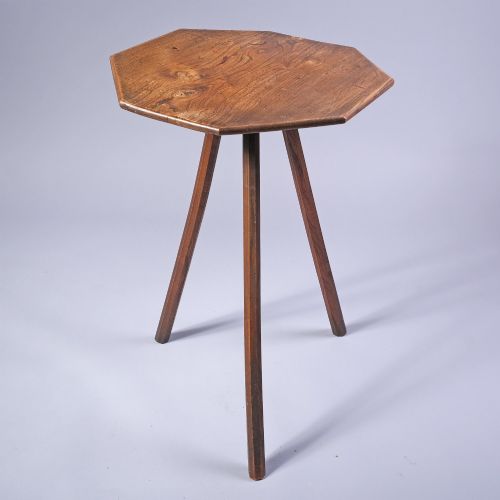
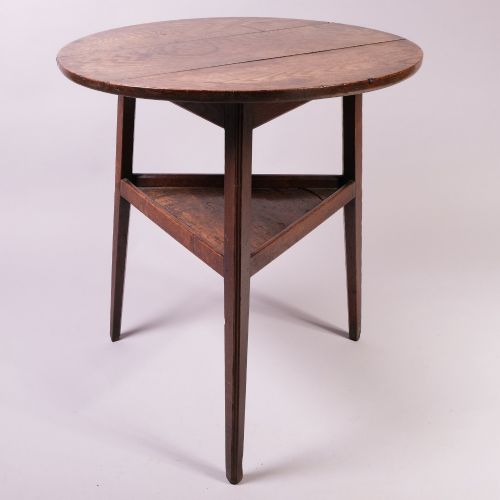
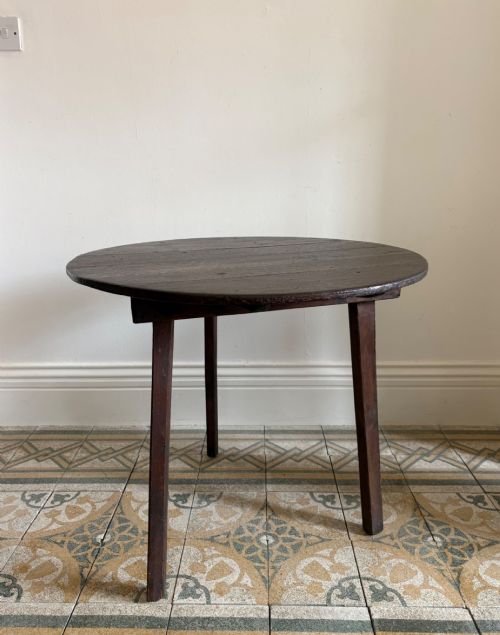
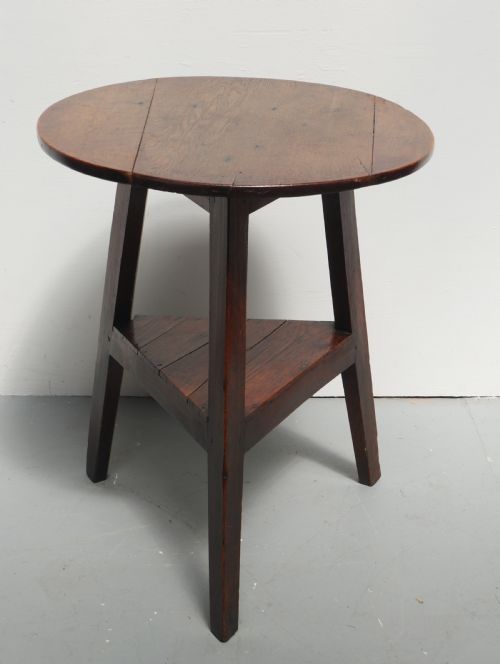
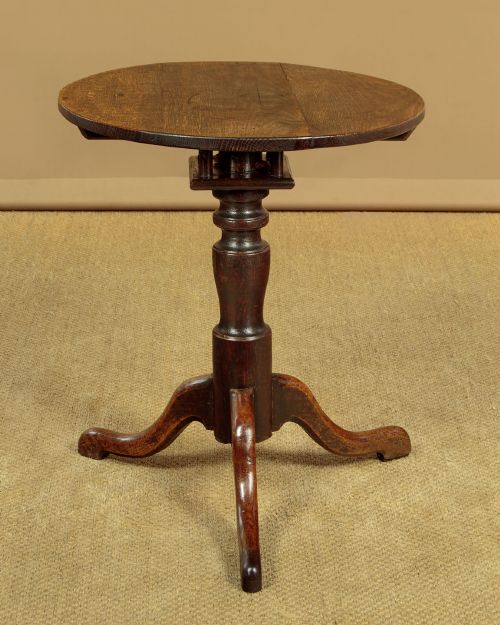
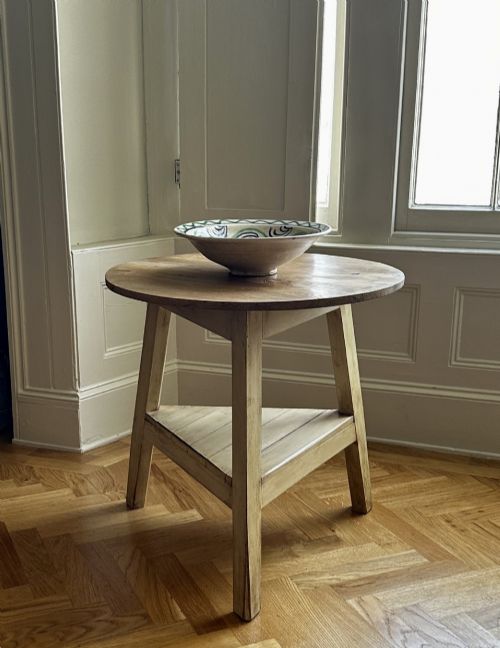
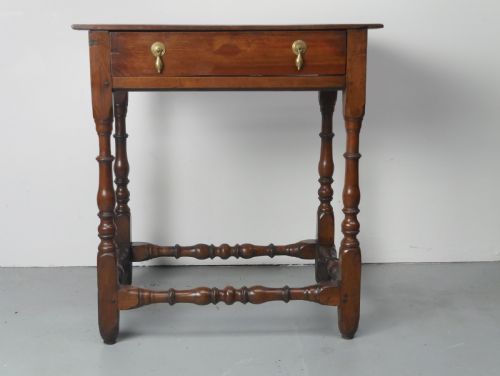
When buyers search for a georgian vernacular side table, they are met primarily with round-topped cricket tables, tripod tables, and low occasional pieces. These items originate mainly from the 18th and early 19th centuries, reflecting domestic rural life across England and Wales.
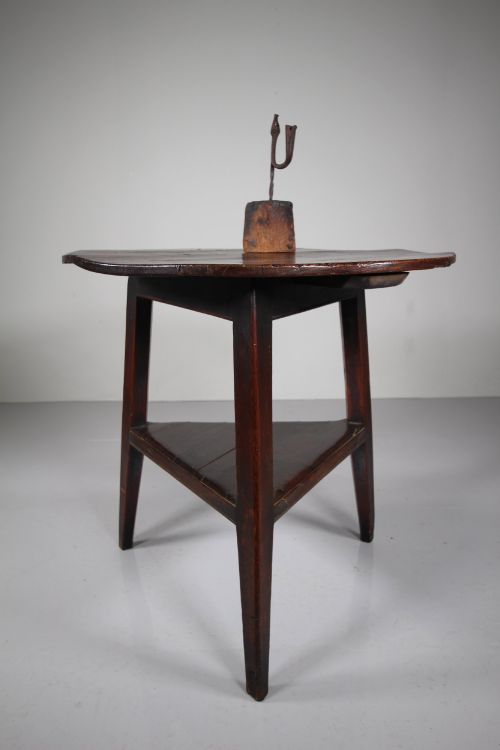
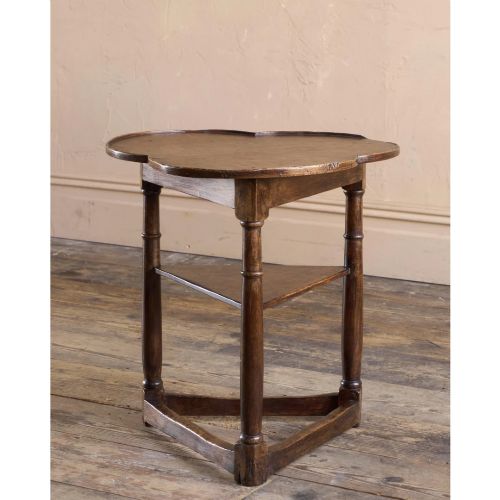
The common form on this page is the three-legged cricket table, featuring a plank or trefoil top supported by pegged legs. Alongside these stand occasional tables, occasional tripod models, and regional dresser bases.
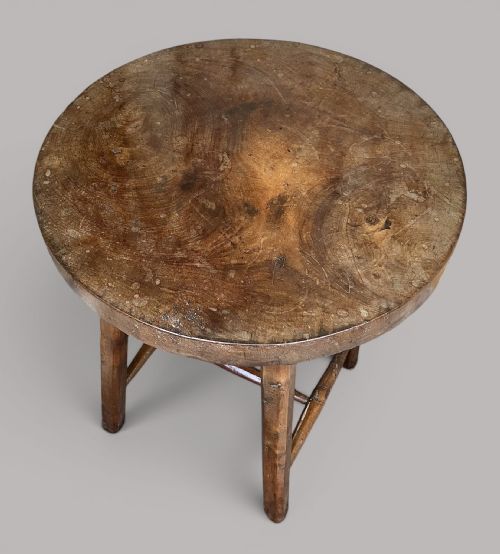
Makers working in this tradition prioritised utility over ornament, resulting in unpretentious domestic furniture built for daily work. Regional variations, such as pieces from Wales, bring distinct local character to the standard tripod or four-leg format.
Judging quality in vernacular furniture
Quality rests upon the integrity of the timber, the balance of the proportions, and the survival of an honest surface patination. Tables that retain their original pegging and show minimal structural replacement command greater appreciation among collectors.
The refinement of the leg turning and the thickness of the top plank also distinguish finer regional examples from basic utility pieces. Balance and stance matter immensely in three-legged forms, where an original timber combination dictates the piece's visual weight.
Milking stools and butcher's tables share space with cricket tables, proving country joiners would happily build anything with three or four solid legs.
The Georgian Vernacular Side Table Glossary
- Cricket table
- A small three-legged occasional table, typically with a round wooden top, traditionally used beside a hearth. The three legs ensure stability on uneven floors.
- Vernacular furniture
- Domestic pieces made by local carpenters or country joiners using regional styles and native woods, free from metropolitan high-style fashions.
- Tripod table
- Any small table supported by a central pillar or three splayed legs. These designs became widespread throughout the Georgian period.
- Trefoil top
- A tabletop shaped with three lobes resembling a clover leaf. This uncommon top style appears on specific early cricket tables.
- Dresser base
- A low utilitarian sideboard with drawers and cupboards, used for storing kitchen or dining equipment in country houses.
Georgian Vernacular Side Table: Frequently Asked Questions
What is a cricket table?
A cricket table is a small three-legged occasional table featuring a solid wooden top and splayed legs. The three-legged design prevented rocking on uneven flagstone or rush-strewn floors.
These pieces served versatile roles in domestic settings, sitting easily beside hearths or serving as light work tables.
How do I date a vernacular table?
Dating relies on observing tool marks, timber selection, construction methods, and regional design characteristics. Pegged joints and native woods like oak, ash, and elm point directly to 18th and early 19th-century workshop practices.
Examining the underside reveals whether the top boards and frame retain their original fixings or have undergone later restoration.
Where were these tables made?
These domestic items were produced by local country joiners and regional makers across England and Wales. Specific stylistic traits often link surviving examples to rural workshops in regions such as Monmouthshire or Snowdonia.
Proximity to local timber sources determined whether the maker used oak, ash, elm, or fruitwood for the frame.
How do I care for antique oak?
Keep wooden furniture away from direct heat sources and dramatic humidity shifts to prevent timber splitting. Regular gentle dusting preserves the natural wax finish and builds up depth in the patina over time.
Avoid modern liquid polishes that seal the grain; simple natural beeswax applied sparingly maintains the historic surface.