


Georgian Two Section Chest
A georgian two section chest is a practical storage piece designed in two halves for ease of movement, offering handsome timber and generous proportions.
Georgian Two Section Chest
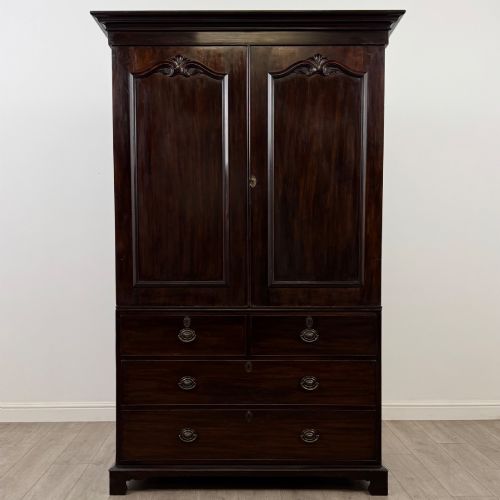
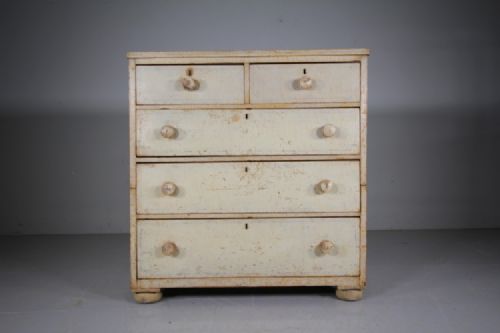
A georgian two section chest splits horizontally into an upper and lower cabinet or chest of drawers, making transport simpler for homes that moved frequently. You will most commonly find these pieces constructed in mahogany, oak, or walnut, spanning the eighteenth century through the Regency period and later revivals.
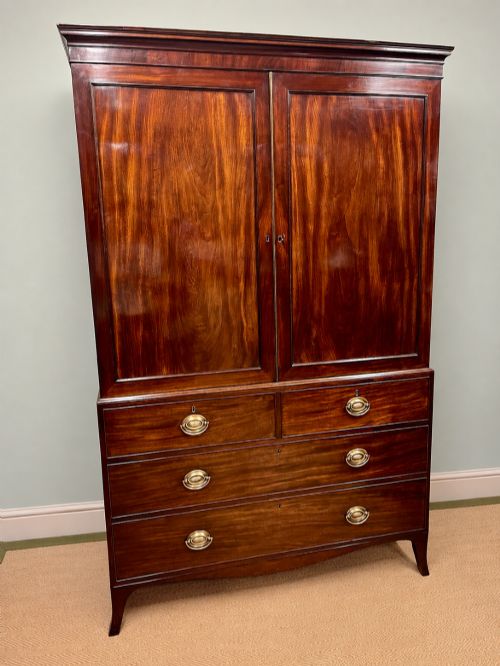
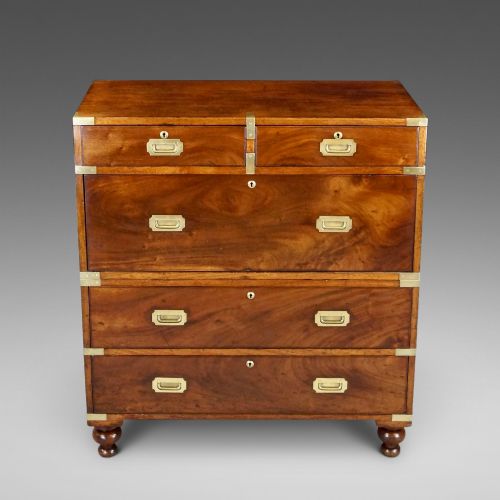
The form includes chests of drawers, linen presses, and cabinets on chests, showcasing styles from Queen Anne and Georgian to campaign and Regency. Each section fits securely upon the base, often secured by brass brackets or internal catches.
These items serve as striking bedroom or hallway furniture, providing deep drawer space or linen storage while displaying rich cabinet-making traditions. The duality of the construction remains the defining characteristic of this group.
How they were made
Cabinet-makers utilised solid timbers and choice veneers, applying flame mahogany and rosewood crossbanding to the primary surfaces while using pine or oak for secondary framing. Brass hardware, including drop handles, escutcheons, and carrying brackets, was fitted flush or securely fastened to withstand travel.
Drawer construction relied on hand-cut dovetails and oak linings, ensuring durability through decades of daily use. Cabinets and presses were built with panelled doors and internal sliding trays or shelves behind the upper section.
Periods represented span from the eighteenth century through Regency designs into the early twentieth century.
What varies in quality
The choice of timber grain defines the visual appeal, where selected flame mahogany veneers and figured walnut elevate a piece far above plain surfaces. Crispness in the crossbanding and the retention of original brass hardware mark the distinction between standard items and superior examples.
Proportion and structural integrity dictate the balance of the upper and lower sections when joined together. Clean internal drawer linings and well-preserved timber patination separate finer workshop production from later adaptations.
The Georgian Two Section Chest Glossary
- Crossbanding
- A strip of veneer applied perpendicularly to the grain of the main surface to create a decorative border. This technique frames the drawer fronts and top surfaces.
- Campaign
- Furniture designed in sections with recessed brass fittings for military officers on the move. These pieces prioritise portability and sturdiness.
- Linen press
- A tall storage piece featuring upper doors enclosing sliding trays or shelves above a chest of drawers base. Originally intended for household linens and garments.
- Dovetail
- A traditional interlocking joint used in drawer construction for maximum strength. Hand-cut variations indicate earlier periods of manufacture.
Georgian Two Section Chest: Frequently Asked Questions
Why were these made in two sections?
Dividing the chest horizontally made heavy furniture much easier to transport through narrow staircases and along difficult travel routes. This modular design suited households that moved frequently or required campaign furniture for travel.
Today, this historical practicality simply makes positioning the furniture in modern homes straightforward and manageable.
How do I spot a true period piece?
Examine the timber construction inside the drawers, looking for hand-cut dovetails and secondary woods like oak or pine that match the stated era. The method of veneering and the patination on the hardware offer further clues to age.
Comparing the joinery details against known stylistic periods helps confirm whether the piece dates to the eighteenth century or a later revival.
What is the difference between a linen press and a chest?
A linen press includes upper cupboard doors enclosing sliding trays or shelves, sitting above a lower chest of drawers base. A standard chest of drawers consists solely of stacked drawers from top to bottom.
Both forms utilise the two-section construction method to ease movement and assembly.
How do I care for antique mahogany and walnut?
Keep wooden surfaces away from direct sunlight and heat sources to prevent the veneers from drying out and lifting. Regular dusting with a soft, dry cloth preserves the natural lustre of the polish.
Applying a traditional beeswax occasionally helps nourish the timber without building up heavy residue.