

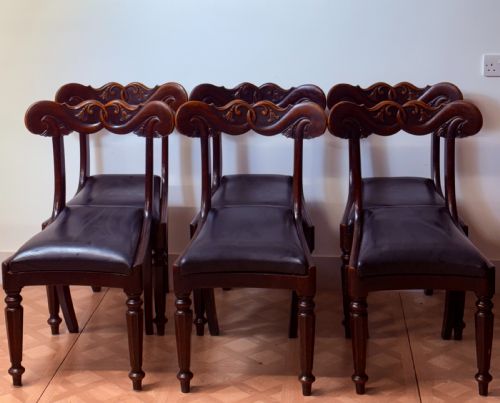
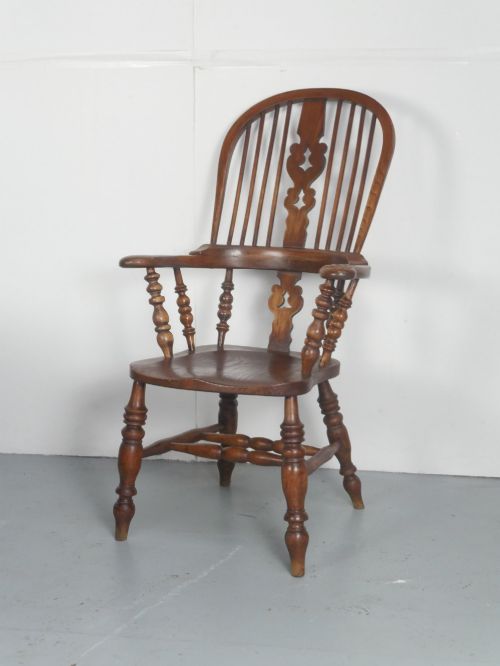
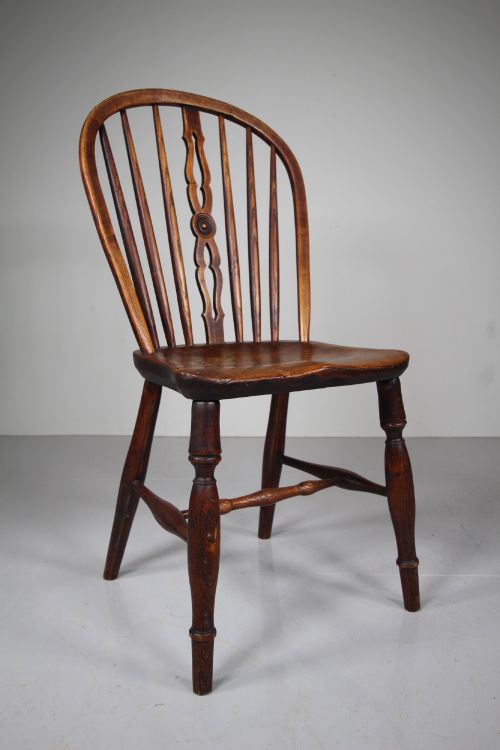
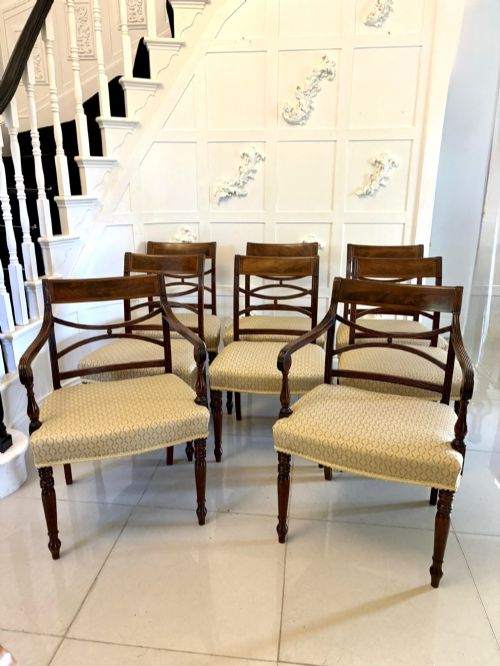
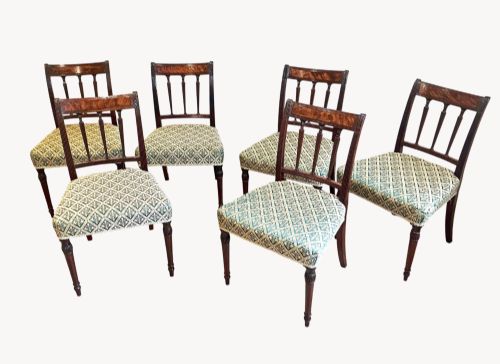
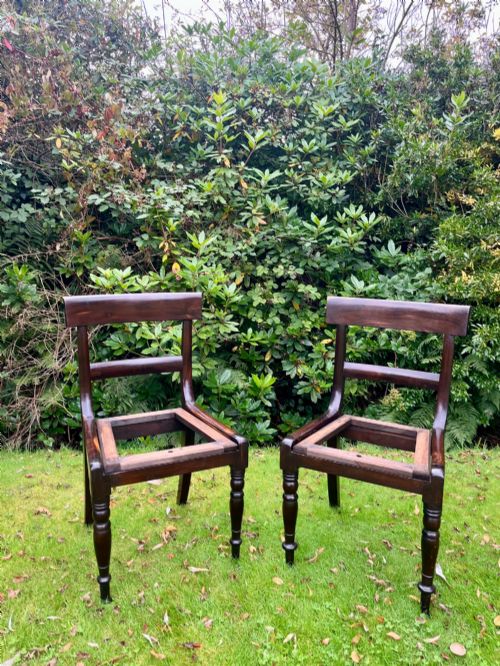
Georgian Turned Wood Chair
A georgian turned wood chair brings vernacular warmth and sturdy joinery into a room, offering tactile connection to centuries of domestic craft.
Georgian Turned Wood Chair
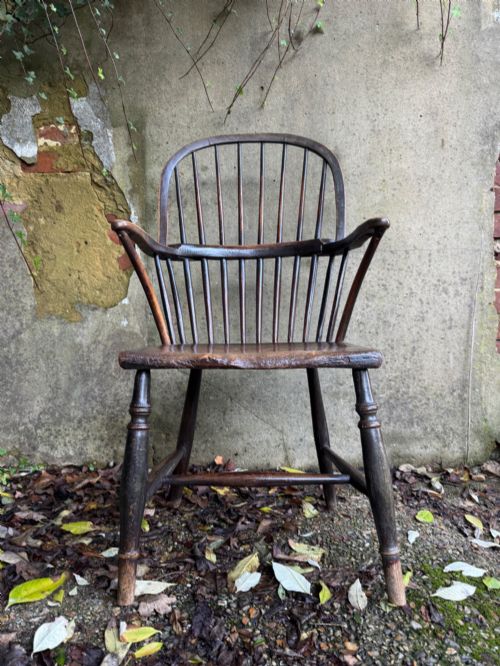
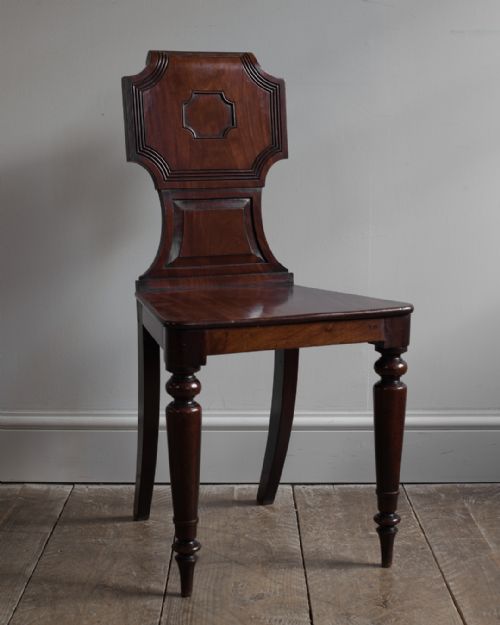
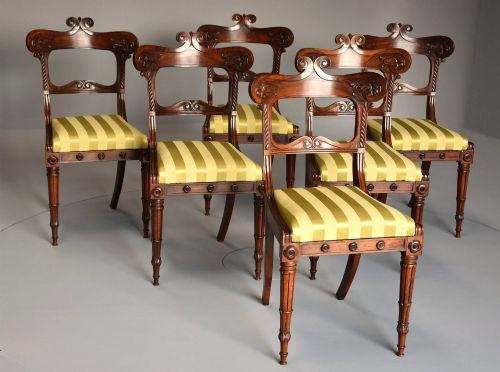
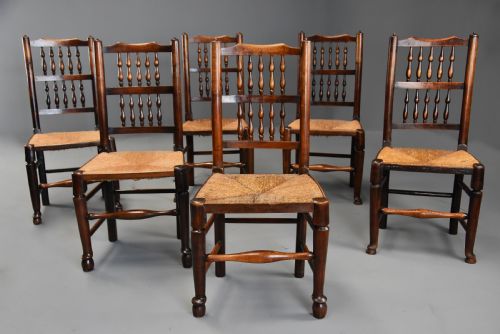
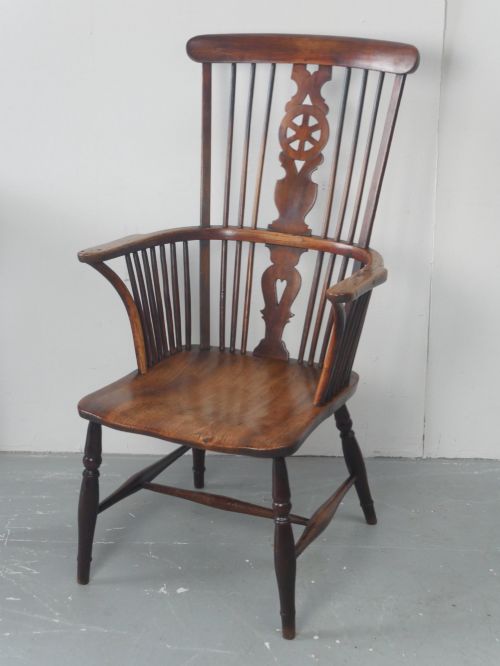
Makers of these functional seats drew on regional traditions across England and Scotland, producing sturdy dining chairs and rocking chairs intended for rigorous daily service. Elm, ash, and yew predominate, reflecting the local woods available to rural turners and joiners.
Surviving examples span the eighteenth and nineteenth centuries, demonstrating how regional turnery evolved from utilitarian kitchen seating into cherished collector pieces. The inventory on this page bridges formal dining rooms and rustic farmhouse interiors without pretense.
How they were made
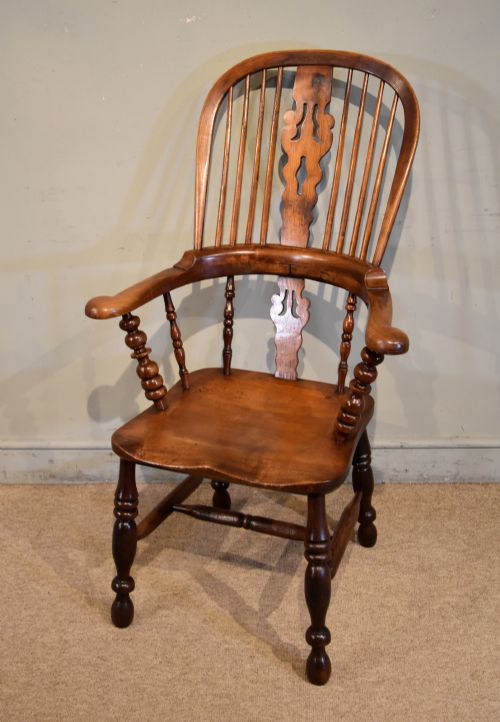
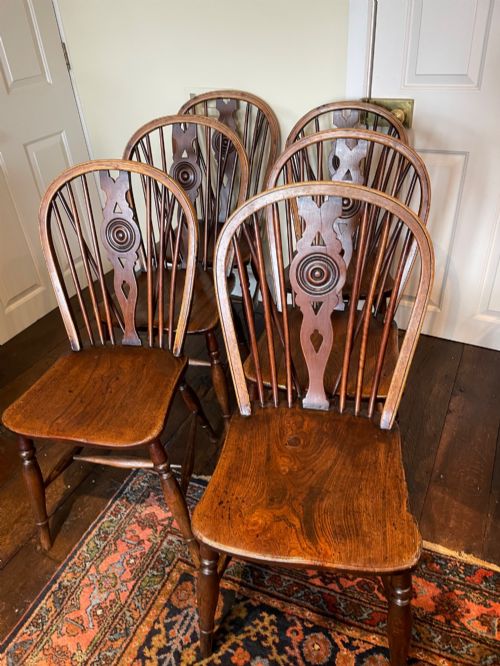
Craftsmen utilised green wood techniques, turning spindle components on pole lathes while the timber remained pliable for optimal shrinkage and joint tightness. Seats were typically carved from solid elm planks, shaped into thick saddles to receive the tenons of the turned legs and back posts.
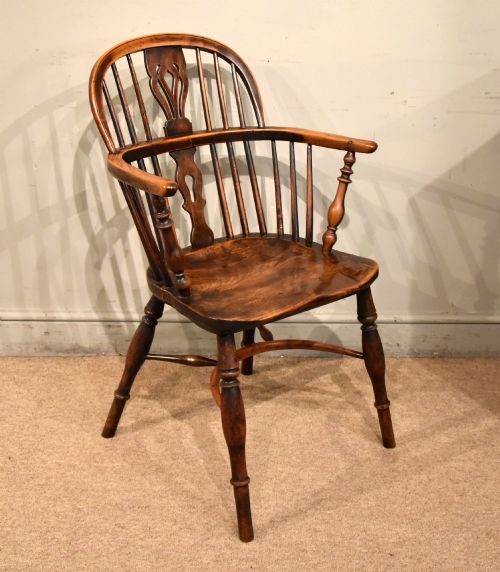
Combinations of ash and elm provided structural resilience, using flexible ash for bentwood bows and rigid elm for seats and arm rests. Yew wood frequently appeared in finer Windsor chairs, valued for its rich grain and natural oil content.
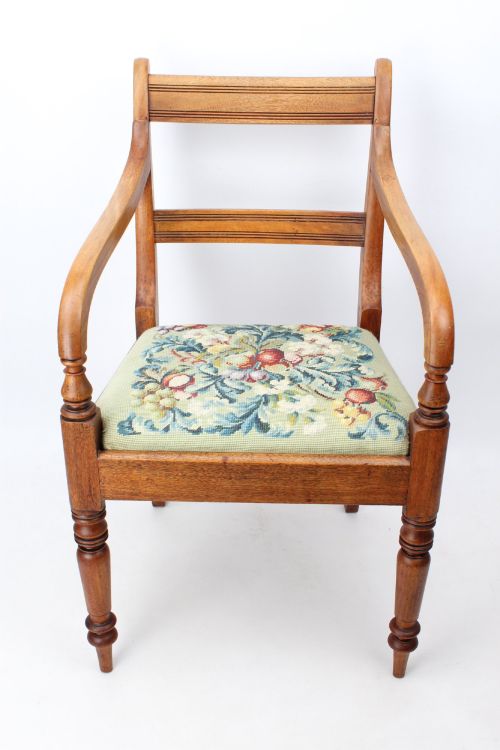
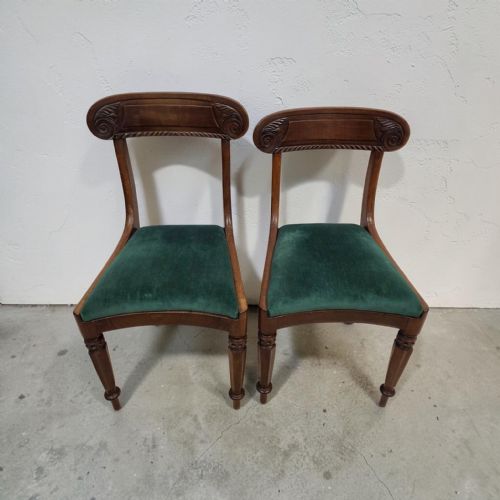
Rush seating and wooden saddle seats offered durable surfaces before the introduction of upholstered fabric inserts. Pegged joinery and crinoline stretchers reinforced the undercarriages against the stresses of constant movement.
Georgian Turned Wood Chair Retail Price Guide 2026
Typical asking prices for georgian turned wood chair among the pieces listed under this phrase on Sellingantiques today, from the lower quarter to the upper quarter. They describe what is for sale here now, not the wider market.
Current listings demonstrate a strong presence of elm, ash, and yew timbers utilised across eighteenth and nineteenth-century English country furniture.
What varies in quality
Quality rests in the harmony of timber selection and the crispness of the turned components, distinguishing workshop bench work from hurried mass production. A well-proportioned Windsor chair displays balanced spindle spacing and generous saddle shaping that honours the material.
Surface integrity dictates value, with untouched patinas and original painted finishes holding greater interest than stripped or overly restored timbers. The retention of original stretchers, wedged joints, and matching wood species across a set elevates the piece significantly.
Gillows·Rockley Maker
The Georgian Turned Wood Chair Glossary
- Windsor chair
- A wooden chair constructed with a solid sculpted seat into which the legs and back spindles are separately socketed. This form developed deep regional variations across the British countryside.
- Crinoline stretcher
- An arched undercarriage stretcher connecting the legs of a chair and providing lateral stability. It takes its name from the hooped skirts popular during the Victorian era.
- Spindle back
- A chair back composed of multiple thin, turned wooden rods set between a top rail and the seat. These vertical members distribute weight while maintaining a light profile.
- Vernacular furniture
- Domestic objects made by local tradesmen using regional materials and traditional methods rather than adhering to high-style metropolitan fashions. These pieces prioritize utility and local resourcefulness.
- Turned wood
- Timber shaped by rotation against a cutting tool on a lathe, producing cylindrical and baluster forms. This technique created the structural legs and vertical posts of country seating.
Georgian Turned Wood Chair: Frequently Asked Questions
What is a Windsor chair?
A Windsor chair is a form built around a solid wooden seat, into which turned legs and back spindles are fitted directly. This construction method creates a durable, unified frame without needing a traditional box undercarriage.
Originating in rural workshops, these chairs evolved into various regional styles featuring hoop backs, low backs, and broad arms designed for domestic comfort.
How do I care for antique wood?
Protect antique wood by placing chairs away from direct heat sources and sudden humidity shifts that can cause timber to split. Regular dusting with a soft, dry cloth preserves the finish without requiring heavy polishes.
Applying occasional natural wax feeds the dry grain and maintains the historical patina built up over generations of use.
Are these chairs comfortable?
Country seating was engineered for daily domestic tasks, incorporating ergonomically dished wooden seats that offer surprising support. Deep saddle shapes and angled back spindles accommodate natural postures during long periods of sitting.
Adding loose cushions to rush seats or wooden benches provides extra padding while keeping the historic structure intact.
How do I date a turned chair?
Dating relies on examining tool marks, timber combinations, and the specific turning profiles characteristic of particular decades. Eighteenth-century examples often display simpler joinery and specific regional timbers like laburnum or heavy ash.
Later nineteenth-century pieces frequently show finer mechanical turning and standardised components produced as rural workshops modernized their methods.