



Georgian Turned Candlesticks
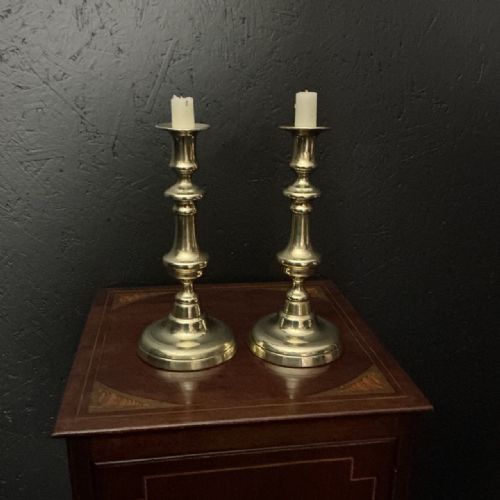
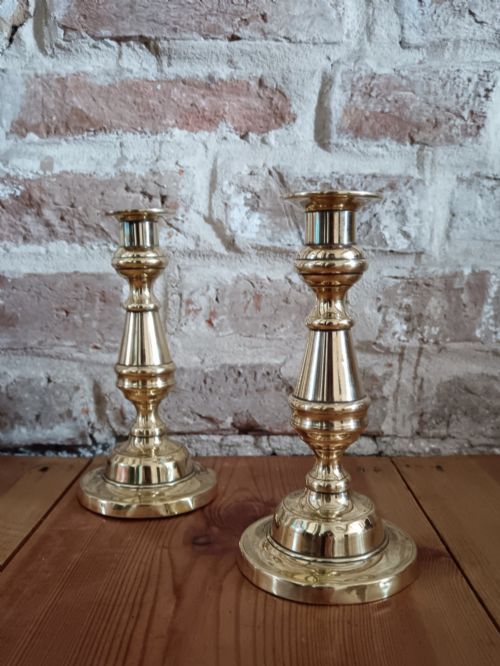
Georgian turned candlesticks are substantial domestic lighting pieces in brass and timber that bring genuine period weight to a mantelpiece or side table.
Georgian Turned Candlesticks
When you search for georgian turned candlesticks, you are looking at functional domestic lighting accessories originating primarily from the eighteenth and nineteenth centuries. These pieces encompass both authentic period items and later nineteenth-century interpretations built in classical styles.
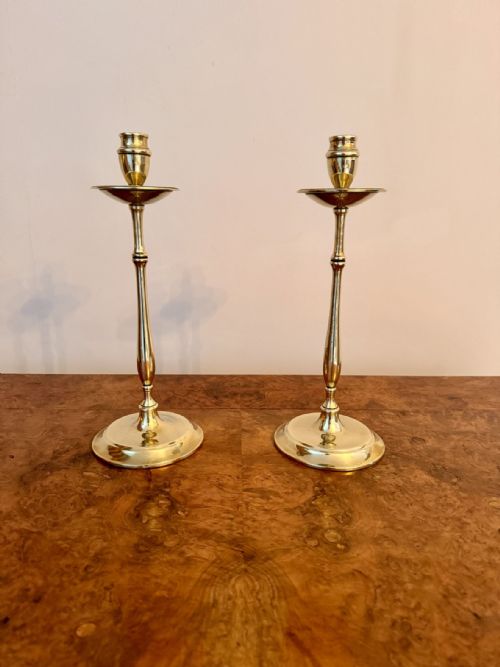
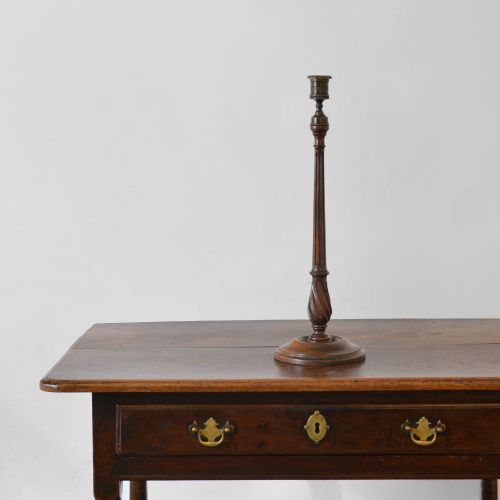
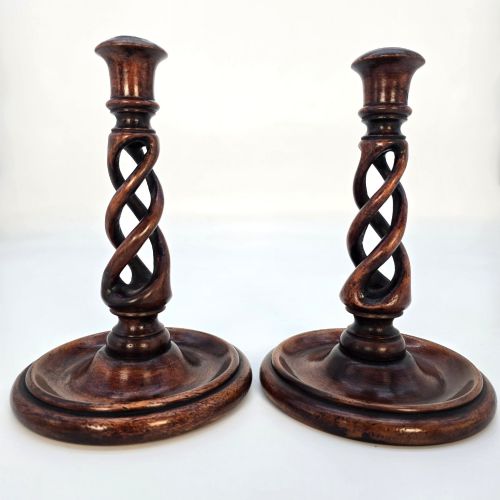
Forms range from slender stems to vase-shaped columns and open twists, reflecting the changing aesthetic preferences from the Georgian era through to the Edwardian period.
How they were made
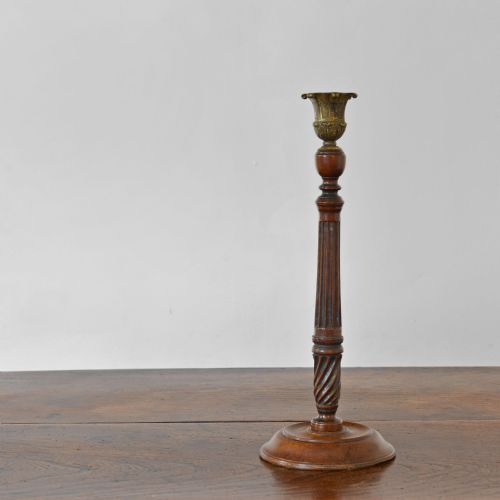
Makers utilised the lathe to turn timber and brass components, creating smooth cylindrical shafts, vase shapes, and spiral twists. Woodturners selected dense timbers like mahogany, fruitwood, and lignum vitae to ensure the shafts remained stable and weighty.
Brass examples were cast in sections using traditional foundry methods before being turned on a lathe to refine the profiles and join the sockets, stems, and bases together. Some timber pieces incorporated cast brass sconces and collars to protect the wood from dripping wax.
Georgian Turned Candlesticks Retail Price Guide 2026
Typical asking prices for georgian turned candlesticks among the pieces listed under this phrase on Sellingantiques today, from the lower quarter to the upper quarter. They describe what is for sale here now, not the wider market.
Materials span traditional brass and diverse woods, including mahogany, fruitwood, olive wood, and lignum vitae.
What varies in quality
The distinction between ordinary and superior examples lies in the precision of the turning and the substance of the materials. Heavier brass castings and dense, well-figured timbers command greater respect because they maintain stability and display crisper mouldings.
Proportion and balance dictate the visual success of a turned candlestick, with finer pieces exhibiting harmonious transitions between the base, column, and drip pan. Untidy joins, replaced components, or mismatched pairs diminish the integrity of the object.
The Georgian Turned Candlesticks Glossary
- Ejector
- A concealed internal mechanism operated by a small side lever designed to push the spent candle stump out of the socket. This practical device became common on nineteenth-century brass candlesticks.
- Treen
- Small domestic wooden objects created by turning on a lathe. Collectors prize early treen for its tactile surfaces and rich patination developed through decades of handling.
- Sconces
- The metal cup fitted at the top of a candlestick to hold the candle and catch melting wax. In many wooden candlesticks, brass sconces were added for durability and safety.
- Open twist
- A decorative spiral carved into the stem of a wooden candlestick, showing a continuous hollow space through the centre of the twist. This demanding technique requires steady hand-carving and turning skills.
Georgian Turned Candlesticks: Frequently Asked Questions
Are these candlesticks safe to use with modern candles?
Most antique brass and wooden candlesticks accommodate standard modern taper candles securely, though slight variations in socket diameters can occur due to hand-turning. Using a small amount of beeswax or a proprietary adapter ensures a steady fit without damaging the original interior.
Care should be taken to extinguish candles before the flame reaches the metal sconce or wooden rim to prevent scorching or heat damage to the historic material.
How do I distinguish brass ejector candlesticks from standard ones?
Ejector candlesticks feature a small sliding button or thumbpiece on the column that connects to an internal disc inside the socket. Pushing this lever upward lifts the remaining candle stub clear for easy removal.
Standard candlesticks lack this mechanism and require the use of a wick trimmer or gentle tapping to dislodge stubborn wax remnants from the base of the socket.
What is the difference between mahogany and fruitwood candlesticks?
Mahogany offers a dense, stable timber with a dark reddish-brown hue that accepts a fine polished finish, often associated with formal Georgian and Adam style interiors. Fruitwood presents a lighter, warmer tone with distinct grain patterns, commonly utilised for country-made or vernacular turned items.
Both woods respond well to traditional wax polishing, which enhances their natural colour over years of domestic care.
How should I clean antique brass candlesticks?
Gentle dusting with a soft, dry cloth is sufficient for routine maintenance to prevent the accumulation of airborne grit on the metal surface. Avoid aggressive chemical metal polishes that strip away the aged patination and soften crisp cast details.
Applying a microcrystalline wax provides a protective barrier against tarnishing while preserving the authentic dark highlights accumulated over generations.